Check out these 29+ creative greenhouse organization ideas that will help you maximize space and keep your plants thriving. From clever storage solutions to smart layout suggestions, there’s something here for every gardener looking to elevate their greenhouse game.
Plant Caddies for Easy Mobility
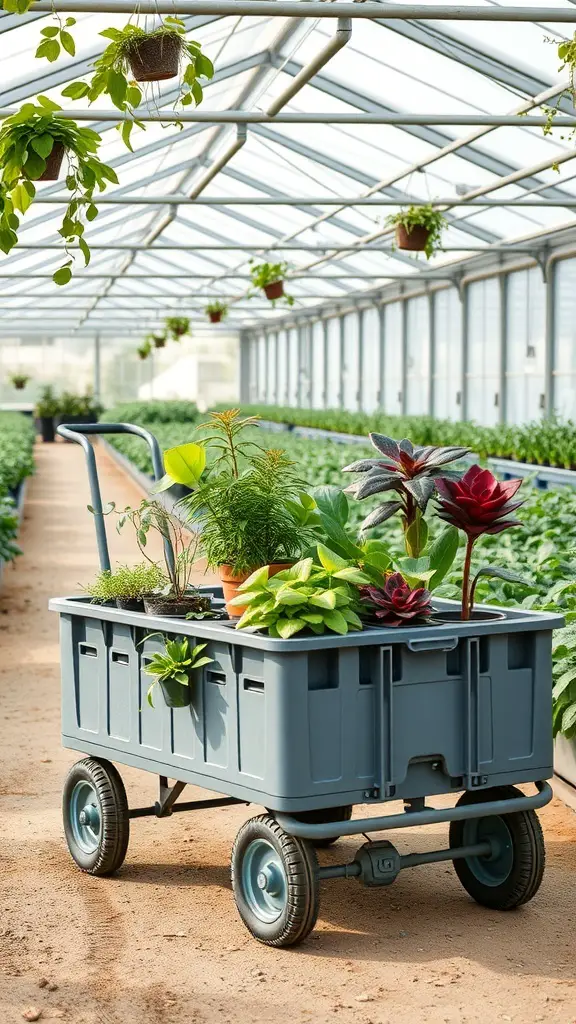
Plant caddies are a fantastic way to make moving your plants around the greenhouse a breeze. Imagine a sturdy cart filled with vibrant greenery, ready to be wheeled wherever you need. This image shows a practical plant caddy, loaded with various plants, showcasing how easy it is to transport them.
Using a plant caddy not only saves your back from heavy lifting but also allows you to rearrange your plants for optimal sunlight and care. You can easily shift pots to different spots in the greenhouse, ensuring each plant gets the attention it needs.
Consider adding wheels to your plant storage solutions. This simple addition can transform your gardening experience. You can create a mobile garden that adapts to your needs, whether it’s for watering, pruning, or simply showing off your beautiful plants.
Vertical Plant Stands for Space Efficiency
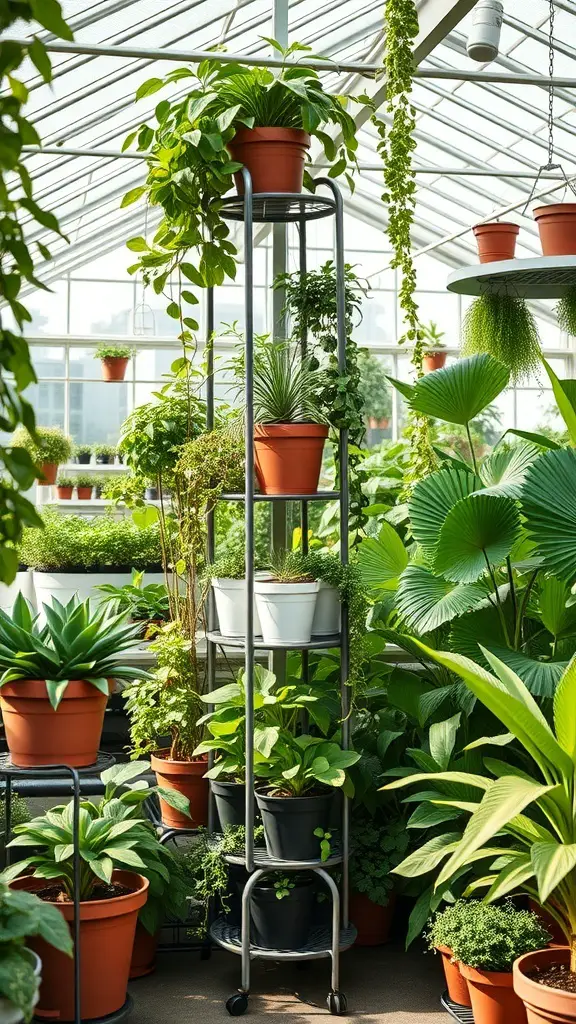
Vertical plant stands are a fantastic way to maximize space in your greenhouse. They allow you to display a variety of plants without taking up too much room. This is especially useful if you have a smaller area to work with.
The image shows a sleek vertical stand filled with vibrant plants in pots. This setup not only looks appealing but also keeps your plants organized and accessible. You can easily water and care for each plant without the hassle of moving them around.
Consider using different types of stands to create visual interest. Mixing materials like metal and wood can add character to your greenhouse. You might also want to arrange plants by height or color for a more dynamic look.
Another idea is to incorporate movable stands. This way, you can rearrange your plants as needed, allowing for better light exposure and airflow. It’s a simple yet effective way to keep your greenhouse thriving.
Storage Solutions for Tools and Supplies

Organizing your greenhouse can be a fun and rewarding task. The image shows a well-arranged space filled with various tools and supplies. Notice how everything has its place, making it easy to find what you need.
One idea is to use shelves to store pots and small containers. This keeps them off the floor and makes them easy to access. You can also hang tools on hooks or a pegboard. This not only saves space but also keeps your tools visible and within reach.
Consider using clear bins for smaller items like seeds and labels. Labeling these bins can save time when you’re in a hurry. You might also want to have a dedicated spot for larger items, like buckets and hoses, to keep the area tidy.
Lastly, don’t forget about vertical space! Hanging plants or using wall-mounted racks can help maximize your storage options. With these ideas, your greenhouse can be both functional and inviting.
Using Shelves for Organized Plant Display
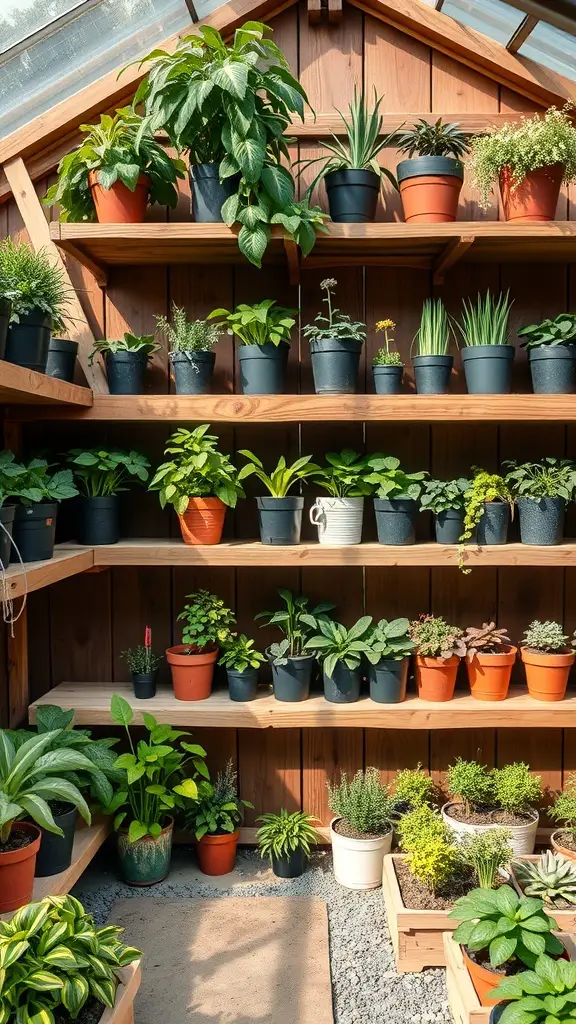
Using shelves in your greenhouse is a smart way to display your plants. The image shows a well-organized setup with various plants on multiple levels. This arrangement not only saves space but also makes it easy to care for your plants.
Consider using different shelf heights to accommodate plants of various sizes. Taller plants can go on the top shelves, while smaller ones fit nicely below. This creates a visually appealing display and ensures that every plant gets enough light.
Grouping plants with similar care needs can simplify your watering and maintenance routine. For instance, keep succulents together and place tropical plants on another shelf. This way, you won’t accidentally overwater or underwater any of your plants.
Adding decorative pots can enhance the look of your greenhouse. Choose pots that complement each other in color and style. This adds a personal touch and makes your plant display more inviting.
Lastly, don’t forget about labeling your plants. Simple tags can help you remember their names and care instructions. This is especially helpful if you have a diverse collection.
Hanging Baskets to Maximize Vertical Space

Hanging baskets are a fantastic way to make the most of your greenhouse’s vertical space. They add color and life without taking up precious floor area. Imagine vibrant flowers cascading down from above, creating a beautiful display that draws the eye.
Consider using a variety of plants in your baskets. Mixing different colors and types can create a stunning visual effect. You can choose trailing plants that spill over the edges or upright varieties that stand tall. This combination can really enhance the overall look of your greenhouse.
Don’t forget about the materials for your hanging baskets. Lightweight options like plastic or fabric can make it easier to hang and rearrange your plants. Plus, they come in various styles to match your greenhouse’s aesthetic.
Lastly, ensure your hanging baskets are easy to water. You might want to use self-watering baskets or set up a drip irrigation system. This way, your plants stay healthy without too much hassle.
Utilizing Clear Containers for Seed Storage
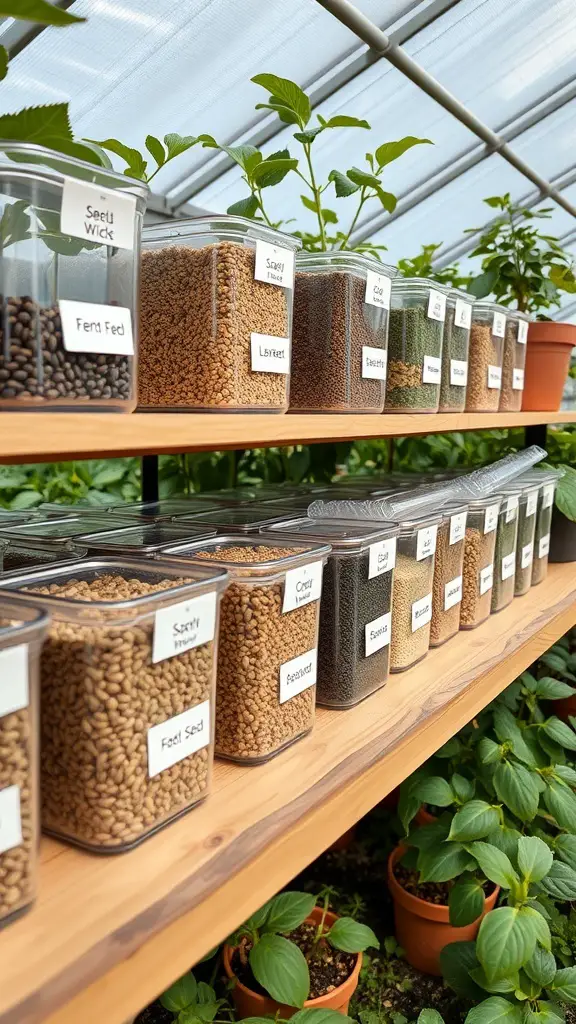
Clear containers are a fantastic way to keep your seeds organized and easily accessible. In the image, you can see a neat row of labeled containers filled with various seeds. Each container is transparent, allowing you to quickly identify the contents without opening them.
Using clear containers not only helps in organizing your seeds but also protects them from moisture and pests. The labels make it easy to find what you need, saving you time when planting season arrives.
Consider grouping seeds by type or planting season. This way, you can streamline your gardening process. Plus, it adds a tidy look to your greenhouse, making it a pleasant space to work in.
Another idea is to use different sizes of containers for various seed types. Smaller seeds can go in smaller containers, while larger seeds can have their own spacious jars. This method maximizes space and keeps everything in order.
Labeling Systems for Easy Plant Identification
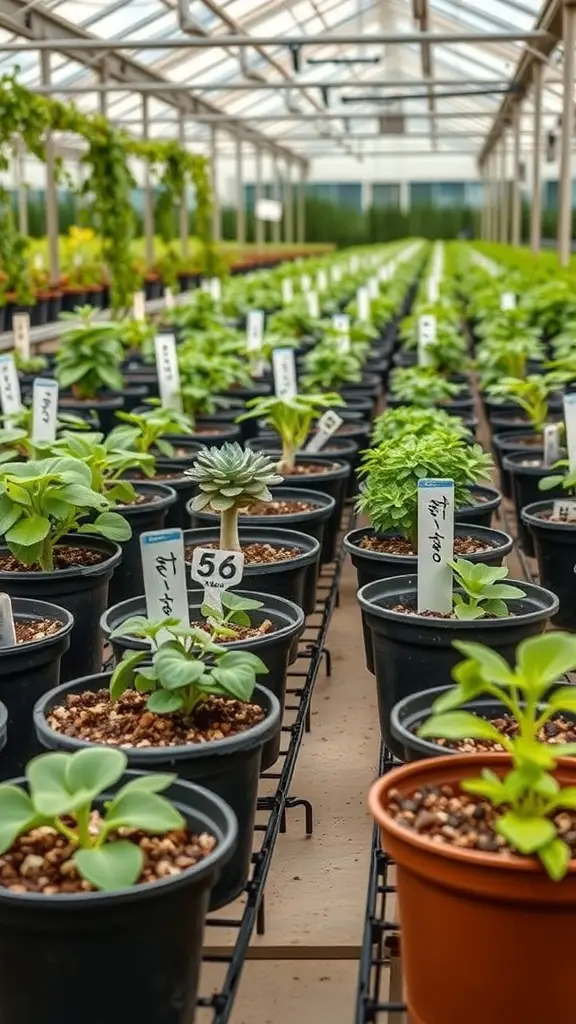
Keeping your greenhouse organized is key to healthy plants and a smooth gardening experience. One effective way to achieve this is through a solid labeling system. Imagine walking through rows of vibrant plants, each clearly marked with its name and care instructions. This not only helps you identify your plants at a glance but also makes it easier to keep track of their needs.
Consider using plant tags that are durable and weather-resistant. You can write the plant name, date of planting, and any specific care tips right on the tag. This way, you won’t forget which plants need extra attention. Another idea is to use color-coded labels for different plant types or care requirements. For example, green tags for low-maintenance plants and red for those that need more care.
For a more tech-savvy approach, think about using QR codes. You can link these codes to a digital database with detailed information about each plant. This can be especially helpful for larger greenhouses where managing a lot of plants can get tricky. You can even include photos and care tips in the database!
Lastly, don’t forget about the aesthetic aspect. Choose labels that match your greenhouse style. Whether you prefer a rustic look with wooden tags or a modern vibe with sleek plastic ones, the right labels can enhance the overall feel of your space.
Repurposed Furniture as Plant Displays
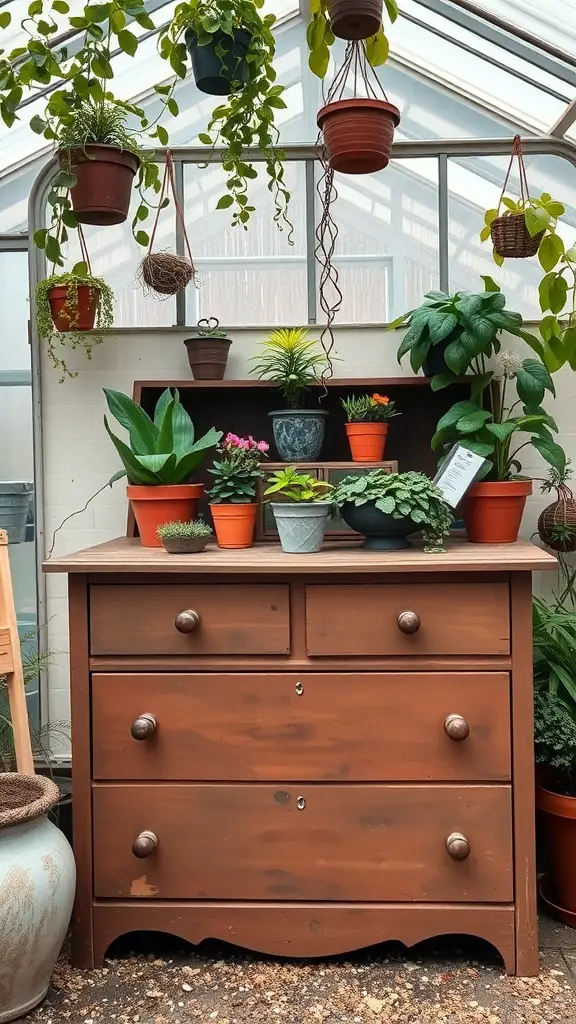
Using repurposed furniture as plant displays is a fun and creative way to showcase your greenery. Imagine an old dresser transformed into a vibrant plant stand. The drawers can hold smaller pots or gardening tools, while the top can be a beautiful display for larger plants.
In the image, you can see a charming wooden dresser that serves as a perfect base for various plants. The combination of hanging plants and potted greenery creates a lively atmosphere. This setup not only saves space but also adds character to your greenhouse.
Consider using items like bookshelves, side tables, or even old crates. Each piece can bring its unique style to your plant display. Mixing different heights and textures makes the arrangement visually appealing.
Don’t shy away from painting or staining the furniture to match your greenhouse vibe. A fresh coat can breathe new life into old pieces, making them stand out even more. Get creative and let your personality shine through your plant displays!
Creating Walkways for Easy Access

Creating walkways in your greenhouse is a smart way to enhance accessibility. The image shows a spacious path lined with vibrant plants, making it easy to navigate. This setup allows you to reach every corner without stepping on your plants.
Consider using materials like gravel or pavers for your walkways. They provide a sturdy surface and can be designed to fit your greenhouse’s style. A clear path not only looks good but also helps with maintenance tasks like watering and pruning.
Don’t forget about width! Ensure your walkways are wide enough for easy movement, especially if you plan to carry tools or supplies. A good rule of thumb is to aim for at least two feet wide. This way, you can easily pass by without bumping into your plants.
Adding some decorative elements along the walkway can also enhance the experience. Think about small pots or garden art that complements your plants. This makes your greenhouse not just functional but also a lovely space to spend time in.
Incorporating a Watering System for Efficiency
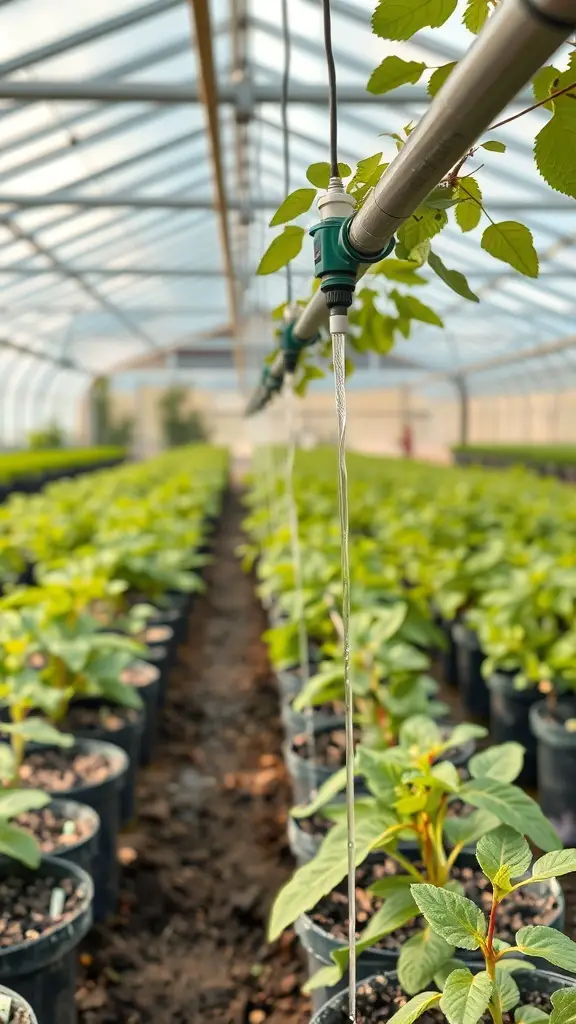
In a greenhouse, having an efficient watering system can make a big difference. The image shows a well-organized setup with plants neatly lined up, receiving water through a drip irrigation system. This method ensures that each plant gets the right amount of water without waste.
Using a watering system like this not only saves time but also helps maintain healthy plants. It allows for consistent moisture levels, which is key for growth. You can easily set timers to automate the watering process, freeing you up for other tasks.
Consider adding sensors that monitor soil moisture. This way, you can adjust the watering schedule based on the plants’ needs. It’s a smart way to keep everything thriving without constant manual checks.
Another idea is to use rainwater collection systems. This eco-friendly option can reduce water costs and provide your plants with natural hydration. Pairing this with your existing system can enhance efficiency even further.
Incorporating Natural Light with Window Placement
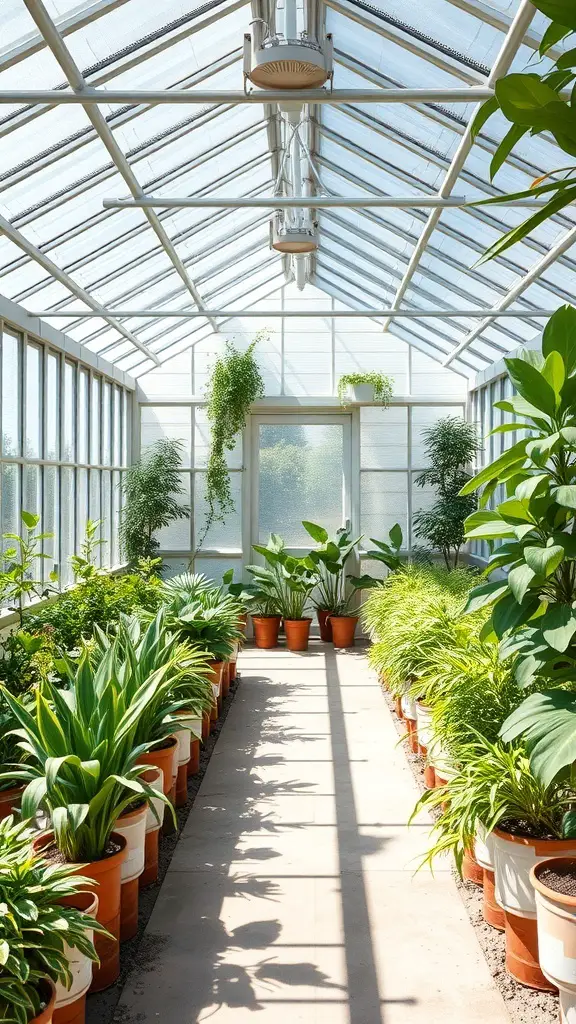
Natural light is a game changer in any greenhouse. The image shows a bright, airy space filled with lush plants, all benefiting from ample sunlight. Proper window placement can make a huge difference in how your plants thrive.
Consider positioning windows to maximize sunlight exposure throughout the day. South-facing windows are ideal as they capture the most light. You might also think about adding skylights for even more brightness. This setup not only helps plants grow but also creates a pleasant environment for you.
Don’t forget about ventilation! Windows can help regulate temperature and humidity. Opening them during warmer days allows fresh air to circulate, which is vital for plant health. You can also use shades or curtains to control light intensity during peak hours.
Lastly, think about the layout of your plants. Taller plants should be placed near the back or sides, while shorter ones can go in front. This arrangement ensures that all your plants get their fair share of sunlight. With the right window placement and plant organization, your greenhouse can become a thriving oasis.
Using Tiers for Multi-Level Plant Arrangement
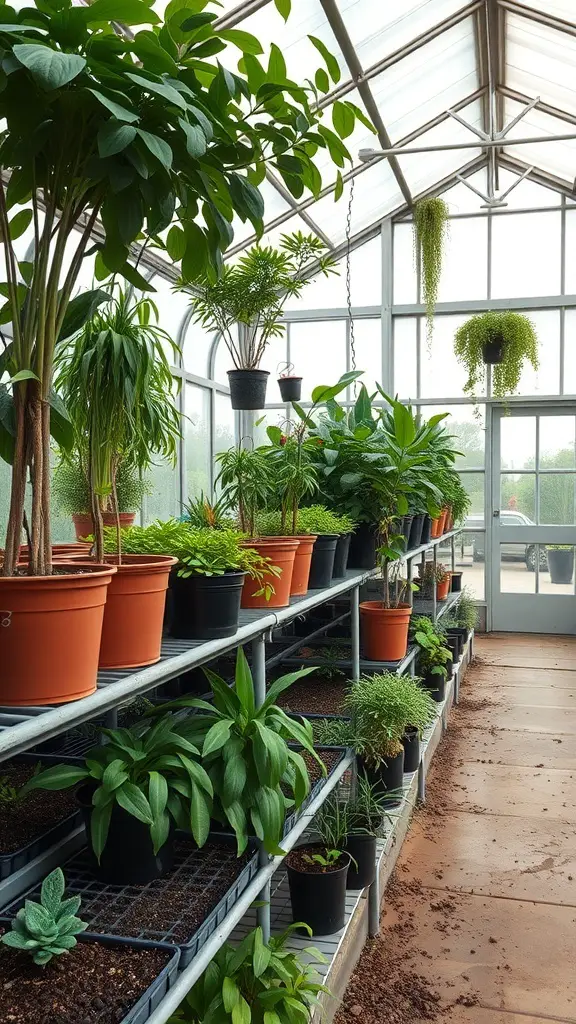
Using tiers in your greenhouse is a smart way to maximize space and create an organized look. The image shows a well-arranged greenhouse with plants placed on multiple levels. This setup not only saves space but also allows each plant to receive adequate light.
Consider using shelving units that can hold various pot sizes. This way, taller plants can be placed on the top shelves, while smaller ones can sit below. It creates a visually appealing display and makes it easier to care for your plants.
Hanging pots are another great idea. They can be suspended from the greenhouse ceiling, adding more greenery without taking up floor space. This method also enhances airflow around your plants, promoting healthy growth.
Grouping plants with similar care needs on the same tier can simplify your watering and maintenance routine. Plus, it makes it easier to spot any issues that may arise.
Lastly, don’t forget to include decorative elements like colorful pots or labels. They can add personality to your greenhouse while helping you keep track of your plants.
Seasonal Rotation Areas for Plant Care
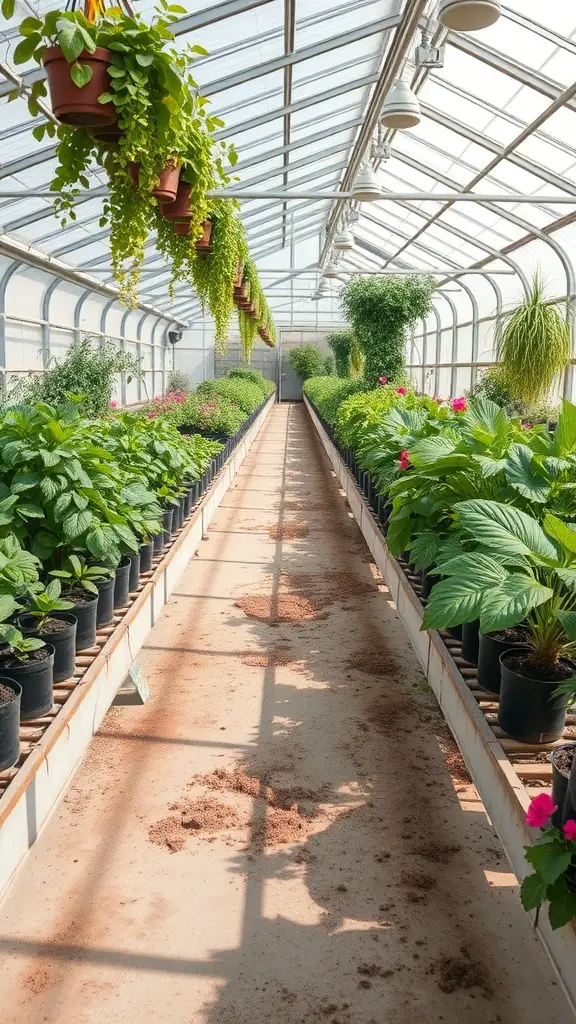
Creating seasonal rotation areas in your greenhouse can make plant care much easier. This image shows a bright and organized greenhouse with rows of potted plants. The layout is designed to maximize space and light, which is essential for healthy growth.
By grouping plants based on their seasonal needs, you can ensure that each type gets the right care at the right time. For example, you might have a section for spring flowers and another for summer veggies. This helps you manage watering and fertilizing more effectively.
Consider using labels or color-coded markers to identify different areas. This way, you can quickly see which plants need attention. Keeping your greenhouse tidy not only looks good but also promotes better plant health.
Incorporating hanging plants, as seen in the image, adds vertical space and can create a beautiful display. Make sure to rotate these plants as seasons change to keep your greenhouse vibrant and productive.
Utilizing Trellises for Climbing Plants
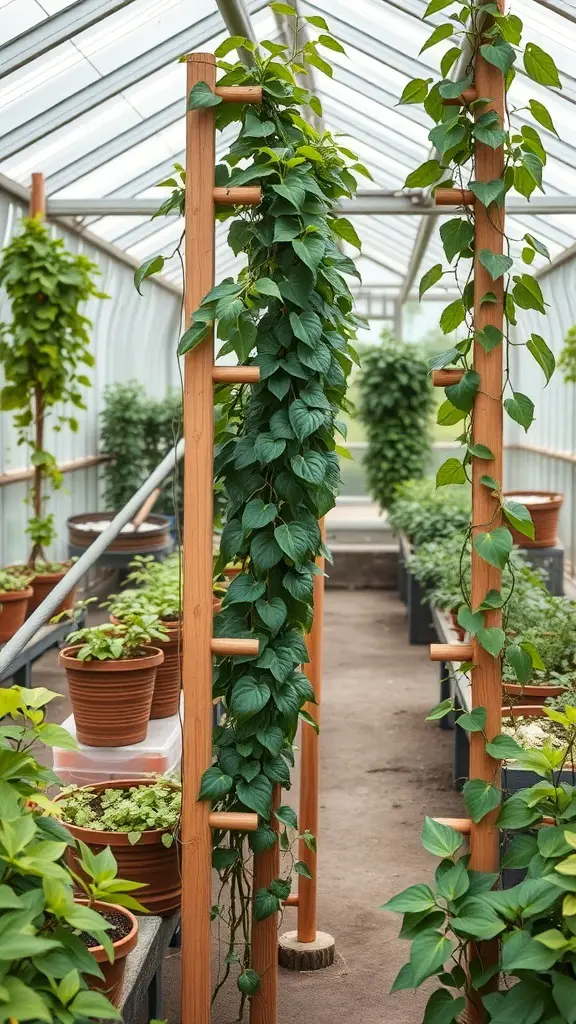
Trellises are a fantastic way to maximize space in your greenhouse. They allow climbing plants to grow vertically, saving precious ground space for other plants. The image showcases a well-organized greenhouse featuring wooden trellises that support lush green vines. This setup not only looks appealing but also promotes healthy plant growth.
Using trellises can help improve air circulation around your plants. This is important for preventing diseases and ensuring that each plant gets enough sunlight. You can choose from various materials for your trellis, such as wood, metal, or even repurposed items. The key is to make sure it’s sturdy enough to support the weight of your climbing plants.
Consider planting varieties like peas, beans, or cucumbers, which thrive when given the right support. As these plants climb, they create a beautiful green wall, adding a touch of nature to your greenhouse. Plus, harvesting becomes easier when plants are elevated.
Incorporating trellises into your greenhouse design is a smart move. Not only do they enhance the aesthetic, but they also contribute to a more efficient growing environment. So, grab some materials and start building your trellises today!
Creating a Potting Station for Convenience

Setting up a potting station in your greenhouse can make gardening much easier. Imagine a dedicated space where you can repot plants, mix soil, and organize your tools. This image shows a cozy potting area filled with various plants and pots, making it a perfect example of how to create your own.
Start by choosing a sturdy table or bench. This will be your main workspace. Keep it at a comfortable height so you can work without straining your back. You can see in the image that the table is surrounded by plants, which adds a nice touch of greenery.
Next, organize your pots and tools. Use shelves or racks to store pots of different sizes. This keeps everything tidy and easy to reach. The image shows a well-organized shelf that holds pots, making it simple to grab what you need.
Don’t forget about storage for soil and gardening tools. A few bins or buckets can help keep everything in one place. The tools in the image are neatly placed, showing how easy it is to access them when needed.
Finally, consider adding some decorative elements. Hanging plants or small decorations can make your potting station feel inviting. A little creativity goes a long way in making your greenhouse a pleasant place to work.