Get inspired with these 27+ inside greenhouse ideas that showcase creative ways to maximize space, enhance your gardening experience, and cultivate your favorite plants. From DIY projects to innovative design tips, this collection is packed with practical and fun suggestions to help you turn your greenhouse into a thriving green paradise.
Vertical Gardening Systems
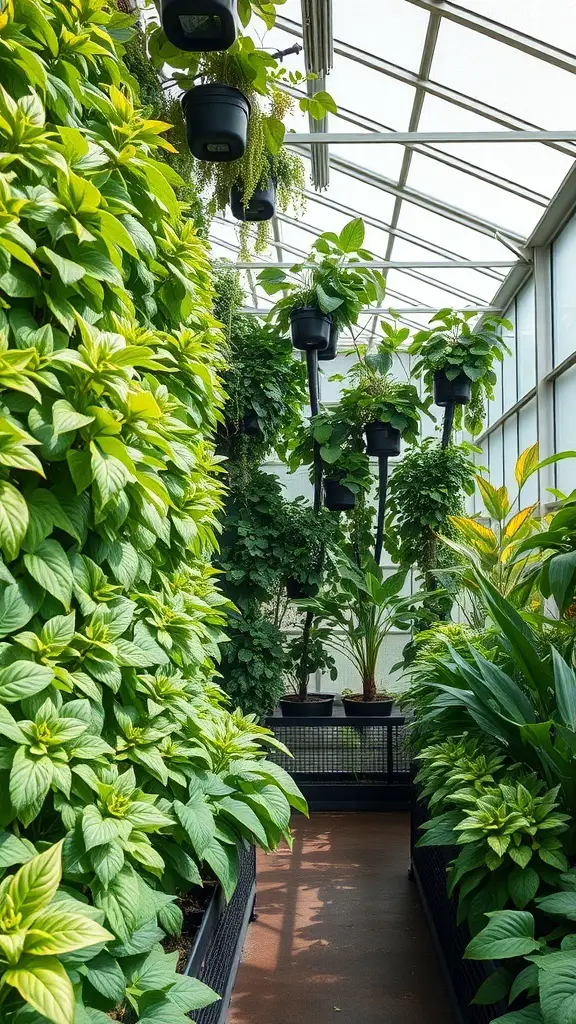
Vertical gardening systems are a fantastic way to maximize space in your greenhouse. This image showcases a lush, green environment where plants are arranged vertically, creating a vibrant display. The hanging pots and wall-mounted greenery not only save floor space but also add a beautiful aesthetic to the greenhouse.
Using vertical systems allows for better air circulation and light exposure for each plant. You can grow a variety of herbs, flowers, and even vegetables in these setups. Imagine having fresh basil or mint right at your fingertips!
Another great aspect of vertical gardening is the ease of maintenance. With plants at eye level, you can easily check for pests or water needs. Plus, it makes harvesting a breeze. Consider incorporating trellises or wall planters to enhance your greenhouse experience.
Rainwater Harvesting Systems
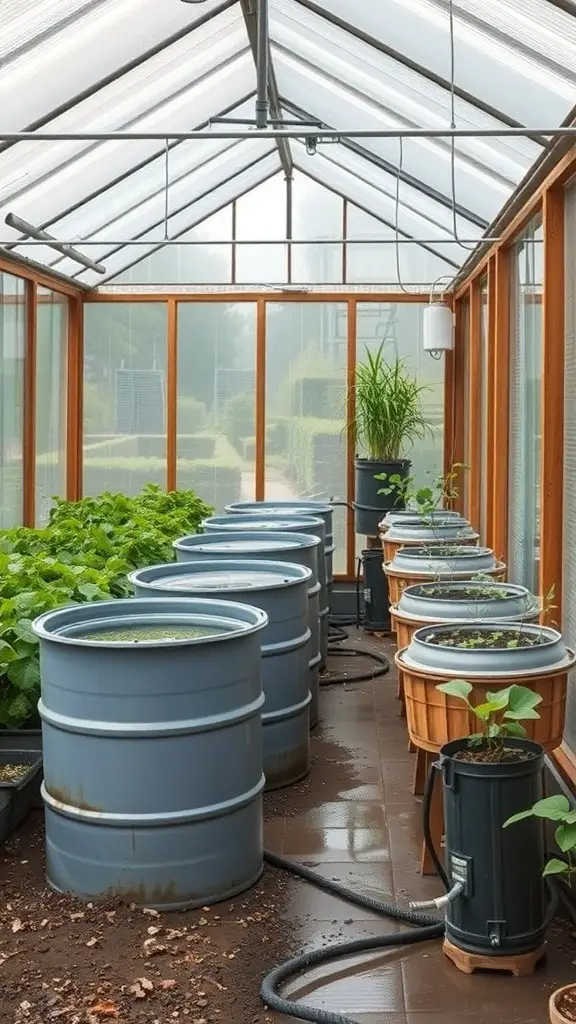
Rainwater harvesting systems are a smart way to collect and use rainwater for your greenhouse. The image shows a well-organized setup with barrels ready to catch rainwater. This method not only conserves water but also provides a sustainable source for your plants.
Using barrels like those in the image, you can easily store rainwater. This water can be used for irrigation, helping to keep your plants healthy and thriving. The setup looks neat and functional, making it a great addition to any greenhouse.
Consider adding a simple filtration system to keep the water clean. This way, you can ensure your plants get the best quality water. It’s a great way to reduce your water bill and make your gardening more eco-friendly.
Natural Lighting Enhancements
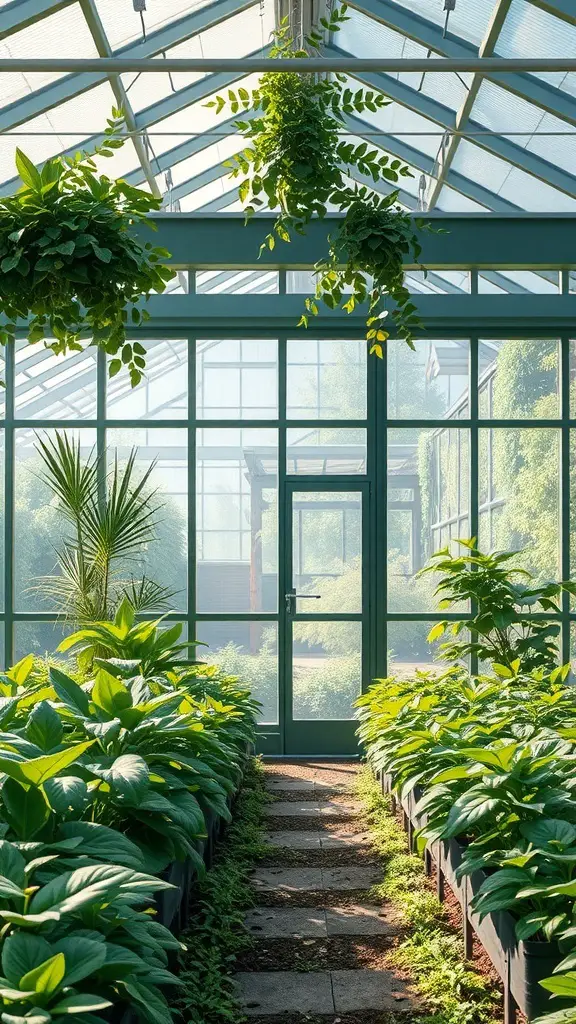
Natural light is a key player in any greenhouse. The image shows a bright, airy space filled with lush greenery. The large glass panels allow sunlight to flood in, creating a warm environment for plants to thrive.
Consider using transparent roofing materials to maximize light exposure. This can help plants grow faster and healthier. Hanging plants can also benefit from this light, as seen in the image.
Another idea is to position your greenhouse strategically. Placing it where it receives the most sunlight throughout the day can make a big difference. Think about the path of the sun when choosing a location.
Adding reflective surfaces can enhance light distribution inside the greenhouse. Mirrors or light-colored walls can bounce sunlight around, reaching plants that might otherwise be in shadow.
Finally, consider using automated shading systems. These can help control light levels, ensuring that plants get just the right amount of sunlight without overheating.
Hydroponic Planting Techniques
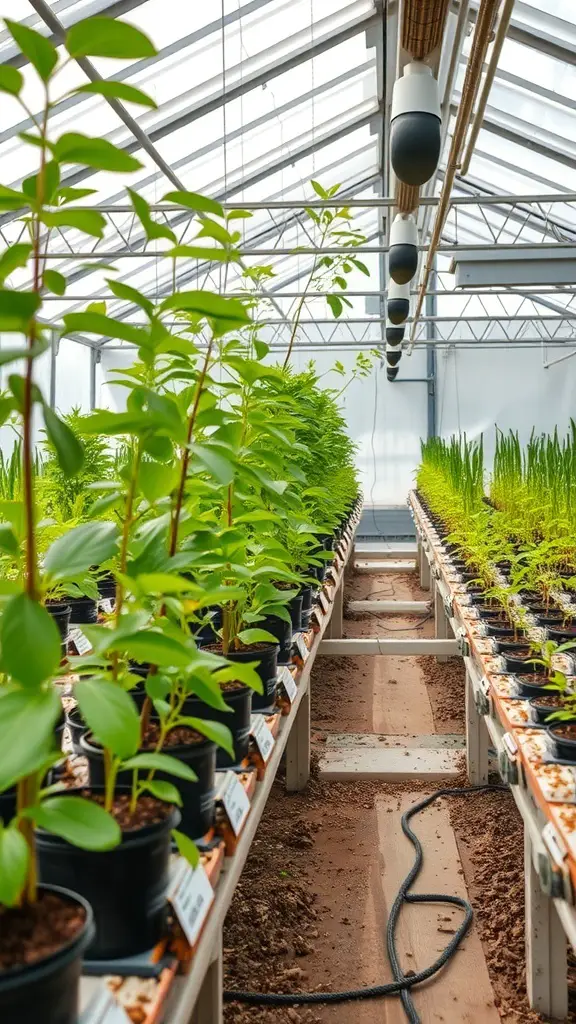
Hydroponic planting is a fantastic way to grow plants without soil. This method uses nutrient-rich water to nourish plants, making it efficient and space-saving. In the image, you can see a well-organized greenhouse filled with vibrant green plants in pots. The setup looks clean and modern, showcasing rows of healthy seedlings ready to thrive.
One popular technique is the nutrient film technique (NFT), where a thin film of nutrient solution flows over the roots. This keeps them moist and allows for maximum oxygen exposure. Another method is deep water culture (DWC), where roots hang in a nutrient solution, ensuring they get all the nutrients they need.
Using hydroponics can lead to faster growth and higher yields. It’s perfect for small spaces, making it a great choice for urban gardeners. If you’re thinking about starting your own hydroponic garden, consider using a simple setup with a few pots and a nutrient solution. You’ll be amazed at how quickly your plants grow!
Climate Control Solutions

In a greenhouse, maintaining the right climate is key for healthy plants. The image shows a climate control system that monitors temperature and humidity levels. This setup helps ensure that plants thrive, regardless of outside conditions.
Using gauges like the ones in the image allows growers to keep an eye on vital stats. For instance, if the temperature rises too high, fans or vents can kick in to cool things down. Similarly, if humidity drops, misters can add moisture back into the air.
Another idea is to incorporate automated systems. These can adjust settings based on real-time data, making it easier to maintain optimal conditions. This means less manual work and more time to enjoy the fruits of your labor!
Lastly, consider using shading materials or reflective surfaces. These can help control light levels, which is just as important as temperature and humidity. By combining these solutions, you can create a climate-controlled environment that supports plant growth all year round.
Succulent Display Ideas
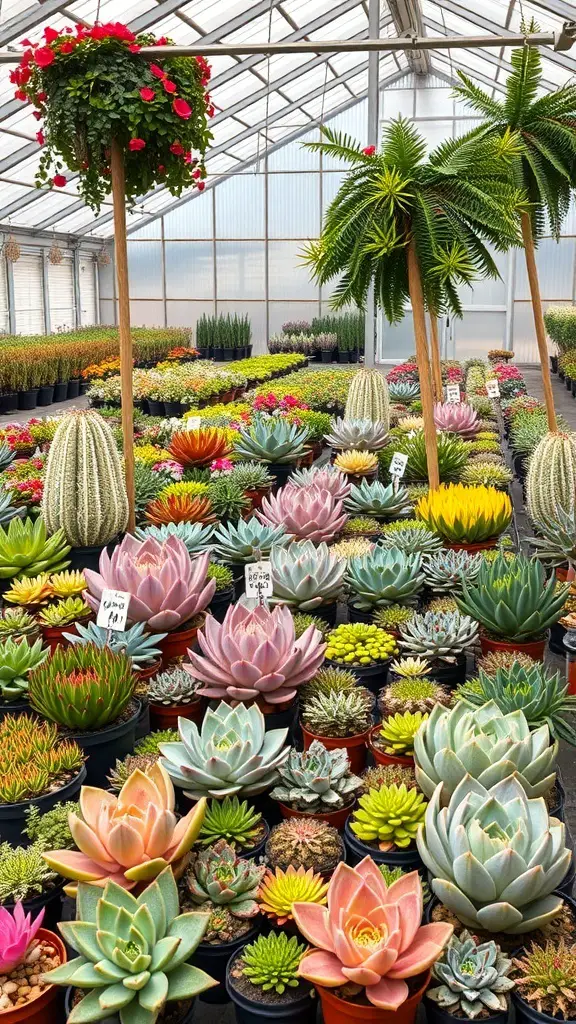
Succulents are a fantastic choice for any greenhouse. They come in various shapes, sizes, and colors, making them visually appealing. You can create stunning displays by grouping different types together. For instance, mix vibrant Echeveria with unique Haworthia to create a colorful arrangement.
Consider using varying heights for your succulent displays. Tall plants like Aloe can stand next to shorter varieties, adding depth to your arrangement. Hanging planters with trailing succulents can also add a playful touch to your greenhouse.
Don’t forget about the pots! Using terracotta or decorative ceramic pots can enhance the overall look. You can even paint pots in bright colors to match the succulents. Labeling each plant with cute tags can add a personal touch.
Creating themed sections can be fun too. For example, a desert theme with cacti and sandy-colored pots can transport you to a different environment. Alternatively, a tropical theme with vibrant colors and lush greenery can brighten up your space.
DIY Greenhouse Kits
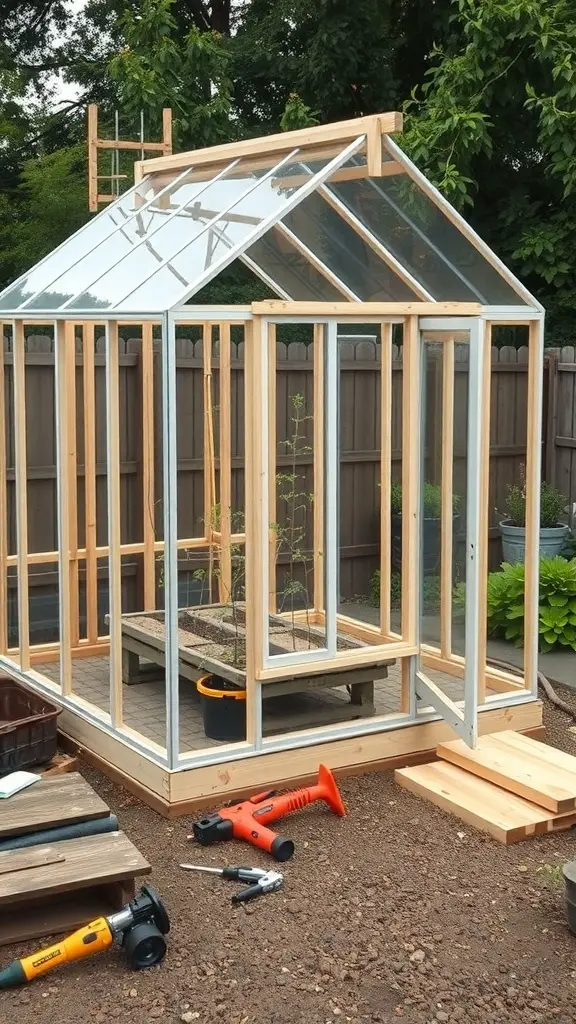
Building your own greenhouse can be a rewarding project. The image shows a charming greenhouse in progress, made with wooden frames and glass panels. This setup allows plenty of sunlight to reach the plants inside, creating a perfect environment for growth.
DIY greenhouse kits are a great way to start. They often come with all the materials you need, making the process easier. You can choose from various designs, depending on your space and style preferences. Some kits even include shelves for organizing your plants.
Consider the size of your garden and how much sunlight it gets. A well-placed greenhouse can extend your growing season and protect your plants from harsh weather. Plus, it adds a lovely touch to your outdoor space.
Once your greenhouse is up, you can experiment with different plants. Herbs, vegetables, and flowers all thrive in this controlled environment. It’s a fun way to get your hands dirty and enjoy gardening year-round.
Compost Bins for Sustainability

Composting is a fantastic way to recycle kitchen scraps and garden waste. The image shows a simple yet effective compost bin inside a greenhouse. This setup not only helps in reducing waste but also enriches the soil for your plants.
The compost bin is designed to be user-friendly. It’s made from durable materials and has a lid to keep pests out. This makes it easy to add organic waste without worrying about unwanted visitors. The surrounding plants thrive on the nutrients released from the compost, creating a lush environment.
Using a compost bin in your greenhouse is a smart choice. It allows you to manage waste efficiently while promoting sustainability. Plus, it’s a great way to teach kids about recycling and the importance of caring for the environment.
Consider placing your compost bin near your planting area. This makes it convenient to grab compost when you need it. Regularly turning the compost will speed up the decomposition process, giving you rich soil in no time.
Seedling Starter Stations
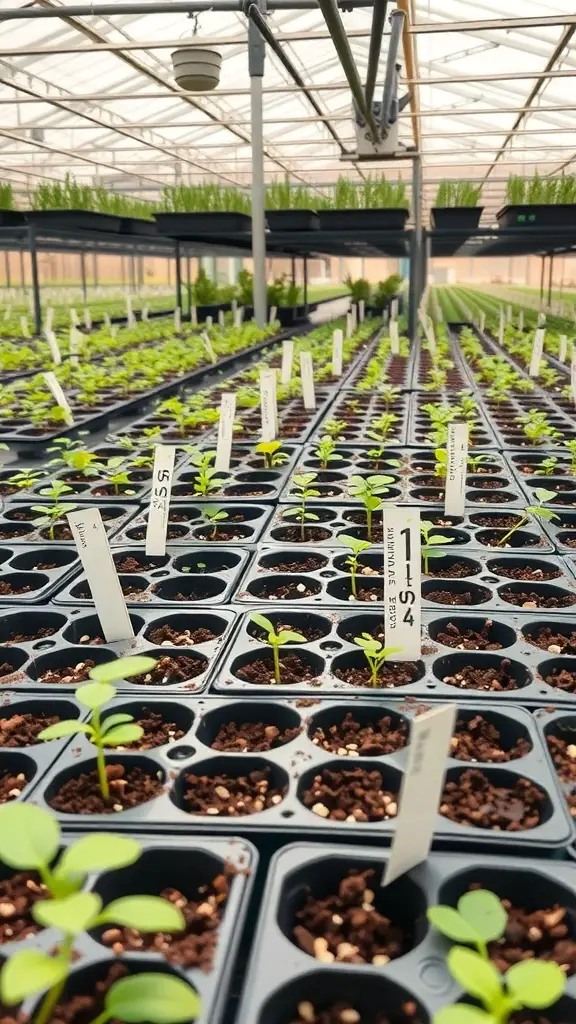
Seedling starter stations are a fantastic way to kick off your gardening journey. They provide a controlled environment for young plants, ensuring they get the right amount of light, moisture, and warmth.
In the image, you can see rows of small seedlings thriving in individual pots. Each pot is labeled, making it easy to keep track of different plant varieties. This setup is perfect for anyone looking to grow their own vegetables or flowers from seeds.
Using a greenhouse for your starter station can help protect seedlings from pests and harsh weather. You can experiment with different plants, learning what works best in your climate.
Consider adding shelves to maximize space and using grow lights if natural sunlight is limited. A heating mat can also be beneficial for germination, giving your seeds a warm start.
Seasonal Plant Rotation
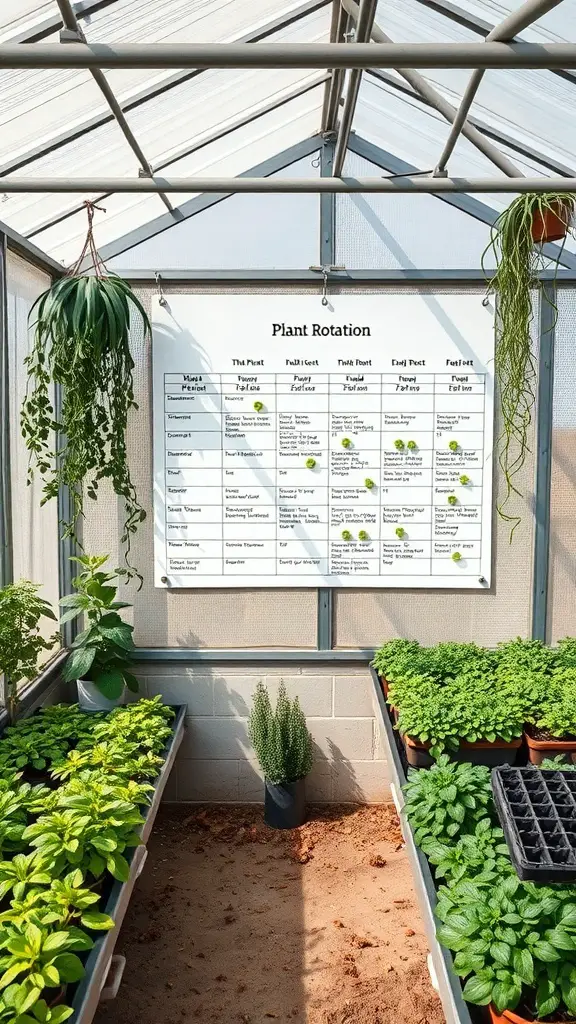
Seasonal plant rotation is a smart way to keep your greenhouse thriving. The image shows a well-organized greenhouse with a clear plant rotation chart. This chart helps you track which plants to grow in each season, ensuring your plants get the best care.
Using a rotation system can improve soil health and reduce pests. For example, after harvesting tomatoes, you might plant beans in the same spot. Beans add nutrients back into the soil, making it ready for the next crop.
In the greenhouse, you can see various plants already in their pots, ready for the next season. This setup makes it easy to switch things up and keep your garden fresh. Don’t forget to check the chart regularly to stay on top of your planting schedule!
Artistic Plant Arrangements
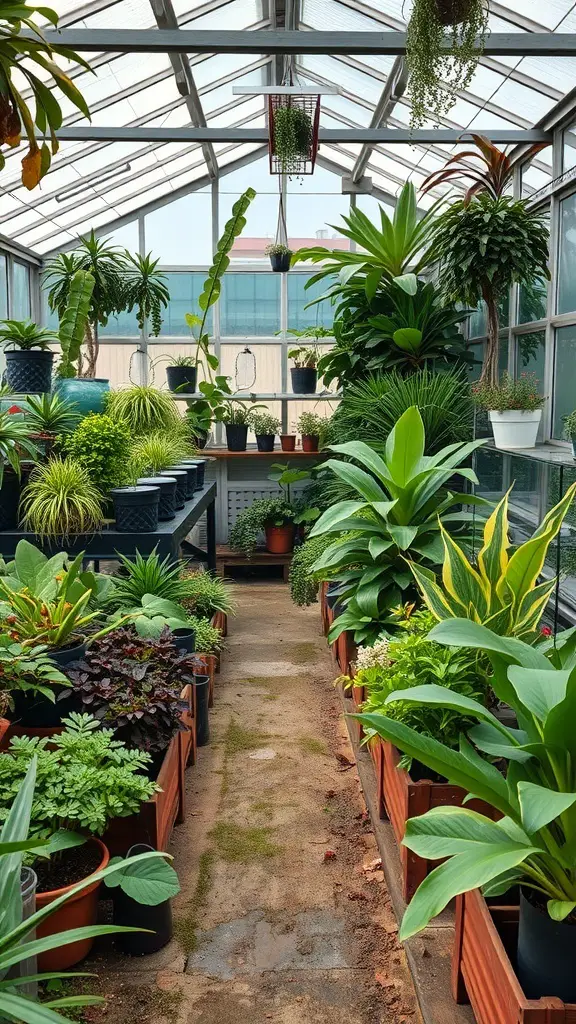
Creating artistic plant arrangements in your greenhouse can truly transform the space. Picture a variety of plants, each with unique shapes and colors, arranged thoughtfully to create a stunning visual effect.
In the image, you can see a beautiful mix of leafy greens and vibrant plants. The different heights and textures add depth to the arrangement. Grouping plants in odd numbers often works well, making the display feel more natural and less staged.
Consider using pots of varying sizes and materials. This adds interest and can highlight specific plants. Hanging plants can also draw the eye upward, making the most of vertical space.
Don’t shy away from mixing different types of plants. Combining succulents with ferns or flowering plants can create a lively and dynamic look. Just be sure to consider their light and water needs to keep them thriving.
Lastly, remember to leave some space for pathways. This not only makes it easier to care for your plants but also invites visitors to explore your green haven.
Pest Control Strategies
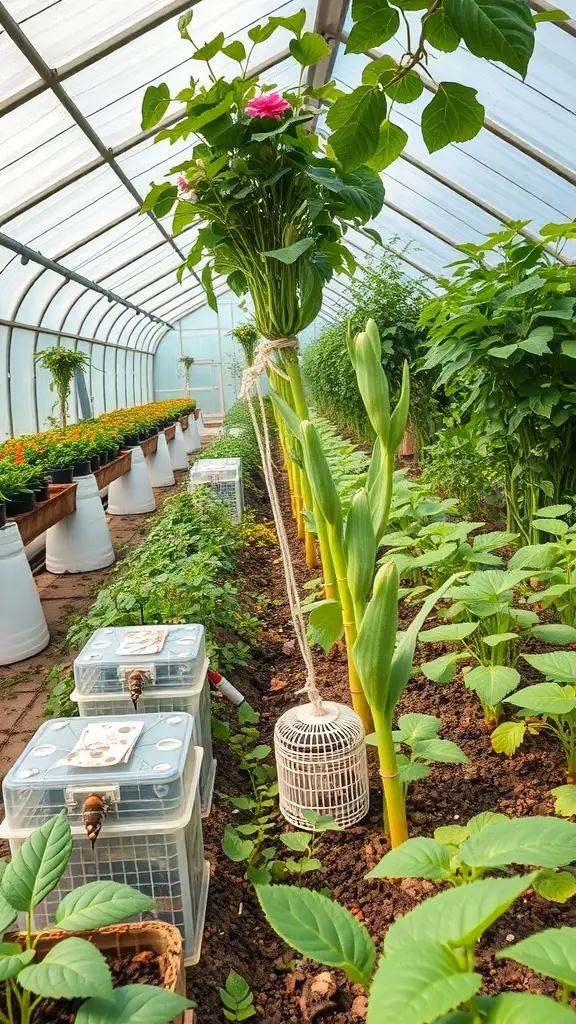
In a greenhouse, keeping plants healthy is key, and pest control plays a big role. The image shows a vibrant greenhouse filled with various plants, showcasing a mix of flowers and vegetables. This setup highlights the importance of maintaining a balanced ecosystem.
One effective strategy is to introduce beneficial insects. Ladybugs and lacewings can help manage aphid populations naturally. You can easily find these insects at garden centers or online.
Another approach is using physical barriers. Floating row covers can protect young plants from pests while allowing sunlight and moisture to reach them. This method is simple and effective.
Regular monitoring is also essential. Check plants frequently for signs of pests or diseases. Early detection can save your plants from severe damage.
Lastly, consider organic sprays. Neem oil and insecticidal soap are great options that can help control pests without harming beneficial insects. Always follow the instructions for safe application.
Aquaponics Integration
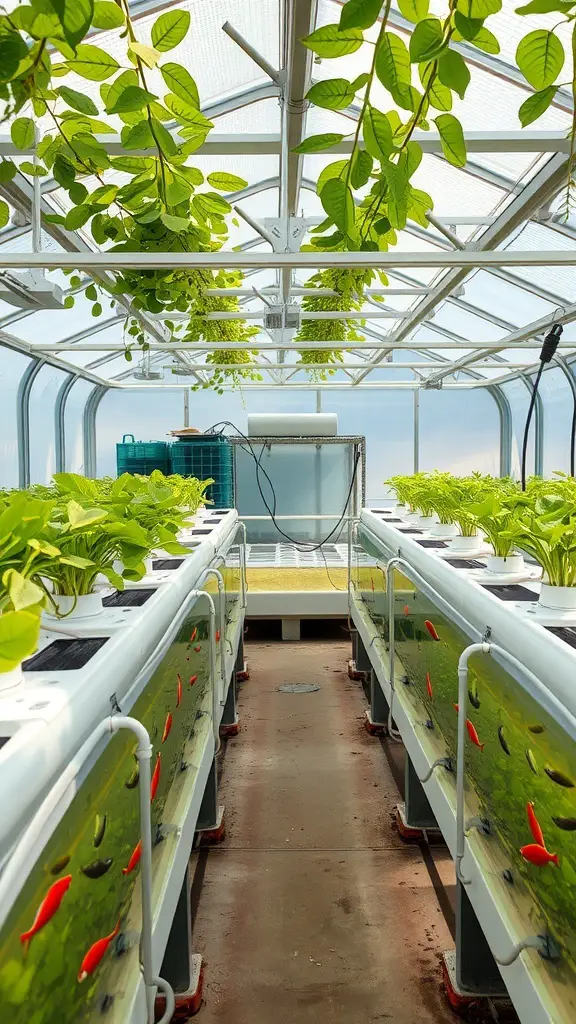
Aquaponics is a fantastic way to combine fish farming with plant cultivation. In the image, you can see a greenhouse designed for this purpose. The setup features rows of plants growing above water tanks filled with fish. This system creates a symbiotic relationship where fish waste provides nutrients for the plants, and the plants help filter the water for the fish.
This method is efficient and sustainable. It uses less water than traditional farming and can produce both fish and vegetables in a compact space. Imagine having fresh greens and fish right from your backyard!
To get started with aquaponics, think about the types of fish and plants you want to grow. Common choices include tilapia or goldfish for the aquatic side, and herbs or leafy greens for the plants. A simple setup can be built using a fish tank, a grow bed for the plants, and a pump to circulate water.
Maintaining the right balance of fish and plants is key. Regular monitoring of water quality will help keep both thriving. With a little patience and care, you can enjoy the benefits of this integrated system.
Herb Garden Nooks
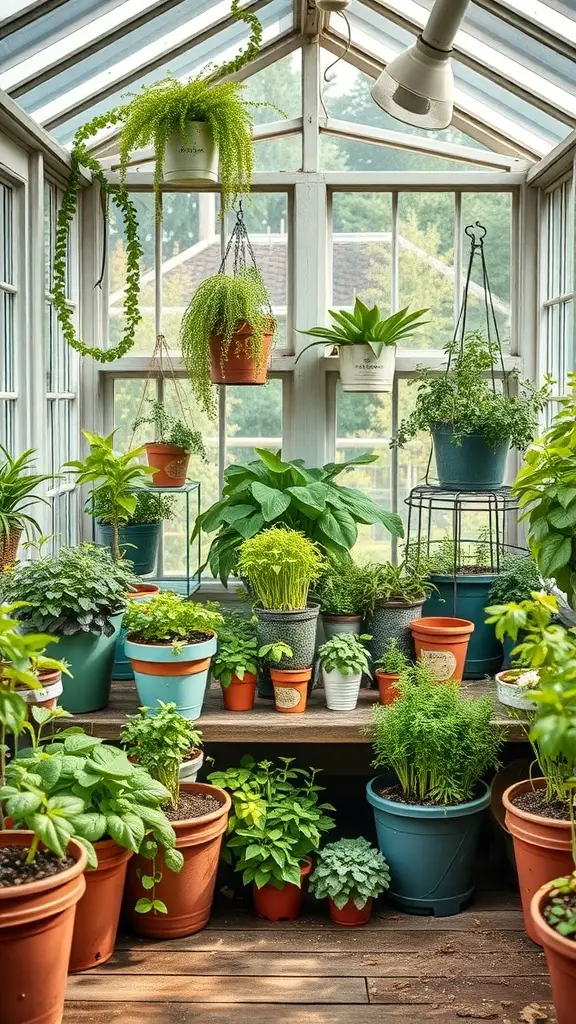
Creating a cozy herb garden nook in your greenhouse can be a delightful way to enjoy fresh flavors right at home. Imagine stepping into a space filled with vibrant greenery and the refreshing scent of herbs. This image shows a lovely arrangement of various herbs in pots, each adding its unique touch to the atmosphere.
Consider using a mix of hanging plants and potted herbs on shelves to maximize space. Herbs like basil, mint, and parsley thrive in these conditions and are perfect for culinary use. You can even add labels to your pots for a charming touch.
Another idea is to incorporate a small seating area within your herb nook. A simple bench or a few stools can create a relaxing spot to enjoy your plants. This can be a great place to unwind with a book or sip on herbal tea made from your own garden.
Don’t forget about lighting! Natural light is essential for herb growth, so ensure your greenhouse has plenty of windows. If you have limited sunlight, consider adding grow lights to keep your herbs happy and healthy.
Indoor Water Features
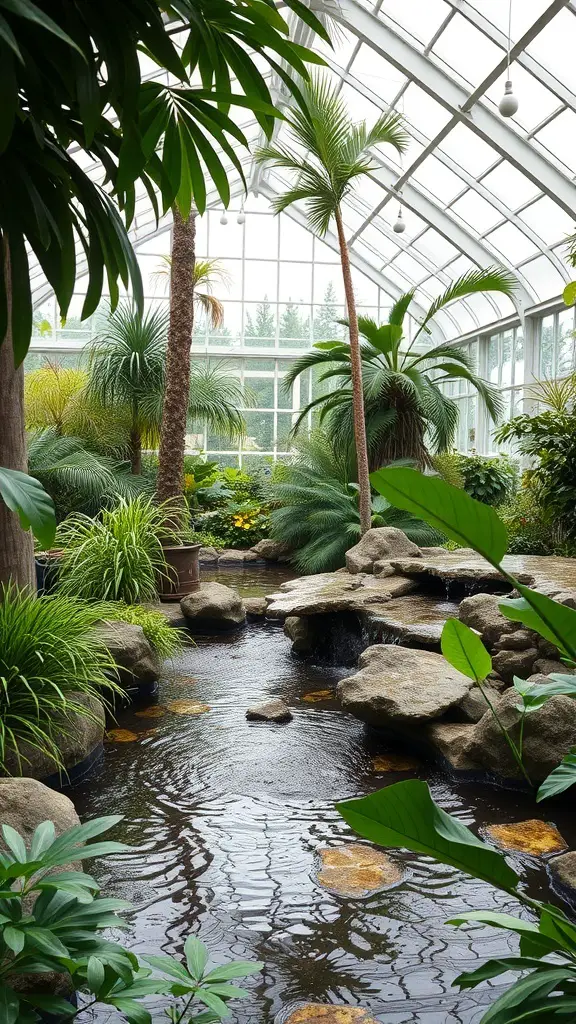
Indoor water features can bring a refreshing vibe to your greenhouse. Imagine a small pond or a gentle stream flowing through your plants. The sound of water can create a peaceful atmosphere, making your indoor space feel like a serene retreat.
Consider adding rocks and pebbles around the water feature. This not only enhances the natural look but also provides a habitat for beneficial insects. You can even incorporate aquatic plants to add color and life to the water.
Lighting is another fun element to play with. Subtle underwater lights can highlight the water and create a magical effect at night. This can transform your greenhouse into a cozy spot for relaxation or gatherings.
Don’t forget about maintenance! Regular cleaning and checking the water levels will keep your feature looking great. With a little effort, your indoor water feature can be a stunning focal point in your greenhouse.