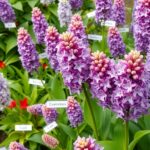
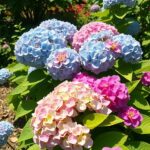
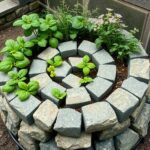
Create your own calming retreat with this collection of over 27 lavender flower garden ideas. Perfect for enhancing any outdoor space, these stunning varieties not only bring bursts of color but also fill the air with soothing scents. Easy to grow and maintain, a lavender garden can be a delightful addition to your home, providing both beauty and relaxation all season long.
Harvesting Lavender Flowers
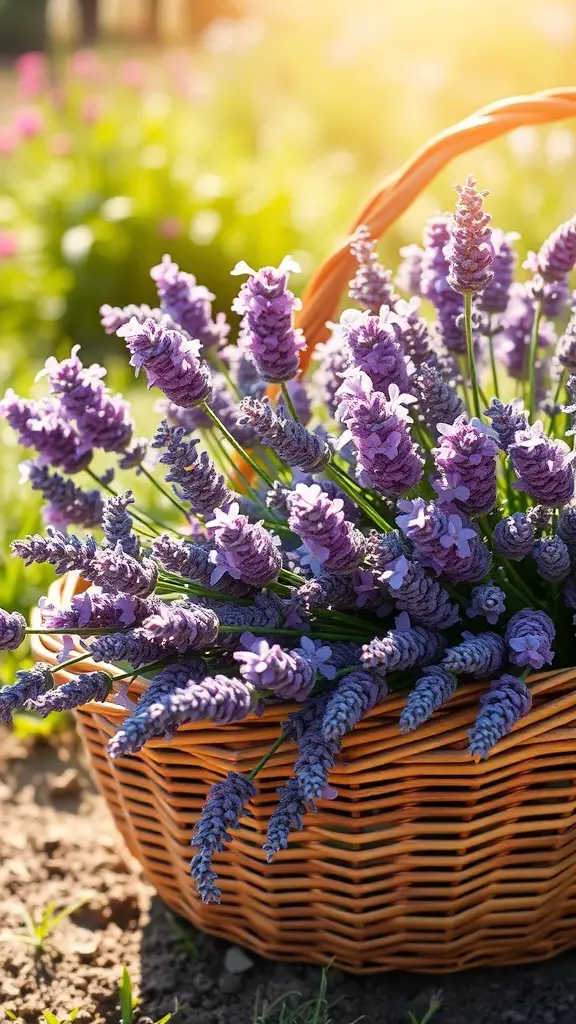
Harvesting lavender is a delightful experience. The sight of a basket brimming with fresh lavender flowers is truly rewarding. The vibrant purple hues and fragrant aroma make the effort worthwhile.
To start, choose a sunny day for harvesting. Early morning or late afternoon is ideal when the oils in the flowers are at their peak. Use sharp scissors or shears to cut the stems just above the leaves. This helps the plant continue to grow and produce more blooms.
Gather the stems in small bundles and tie them with twine. Hang them upside down in a cool, dark place to dry. This method preserves the color and scent of the lavender.
Once dried, you can use the lavender in various ways. It’s perfect for making sachets, potpourri, or even culinary dishes. The possibilities are endless!
Sunlight Needs for Optimal Growth
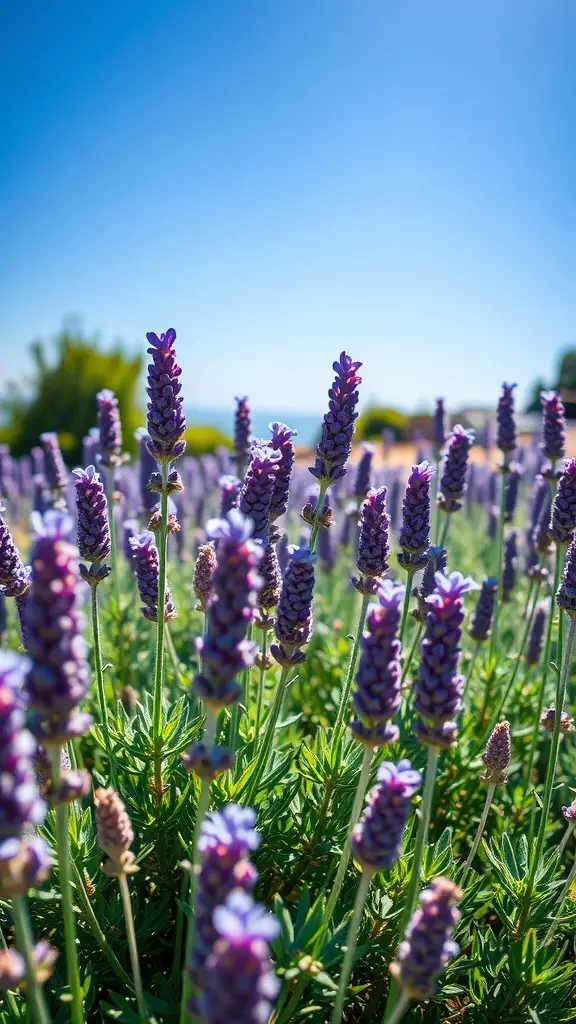
Lavender flowers thrive in bright sunlight. They need at least six hours of direct sunlight each day to grow healthy and strong. This exposure helps them produce those lovely purple blooms we all adore.
When planting lavender, choose a spot that gets plenty of sun. If the area is too shady, the plants may become leggy and produce fewer flowers. A sunny garden corner or a south-facing slope can be perfect for these beauties.
Also, consider the time of year. In spring and summer, when the sun is at its peak, lavender will flourish. Make sure to monitor the sunlight as the seasons change, ensuring your plants get the light they need.
In summary, for a vibrant lavender garden, prioritize sunlight. It’s the key to unlocking their full potential and enjoying a stunning display of flowers.
Watering Techniques for Lavender
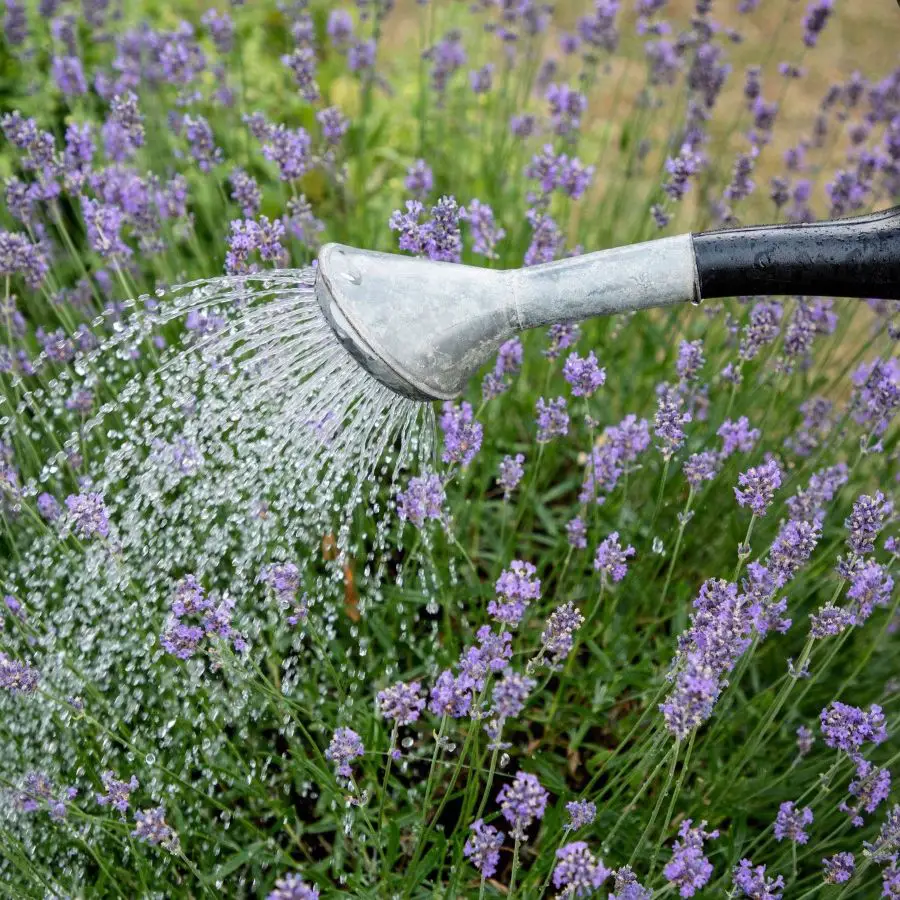
Lavender thrives in well-drained soil and needs careful watering. Overwatering can lead to root rot, so it’s best to keep things simple. Watering deeply but infrequently is key. This encourages the roots to grow deeper, making the plant more resilient.
In the image, you can see a person watering lavender plants with a watering can. This method allows for gentle watering, which is perfect for these delicate flowers. It’s important to water at the base of the plant to avoid wetting the leaves, which can cause fungal issues.
Timing is also important. Early morning or late afternoon is ideal for watering. This helps the plants absorb moisture before the heat of the day. If you’re in a particularly hot climate, consider checking the soil moisture regularly to ensure your lavender is happy.
Creating a Lavender Garden Layout
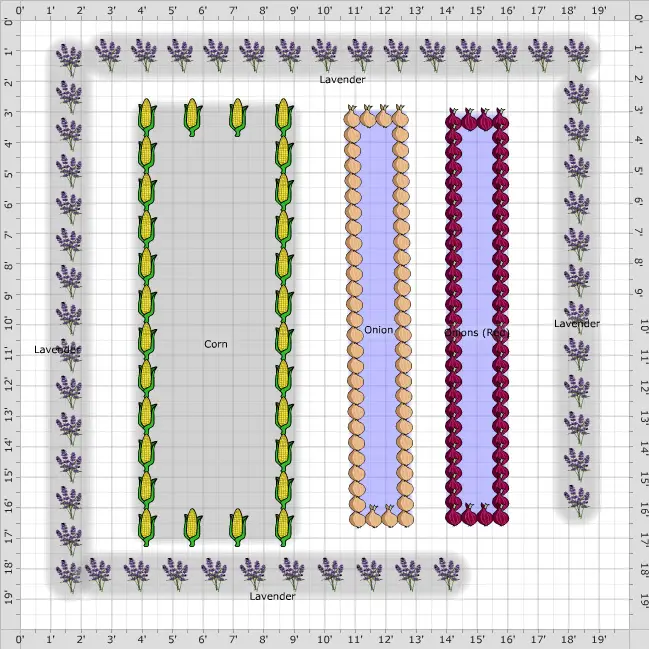
Designing a lavender garden can be a fun and rewarding project. The image shows a beautiful layout plan alongside vibrant lavender flowers. This combination gives a clear idea of how to arrange your garden for maximum beauty and functionality.
Start by considering the space you have. The layout plan highlights different sections, such as pathways and flower beds. Think about how you want to walk through your garden. A winding path can create a sense of exploration.
Next, decide on the types of lavender you want to plant. Some varieties are taller, while others are more compact. Mixing heights can add visual interest. The image shows rows of lush lavender, which can be a great way to create a uniform look.
Don’t forget about sunlight! Lavender loves bright, sunny spots. Make sure your layout allows for plenty of light. You can also think about companion plants that thrive in similar conditions, adding to the overall appeal.
Finally, consider maintenance. A well-planned layout can make it easier to care for your plants. Think about how you will water and prune them. With a little thought, your lavender garden can be both beautiful and practical.
Soil Requirements for Healthy Lavender
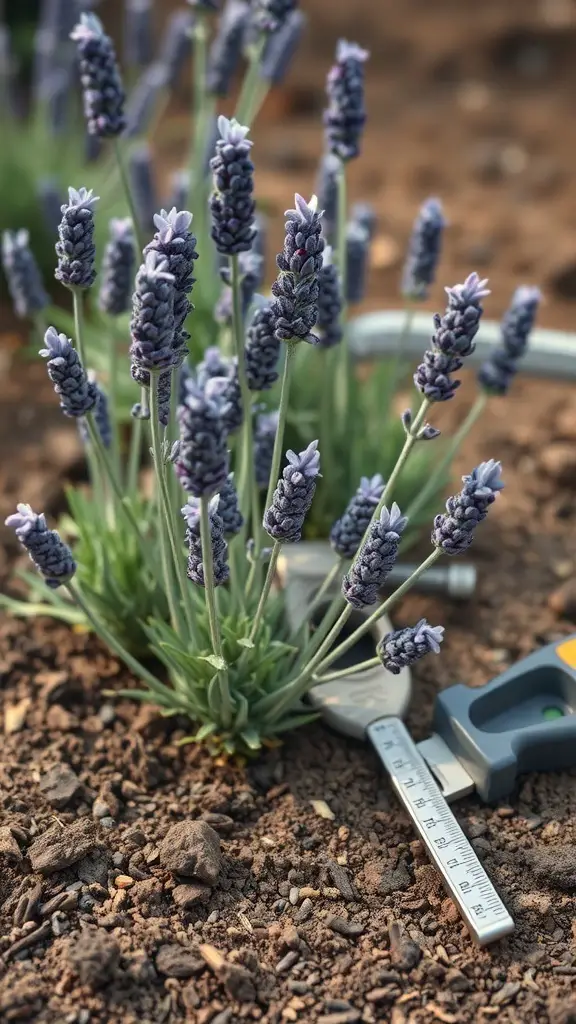
Lavender thrives in well-drained soil. The image shows vibrant lavender flowers growing in soil that looks loose and dry. This is key for preventing root rot, which lavender is sensitive to.
It’s best to aim for sandy or gravelly soil. These types allow water to flow through easily, keeping the roots dry. You can mix in some organic matter to improve soil quality, but avoid heavy compost.
Testing the soil pH is also a good idea. Lavender prefers a slightly alkaline pH, around 6.5 to 7.5. If your soil is too acidic, you can add lime to balance it out.
Lastly, consider the location. Full sun is essential for healthy growth. Make sure your lavender plants get at least six hours of sunlight each day. This will help them flourish and produce those lovely purple blooms.
Pruning Lavender for Better Blooms
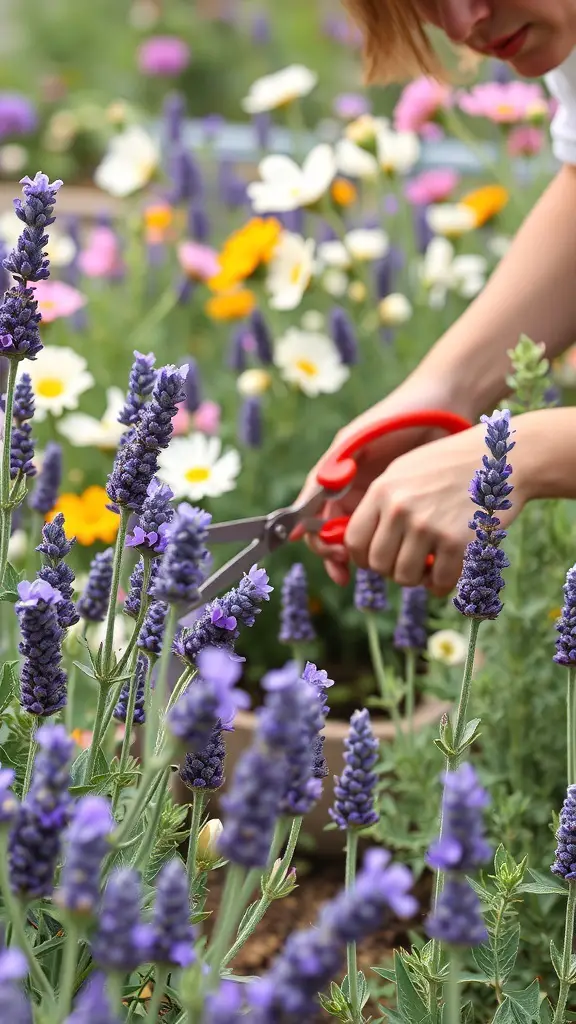
Pruning lavender is a simple yet effective way to encourage healthy growth and vibrant blooms. In the image, you can see someone carefully snipping the lavender flowers. This not only helps the plant but also keeps your garden looking tidy.
When you prune lavender, aim to cut back about one-third of the plant. This helps to promote new growth and can lead to more flowers in the next blooming season. It’s best to do this in early spring, just as new growth begins to show.
Using sharp, clean shears is key. This prevents damage to the plant and helps it heal quickly. As you prune, focus on removing any dead or woody stems. This encourages the plant to put energy into producing fresh blooms.
Don’t forget to enjoy the process! Pruning can be a relaxing activity, and it’s rewarding to see your lavender thrive. Plus, the scent of fresh lavender is a bonus!
Choosing the Right Lavender Varieties
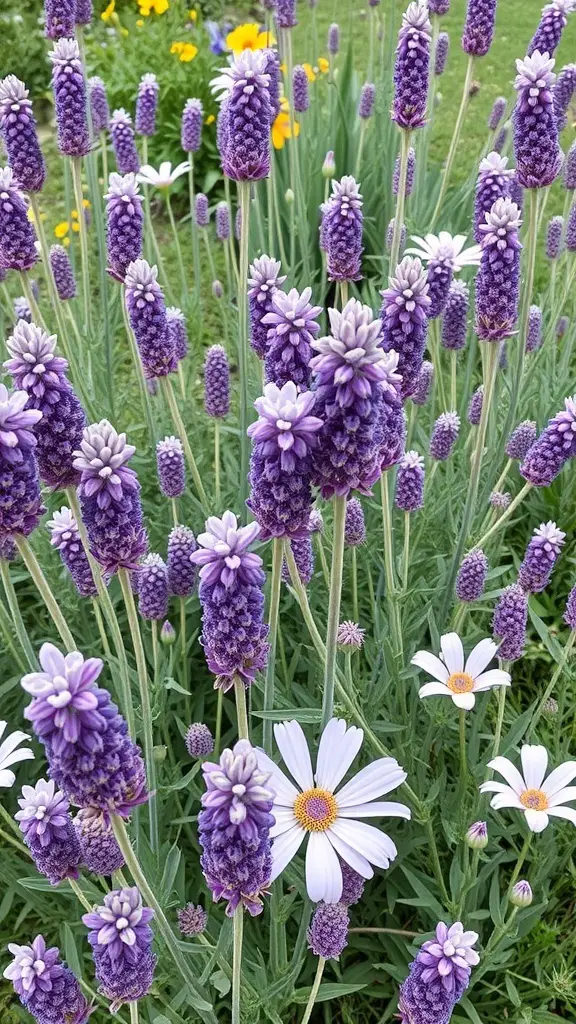
When it comes to creating a stunning lavender garden, picking the right varieties is key. The image shows a vibrant display of lavender flowers, showcasing their rich purple hues and unique shapes. These flowers not only add beauty but also attract pollinators.
Consider the climate in your area. Some lavender types thrive in warmer regions, while others prefer cooler climates. For example, English lavender is known for its hardiness and lovely fragrance, making it a popular choice.
Next, think about the purpose of your lavender. If you’re looking for culinary uses, varieties like Lavandula angustifolia are great for cooking and making teas. On the other hand, if you want to create a fragrant landscape, Lavandula stoechas offers a unique look with its distinctive flower spikes.
Lastly, don’t forget about the size and growth habits of each variety. Some lavenders grow tall and upright, while others spread out more. This can affect how you design your garden space. Mixing different types can create a beautiful and diverse lavender display.
Companion Plants for Lavender
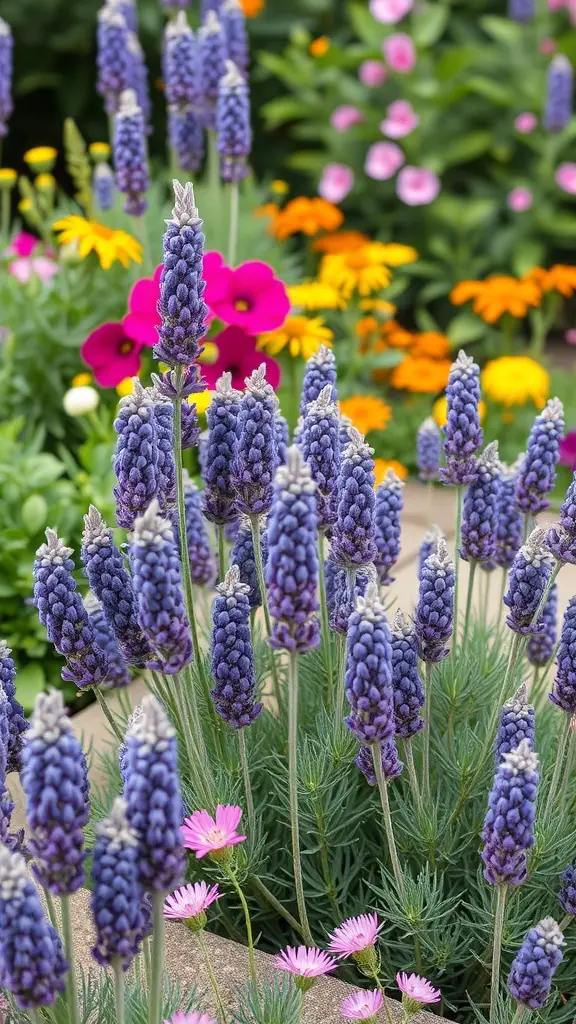
Lavender is a stunning addition to any garden, known for its beautiful purple blooms and delightful fragrance. When planning your garden, think about what plants can thrive alongside lavender. This not only enhances the visual appeal but also supports healthy growth.
One great companion for lavender is rosemary. Both plants enjoy similar growing conditions, such as well-drained soil and plenty of sunlight. Their aromatic qualities also complement each other, creating a lovely scent in your garden.
Another excellent choice is sage. This herb pairs well with lavender in both appearance and care requirements. The silvery leaves of sage contrast beautifully with lavender’s purple hues, making for an attractive display.
Consider adding marigolds too. These cheerful flowers not only brighten the garden but also help deter pests that might harm your lavender. Their vibrant colors can create a stunning backdrop for the lavender blooms.
Lastly, think about planting echinacea. This hardy flower thrives in similar conditions and attracts pollinators, which can benefit your entire garden. Together, these plants create a harmonious and thriving garden space.
Lavender’s Role in Aromatherapy
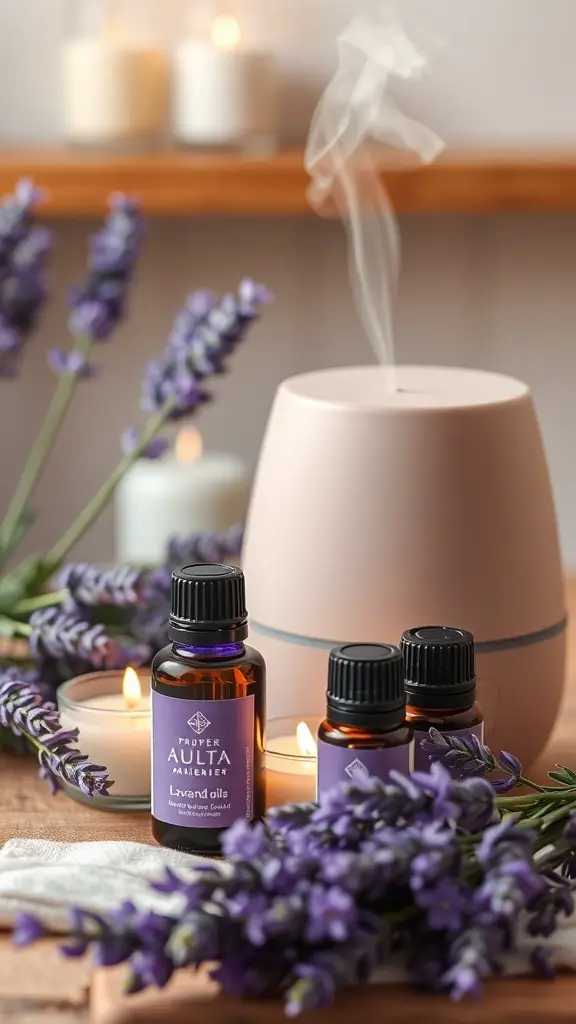
Lavender is a star in the world of aromatherapy. Its soothing scent is known for promoting relaxation and reducing stress. In the image, you can see lavender flowers alongside essential oils and a diffuser, creating a calming atmosphere.
The soft purple hues of the lavender flowers add to the peaceful vibe. The essential oils, especially lavender oil, are often used in diffusers to fill a room with a gentle aroma. This can help create a serene environment, perfect for winding down after a long day.
Using lavender in aromatherapy can also improve sleep quality. Many people find that inhaling its scent before bedtime helps them drift off more easily. The combination of the flowers and the oils in the image highlights how accessible this calming experience can be.
Whether you’re new to aromatherapy or a seasoned user, incorporating lavender can be a delightful addition. It’s simple to use and can transform any space into a relaxing retreat.
Using Lavender in Culinary Dishes
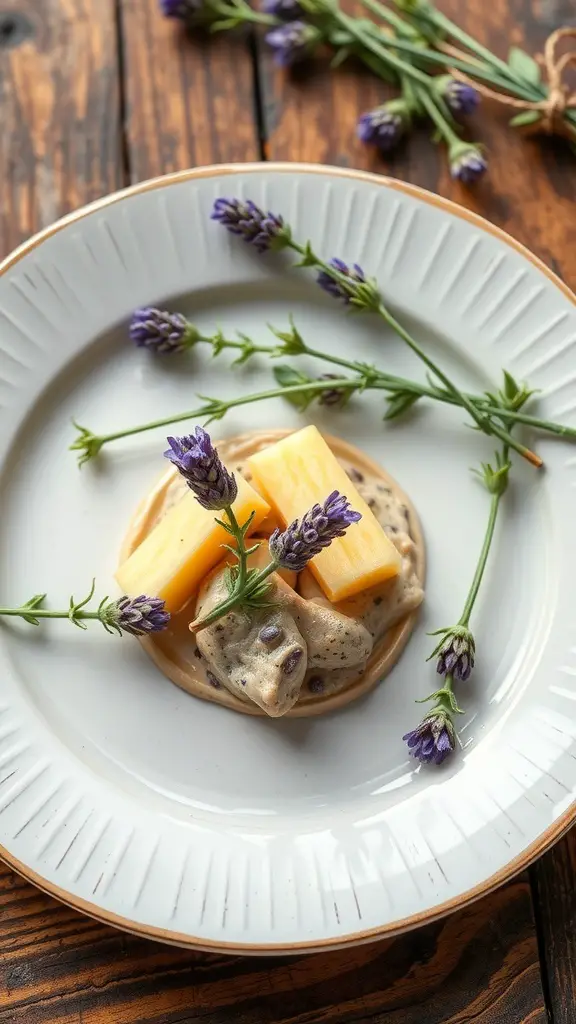
Lavender isn’t just a pretty flower; it can add a unique twist to your meals. The image shows a delightful dish featuring lavender sprigs, which hints at its culinary potential. The soft purple of the flowers contrasts beautifully with the creamy textures on the plate.
Incorporating lavender into your cooking can elevate flavors in unexpected ways. For instance, you can use it in desserts like lavender-infused ice cream or cookies. Simply mix dried lavender into your batter for a fragrant touch.
Lavender pairs well with savory dishes too. Try adding it to roasted vegetables or grilled meats. Just a pinch can bring a lovely aroma and taste. You can even create a lavender syrup to drizzle over pancakes or waffles for breakfast.
When using lavender, remember that a little goes a long way. Start with small amounts and adjust to your taste. This way, you can enjoy the floral notes without overpowering your dish.
Attracting Pollinators with Lavender
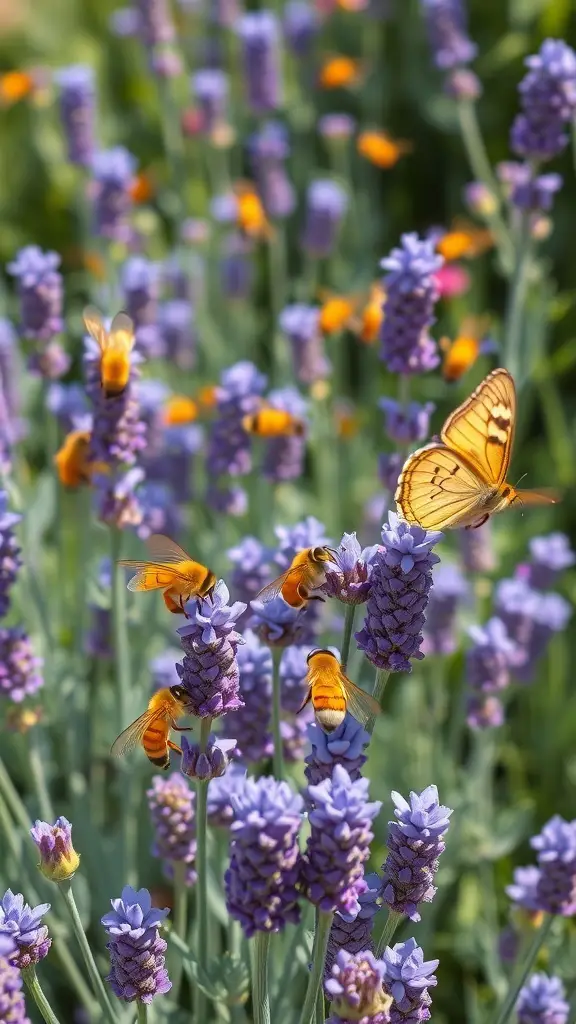
Lavender gardens are not just a treat for the eyes; they also play a vital role in attracting pollinators. The vibrant purple flowers are a favorite among bees and butterflies. These pollinators are essential for the health of our ecosystems.
In the image, you can see bees buzzing around the lavender blooms, collecting nectar. This interaction is crucial for both the plants and the insects. As bees visit the flowers, they help in the pollination process, which leads to the production of seeds and new plants.
Creating a lavender garden can be a simple yet rewarding task. Planting lavender in sunny spots will encourage more pollinators to visit. The sweet scent and colorful blooms create a welcoming environment for these important creatures.
To enhance your garden further, consider mixing in other flowering plants that bloom at different times. This will provide a continuous food source for pollinators throughout the growing season. A diverse garden not only looks beautiful but also supports a variety of wildlife.
Making Lavender Sachets and Potpourri
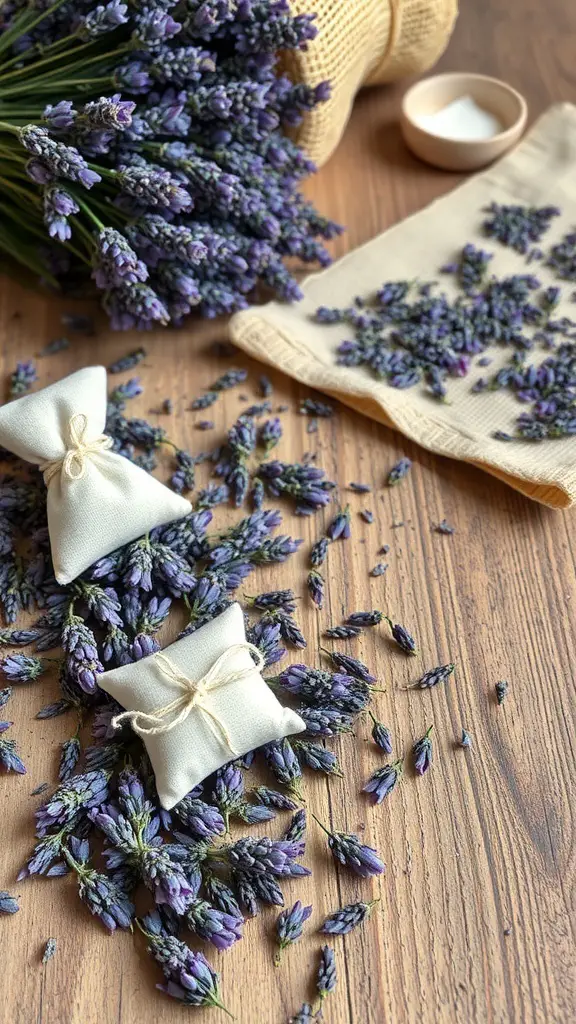
Creating lavender sachets and potpourri is a delightful way to enjoy the soothing scent of lavender. The image shows beautiful lavender flowers, some dried and scattered, along with small sachets ready to be filled. The soft, natural colors create a calming atmosphere, perfect for this craft.
To make lavender sachets, gather dried lavender flowers, small fabric bags, and some twine. Fill each bag with the dried flowers, leaving a little space at the top. Tie them closed with twine for a rustic touch. These sachets can be placed in drawers, closets, or even under pillows for a relaxing aroma.
For potpourri, mix dried lavender with other fragrant herbs and flowers. You can add a few drops of lavender essential oil to enhance the scent. Place the mixture in a decorative bowl or jar to display in your home. It not only smells great but also adds a lovely decorative element.
Seasonal Care for Lavender Plants
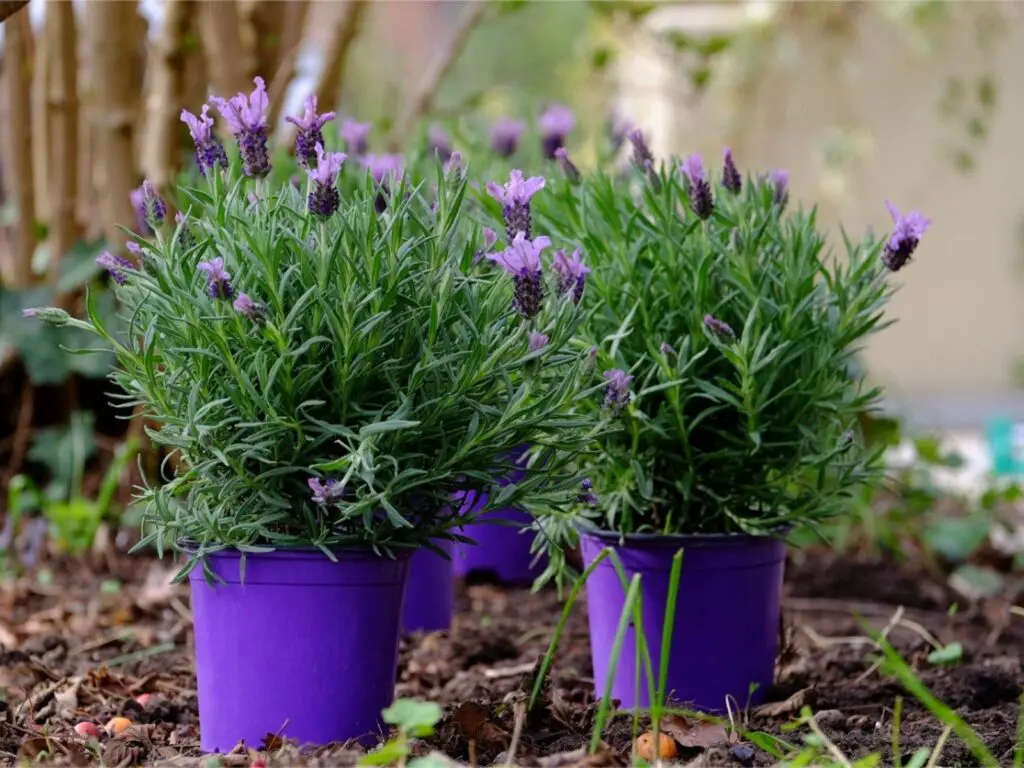
Lavender plants are a delight in any garden, bringing vibrant purple hues and a lovely fragrance. To keep them thriving, seasonal care is key. Start by ensuring they get plenty of sunlight. Lavender loves bright, sunny spots, so choose a location that receives at least six hours of direct sunlight each day.
Watering is another important aspect. During the growing season, keep the soil slightly moist but not soggy. Once established, lavender is drought-tolerant, so you won’t need to water as often. In winter, reduce watering to prevent root rot.
Pruning is essential for healthy growth. Trim back the plants in early spring to encourage new growth and maintain their shape. This also helps prevent them from becoming woody.
Fertilizing should be done sparingly. A light application of a balanced fertilizer in spring can help boost growth, but too much can lead to leggy plants. Always check the soil before adding any nutrients.
Lastly, keep an eye out for pests and diseases. Lavender is generally resistant, but watch for signs of aphids or fungal issues. Early detection is crucial for effective treatment.
Creating a Lavender-Themed Outdoor Space
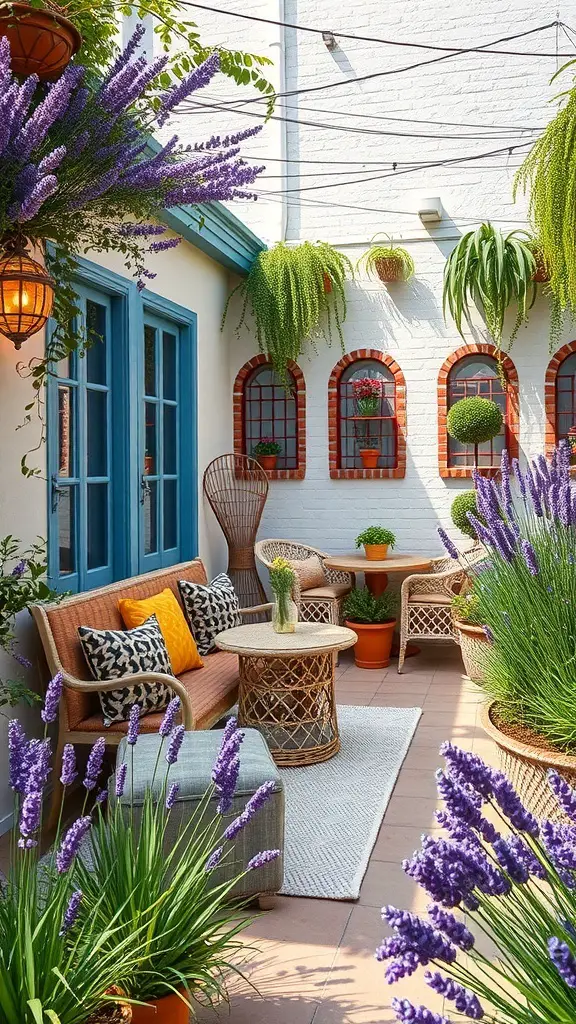
Imagine stepping into a cozy outdoor area filled with the soothing scent of lavender. This space is designed to be inviting and relaxing, perfect for unwinding after a long day.
The vibrant purple flowers create a stunning visual contrast against the soft colors of the furniture and walls. Potted lavender plants add a touch of nature and charm, making the area feel alive.
Comfortable seating options, like wicker chairs and plush cushions, invite you to sit back and enjoy the view. A small table in the center can hold drinks or snacks, making it a great spot for casual gatherings.
Hanging plants and decorative accents, such as lanterns, enhance the overall vibe. The combination of greenery and lavender creates a serene atmosphere that encourages relaxation and connection with nature.
This outdoor space can be a perfect spot for morning coffee or evening chats. With a few simple touches, you can transform any area into a lavender-themed retreat.
Creating Lavender Essential Oil
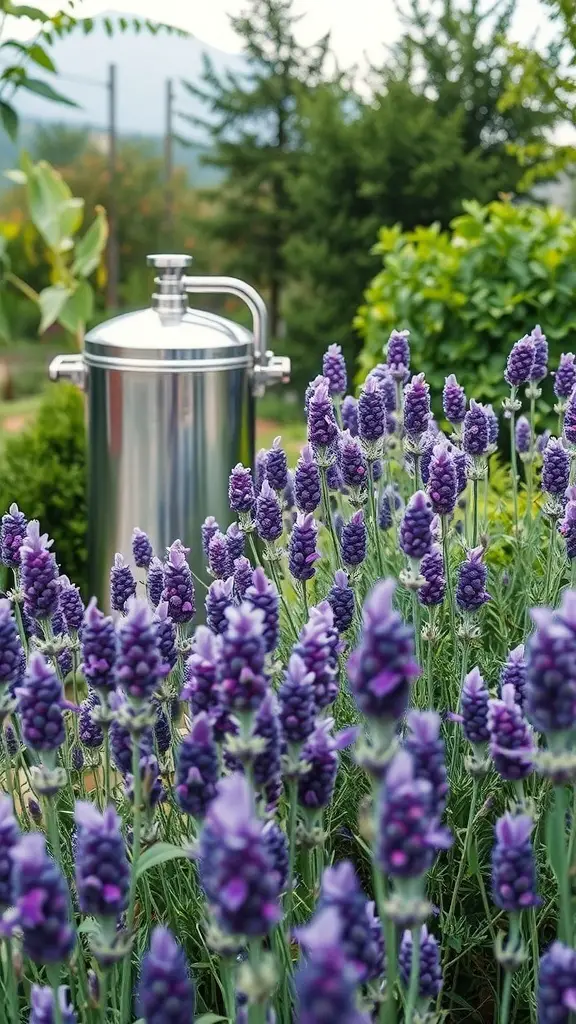
Lavender essential oil is a wonderful addition to any home. The image shows a beautiful garden filled with vibrant lavender flowers, which are the key ingredient for making this oil. These flowers not only look stunning but also have a calming scent that many people love.
To create lavender essential oil, you’ll need fresh lavender flowers. Start by harvesting the flowers when they are in full bloom. This is when they have the most potent aroma. You’ll also need a distillation setup, which is often a simple steam distiller. This equipment helps extract the essential oils from the flowers.
Once you have your lavender, place the flowers in the distiller. Add water and heat it up. The steam will carry the essential oils from the flowers, which will then condense and collect in a separate container. This process captures the lovely scent and properties of lavender.
After distillation, you’ll have pure lavender essential oil. It can be used in aromatherapy, added to bath products, or even used in homemade cleaning solutions. Making your own lavender oil is not only rewarding but also a great way to enjoy the benefits of this lovely plant.