Welcome to a delightful garden filled with over 29 varieties of lilac flowers! This collection showcases the beauty and diversity of lilacs, perfect for any garden enthusiast looking to add a splash of color and a sweet fragrance to their outdoor space. Each bloom offers a unique charm, inviting you to relax and enjoy nature’s artistry.
Varieties of Lilac Flowers
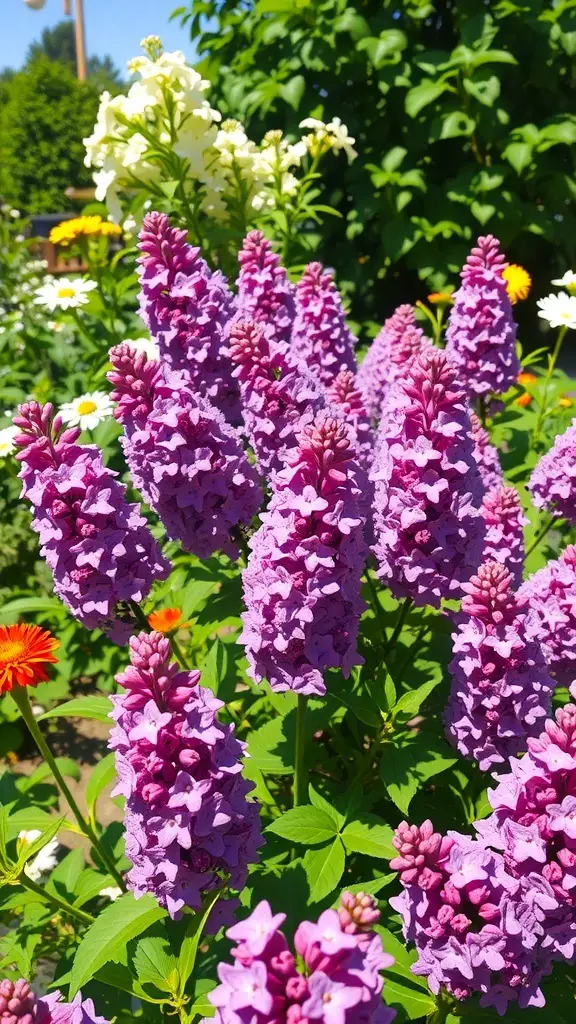
Lilac flowers come in many stunning varieties, each with its own charm. The image showcases beautiful clusters of lilac blooms, radiating shades of purple. These flowers are not just pretty; they also fill the air with a sweet fragrance that many find irresistible.
Common varieties include the French lilac, known for its classic purple flowers, and the Japanese lilac, which features white blooms. Each type has unique characteristics, making them perfect for different garden styles. The lilac in the image appears to be a hybrid, showcasing a vibrant hue that stands out against the green backdrop.
Another popular choice is the ‘Syringa vulgaris,’ which is often seen in gardens. This variety can grow quite large, providing a stunning display in spring. With so many options, gardeners can choose lilacs that fit their space and aesthetic.
The Fragrance of Lilacs
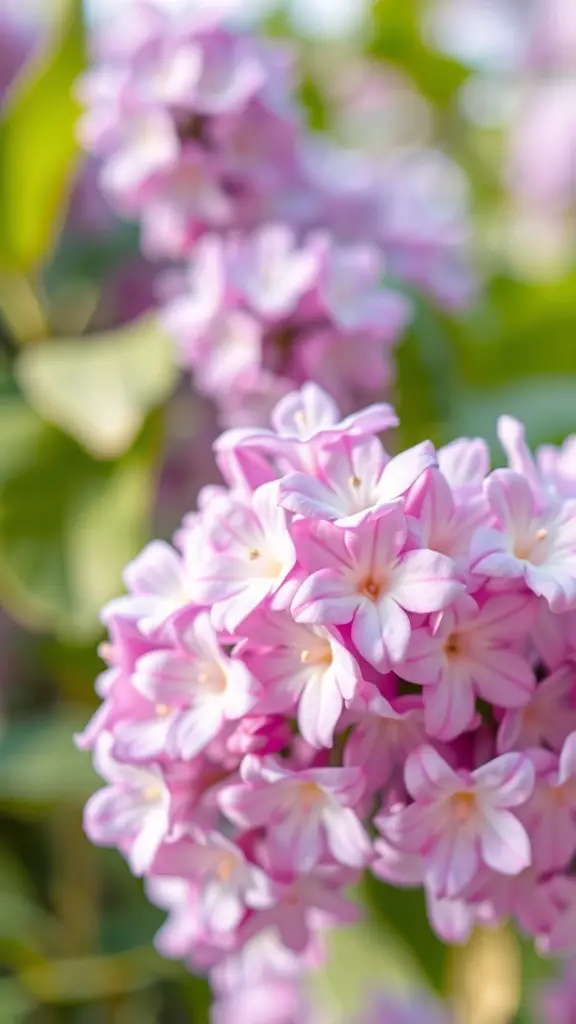
Walking through a garden filled with lilac flowers is like stepping into a sweet dream. The soft purple hues of the blooms create a stunning visual, but it’s the fragrance that truly captivates. Lilacs have a unique scent that is both fresh and floral, evoking memories of springtime and sunny days.
This delightful aroma can fill the air, inviting you to take a deep breath and enjoy the moment. It’s no wonder that lilacs are often associated with nostalgia and romance. Many people find themselves drawn to their scent, often reminiscing about childhood gardens or special occasions.
In a garden, lilacs can serve as a focal point, attracting not just human visitors but also butterflies and bees. Their fragrance can transform an ordinary space into a serene retreat. Whether you’re planning a garden or simply enjoying a stroll, the scent of lilacs adds a touch of magic to any experience.
Lilac Flowers in Landscape Design
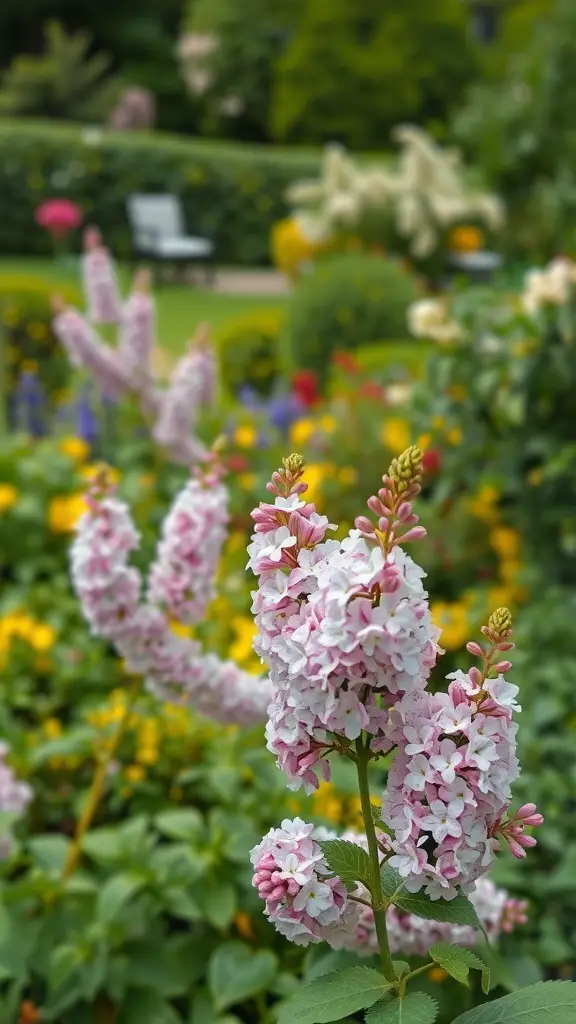
Lilac flowers bring a soft, romantic touch to any garden. Their delicate blooms, often in shades of purple and pink, can create a stunning focal point in landscape design. Imagine walking through a garden filled with these fragrant flowers, their sweet scent filling the air.
Incorporating lilacs into your garden layout can enhance the overall aesthetic. They work well as borders or in mixed flower beds, adding texture and color. Pairing lilacs with other flowering plants can create a beautiful contrast, making each bloom stand out even more.
Consider planting lilacs near seating areas. This way, you can enjoy their beauty and fragrance while relaxing outdoors. They also attract pollinators, which is great for a thriving garden ecosystem.
Overall, lilac flowers are not just pretty; they can transform your outdoor space into a vibrant and inviting area. Whether you have a small patio or a large yard, these flowers can make a big impact.
Planting Lilacs for Optimal Growth

When planting lilacs, choosing the right spot is key. They thrive in full sun, so find a location that gets at least six hours of sunlight each day. This will help them bloom beautifully.
Soil quality matters too. Lilacs prefer well-drained soil that is slightly alkaline. You can mix in some compost to enrich the soil before planting. This will give your lilacs a great start.
Spacing is important as well. Plant lilacs about 5 to 15 feet apart, depending on the variety. This allows for good air circulation and helps prevent disease.
Watering is essential, especially during the first few weeks after planting. Make sure the soil stays moist but not soggy. Once established, lilacs are quite drought-tolerant.
Lastly, consider pruning your lilacs after they bloom. This encourages new growth and more flowers next season. With a little care, your lilac garden will flourish!
Lilac Flower Colors and Their Meanings
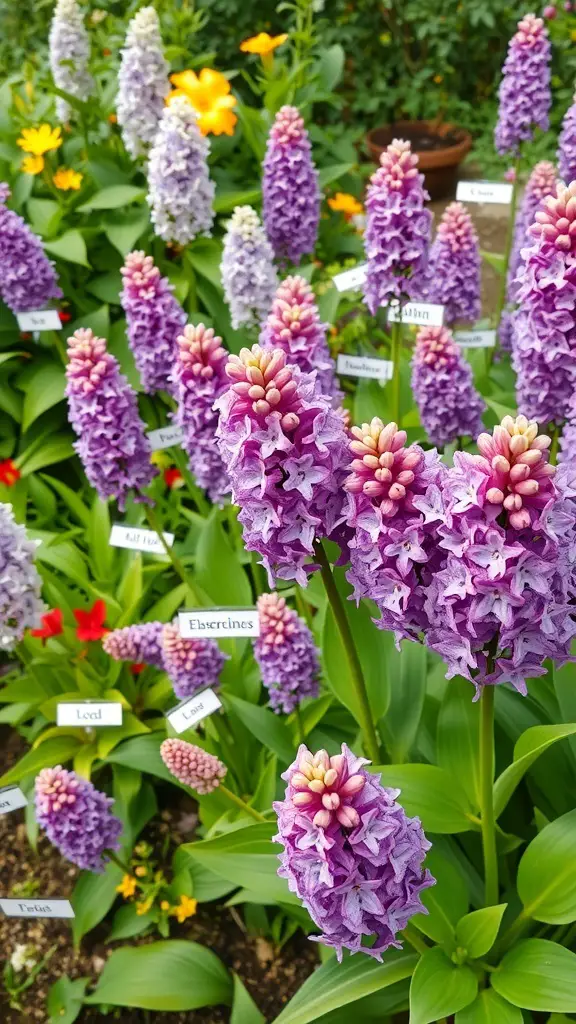
Lilac flowers come in various shades, each carrying its own unique meaning. The soft purple hues often symbolize love and tranquility. They are a favorite in gardens for their beauty and pleasant fragrance.
In the image, you can see a delightful array of lilac flowers, showcasing different shades of purple. Each flower stands tall, adding charm to the garden. The labels next to some flowers hint at their specific varieties, making it easy to appreciate the diversity.
Light purple lilacs are often associated with first love, while deeper shades can represent a more mature love. This makes them perfect for romantic occasions or simply to brighten up your home.
Whether you’re planting them in your garden or giving them as a gift, lilacs are sure to bring joy and meaning. Their vibrant colors and lovely scents make them a wonderful choice for any flower lover.
Companion Plants for Lilacs

Lilacs are stunning flowers that bring a pop of color and fragrance to any garden. When planning your garden, think about what plants can complement lilacs beautifully. Pairing them with the right companions can enhance their beauty and health.
Consider planting daisies alongside lilacs. Their cheerful white and yellow blooms contrast nicely with the rich purple of lilacs. They thrive in similar conditions, making them a great match.
Roses also make excellent companions. Their lush blooms and varied colors can create a vibrant display. Plus, both plants enjoy full sun, which makes them easy to care for together.
Another option is peonies. Their large, soft petals and sweet scent harmonize well with lilacs. Planting them nearby can create a lovely layered effect in your garden.
Lastly, think about adding some greenery. Hostas or ferns can provide a lush backdrop that highlights the lilacs. Their foliage can help fill out the space and keep the garden looking full and vibrant.
Caring for Your Lilac Garden
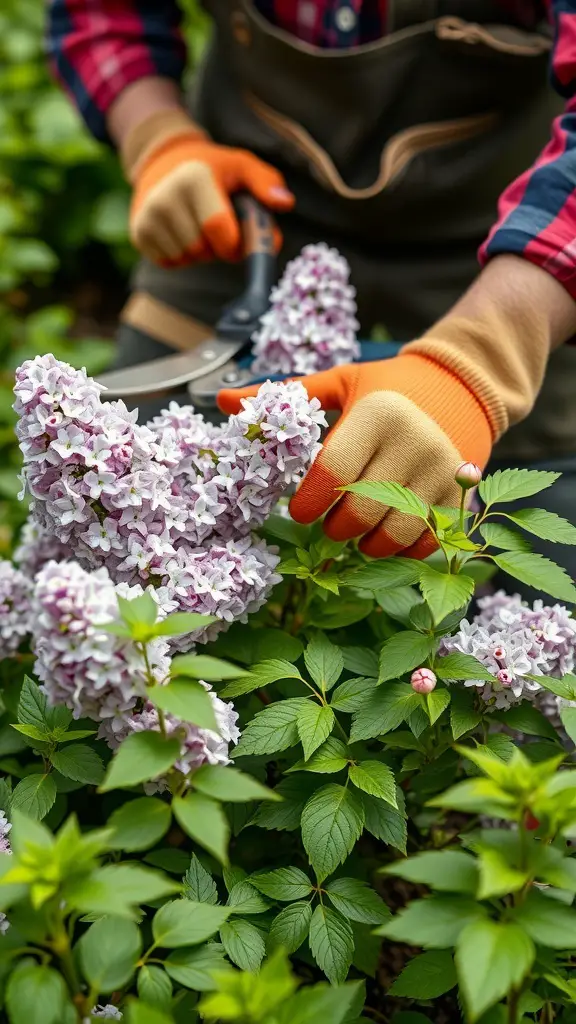
Caring for lilacs can be a rewarding experience. These lovely flowers bring vibrant colors and delightful scents to your garden. To keep them healthy, regular maintenance is key.
Start by ensuring they get plenty of sunlight. Lilacs thrive in full sun, so choose a spot that receives at least six hours of direct sunlight each day. This helps them bloom beautifully.
Watering is also important. While lilacs are drought-tolerant, they do appreciate some moisture, especially during dry spells. Water them deeply but infrequently to encourage strong root growth.
Pruning is a crucial part of lilac care. Trim back spent blooms after flowering to promote new growth. This helps the plant focus its energy on producing more flowers next season.
Lastly, keep an eye out for pests. Regularly check your plants for any signs of trouble, and address issues promptly to keep your lilac garden thriving.
Lilac Varieties for Different Climates
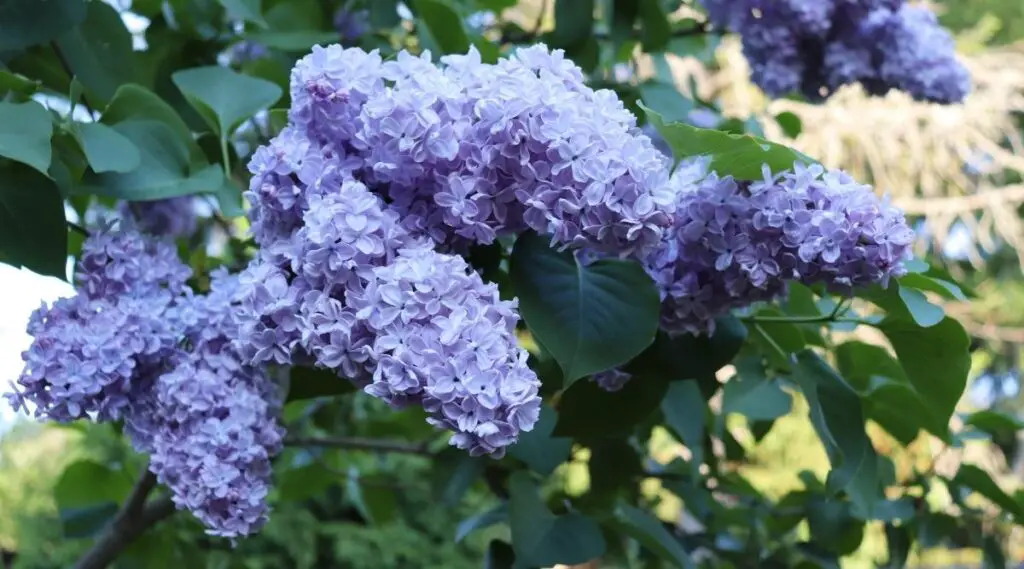
Lilacs are a favorite for many gardeners, and their beauty can be enjoyed in various climates. The image shows a vibrant display of lilac flowers, which are not only stunning but also come in different varieties suited for different environments.
For colder regions, consider planting the common lilac (Syringa vulgaris). This variety thrives in zones 3 to 7 and is known for its fragrant blooms. If you live in a warmer area, the Japanese tree lilac (Syringa reticulata) is a great choice, as it can handle zones 4 to 7 and offers a unique look with its tree-like structure.
For those in milder climates, the Persian lilac (Syringa persica) can be a lovely addition. It grows well in zones 4 to 9 and features delicate flowers that add charm to any garden. No matter where you live, there’s a lilac variety that can flourish and bring joy to your outdoor space.
Lilacs Through the Seasons
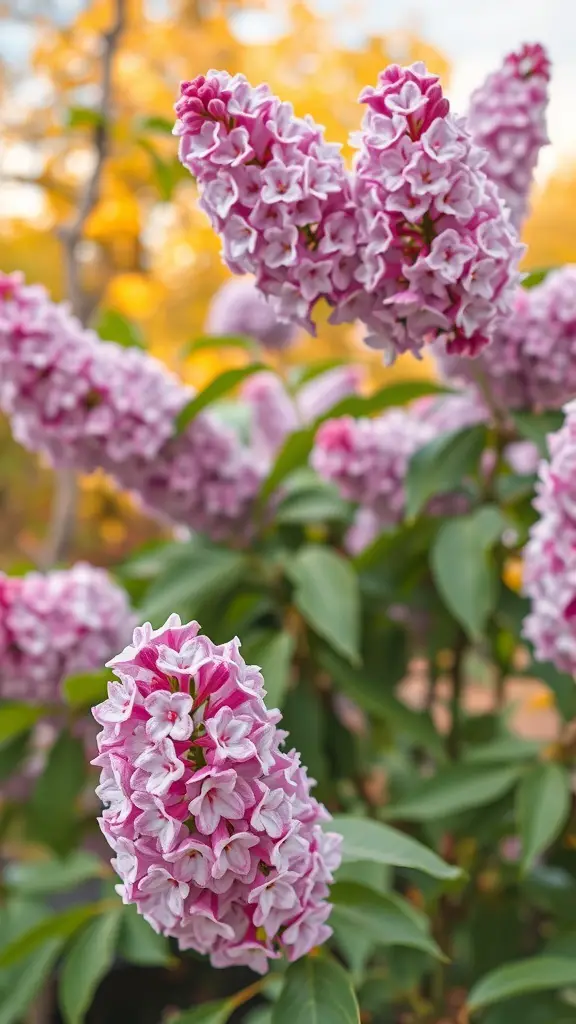
Lilacs are a true delight in any garden, especially when they bloom in spring. Their clusters of purple and pink flowers create a stunning display. The image captures these beautiful lilac flowers in full bloom, showcasing their vibrant colors against a soft background.
As spring fades into summer, lilacs begin to lose their blossoms. The leaves remain lush and green, providing a lovely backdrop for other flowers. In fall, the foliage turns golden, adding warmth to the garden. Even in winter, lilac bushes stand tall, their bare branches hinting at the beauty that will return.
Each season brings its own charm to lilacs. They are not just a springtime favorite; they offer visual interest year-round. Whether you’re planting them or simply enjoying their beauty, lilacs are a wonderful addition to any garden.
Lilac Flower Arrangements
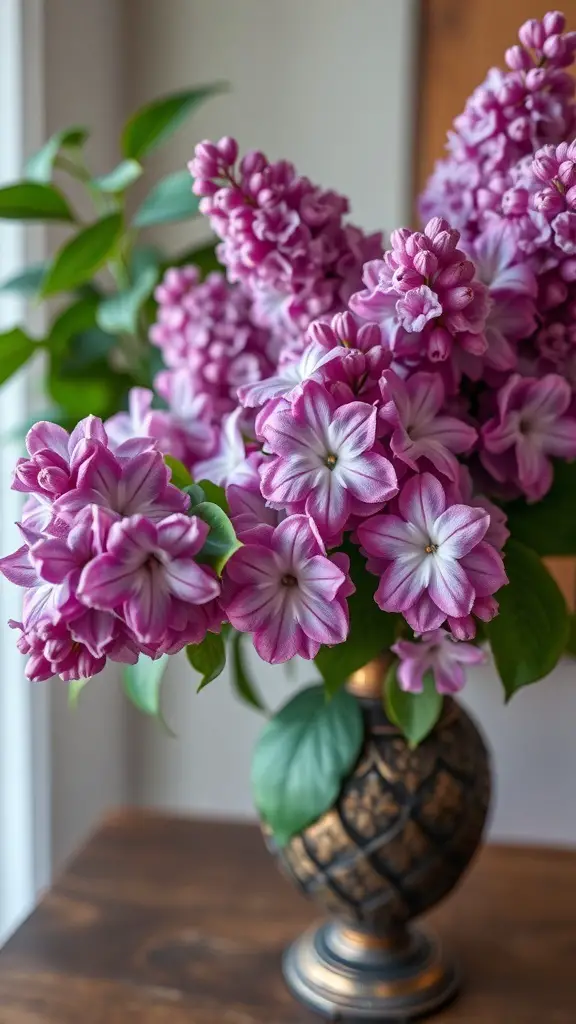
Lilac flowers are a delightful choice for any arrangement. Their soft purple hues and sweet fragrance bring a touch of charm to your space. Whether you’re preparing for a special occasion or just want to brighten your home, lilacs can make a stunning statement.
When arranging lilacs, consider mixing them with other flowers for added texture. Pairing them with white or pink blooms can create a lovely contrast. Using a classic vase can enhance their beauty, allowing the lilacs to shine.
Don’t forget to trim the stems at an angle before placing them in water. This helps them absorb more water and stay fresh longer. Adding a bit of flower food can also give them a boost.
For a more rustic look, try using a mason jar or a wooden container. This can give your arrangement a cozy feel, perfect for a casual gathering or a simple home decor update.
Lilac Festivals Around the World
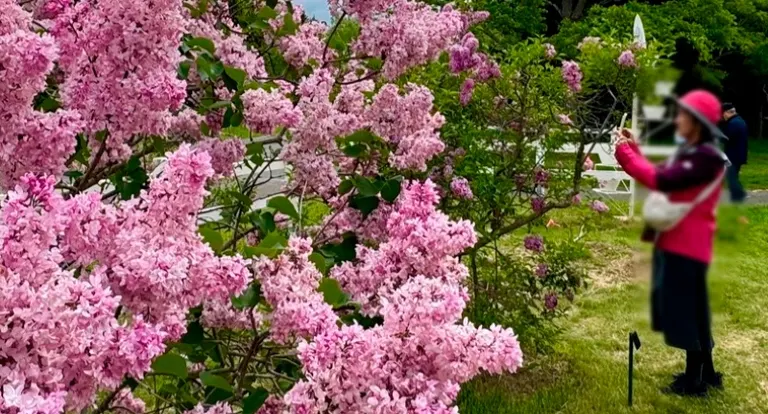
Lilac festivals are a delightful way to celebrate the beauty of these fragrant blooms. The image captures a lively scene filled with people enjoying a sunny day surrounded by stunning lilac flowers. The vibrant pink and purple hues of the blossoms create a picturesque backdrop for festival-goers.
These festivals often feature local vendors, food stalls, and live music, making them a perfect outing for families and friends. Visitors can stroll through rows of lilac bushes, taking in the sweet scent and vibrant colors. It’s a great opportunity to learn about different lilac varieties and gardening tips.
Many festivals also include activities such as flower arranging workshops or guided tours, allowing attendees to connect more deeply with these beautiful plants. Whether you’re a gardening enthusiast or just love flowers, lilac festivals offer a joyful experience for everyone.
Lilac Flower Photography Tips

Capturing lilac flowers can be a delightful experience. Their soft purple hues and fragrant blooms make for stunning photographs. Start by choosing the right time of day. Early morning or late afternoon light can add a warm glow to your images.
Consider your composition. Get close to the flowers to fill the frame, or step back to include more of the garden. Experiment with different angles to find the most appealing perspective. A low angle can make the flowers look grand and majestic.
Don’t forget to play with depth of field. A blurred background can help the lilacs stand out. Use a wide aperture to achieve this effect. This technique draws attention to the details of the flowers.
Lastly, be patient. Wait for the perfect moment when the breeze calms down. This will help you capture sharp images without any motion blur. Enjoy the process and have fun with your photography!
Creating a Lilac Hedge
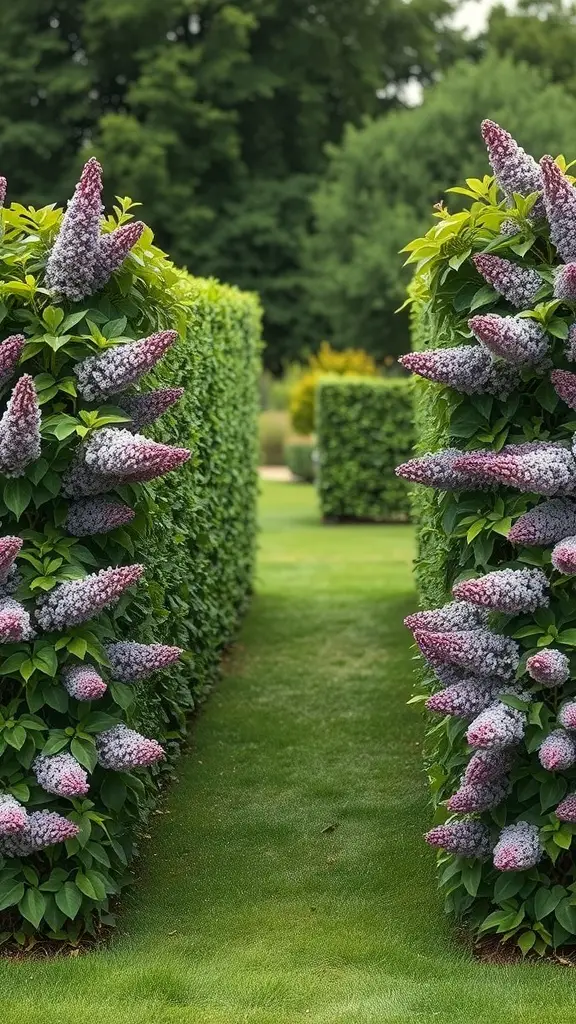
Creating a lilac hedge is a delightful way to add beauty and fragrance to your garden. The image shows a stunning pathway flanked by lush lilac bushes in full bloom. Their vibrant purple flowers create a striking visual that draws the eye and invites exploration.
To start, choose a sunny spot in your yard. Lilacs thrive in well-drained soil and need plenty of sunlight. Space the plants about three to five feet apart to allow them to grow and fill in over time.
When planting, dig a hole twice as wide as the root ball. This gives the roots room to spread out. Water the plants well after planting, and consider adding mulch to retain moisture and suppress weeds.
Regular pruning helps maintain the shape of your hedge and encourages more blooms. Aim to prune right after flowering to promote healthy growth for the next season.
With a little care, your lilac hedge will flourish, providing a beautiful backdrop for your garden and a lovely scent in the air.
Lilac Diseases and Pests
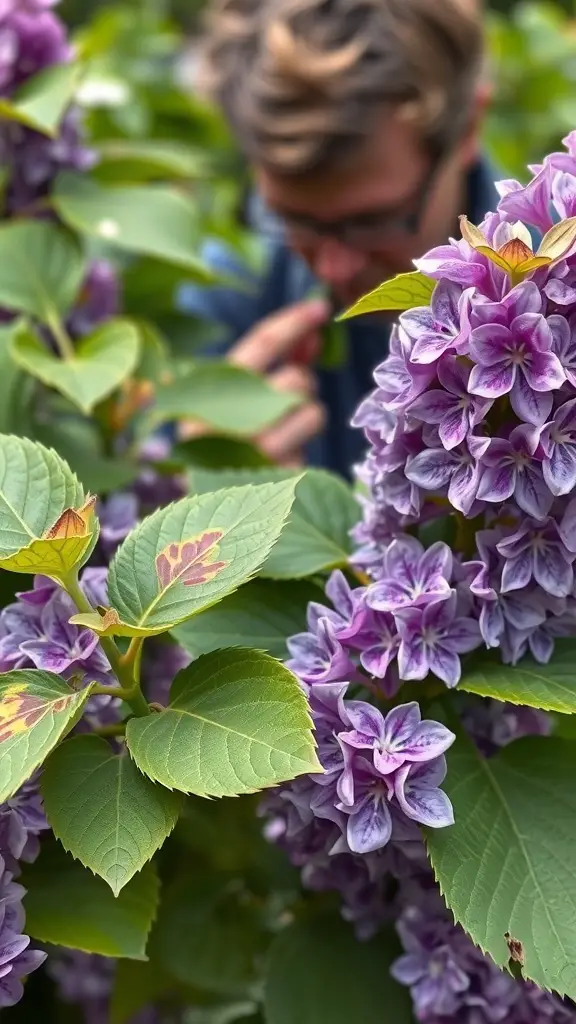
Lilacs are beautiful flowers that can brighten any garden. However, they can face challenges from diseases and pests. Keeping an eye on your lilacs is key to maintaining their health.
Common diseases include powdery mildew and leaf spot. Powdery mildew appears as a white, powdery coating on leaves. It thrives in humid conditions. Leaf spot shows up as dark spots on the leaves, often leading to yellowing and dropping.
Pests like aphids and lilac borers can also cause trouble. Aphids suck the sap from the leaves, leading to curled and yellowing foliage. Lilac borers are more serious; they burrow into the stems, weakening the plant.
Regular inspection and proper care can help prevent these issues. Make sure to prune dead or infected branches and consider using organic treatments to keep pests at bay. A healthy lilac garden is a joy to behold!
Propagating Lilacs from Cuttings
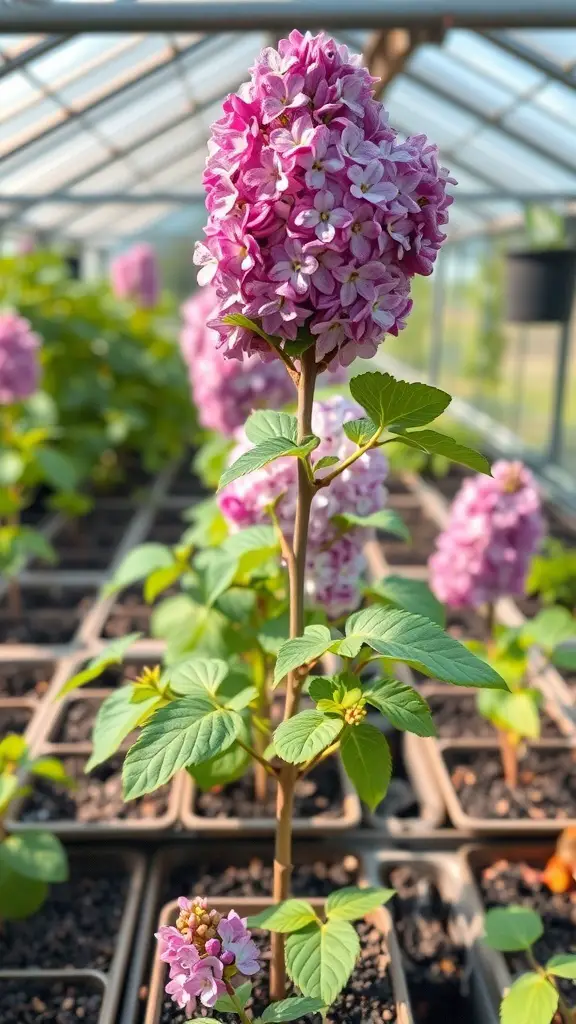
Propagating lilacs from cuttings is a rewarding way to expand your garden. The image shows beautiful lilac flowers, showcasing their vibrant colors and lush foliage. These flowers are not just pretty; they can be easily grown from cuttings, making them a favorite among gardeners.
To start, select healthy stems from an existing lilac plant. Look for young, green shoots that are about 6 to 8 inches long. Cut just below a leaf node to encourage root growth. Remove the lower leaves, leaving a few at the top. This helps the cutting focus its energy on rooting.
Next, dip the cut end in rooting hormone to boost your chances of success. Then, plant the cutting in a pot filled with a well-draining soil mix. Water it gently and cover it with a plastic bag or a clear container to create a humid environment. This helps the cutting retain moisture while it establishes roots.
Place the pot in a warm, bright spot but out of direct sunlight. Keep the soil moist but not soggy. After a few weeks, you should see new growth, indicating that roots are forming. Once the cutting is well-rooted, you can transplant it to your garden or a larger pot.