Plant wall designs are a fun and creative way to bring life and vibrancy to your spaces, blending nature with your decor in a stunning way. From lush greenery to expertly arranged succulents, there are countless ideas to inspire your own indoor jungle or outdoor oasis. Let’s explore over 27+ unique concepts that can transform your walls into spectacular living art!
DIY Plant Wall Installation
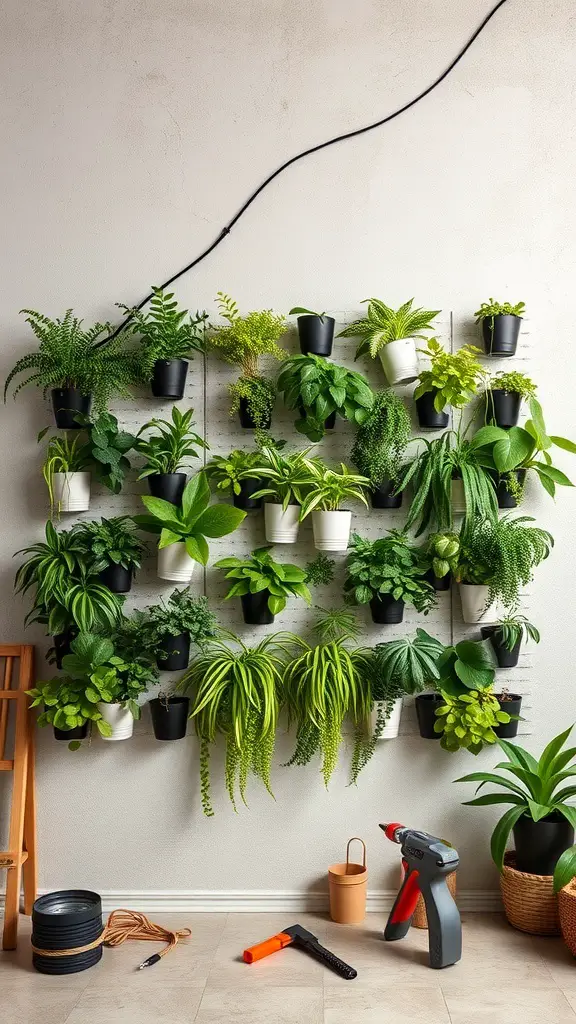
Creating a plant wall is a fun way to bring nature indoors. The image shows a vibrant display of various plants arranged in pots on a wall. This setup not only looks great but also helps improve air quality.
To start your own plant wall, you’ll need some basic supplies. Gather pots, a sturdy wall mount, and a selection of plants that thrive in indoor conditions. Ferns, pothos, and spider plants are excellent choices for beginners.
Next, decide on the layout. You can create a symmetrical pattern or a more casual arrangement. Make sure to leave enough space between pots for growth. Once you have your design, secure the wall mount and hang your pots.
Don’t forget to water your plants regularly and check for any signs of pests. A little maintenance goes a long way in keeping your plant wall looking fresh and lively!
Indoor vs. Outdoor Plant Walls

When it comes to plant walls, the choice between indoor and outdoor designs can shape the vibe of your space. Indoor plant walls, like the one in the image, create a lush, green backdrop that breathes life into any room. They can improve air quality and add a calming touch to your home or office.
On the flip side, outdoor plant walls can transform patios or gardens into vibrant retreats. They not only enhance the beauty of your outdoor area but also provide privacy and can even help with insulation. Each type has its own charm and benefits, making it easy to find the right fit for your needs.
Incorporating Lighting in Plant Walls

Lighting plays a key role in showcasing plant walls. The right lights can highlight the textures and colors of the plants, making them pop. In the image, soft lighting illuminates the green foliage, creating a warm and inviting atmosphere.
Consider using spotlights to draw attention to specific plants. This can create a focal point and add depth to the design. The gentle glow from the lights also enhances the overall aesthetic, making the space feel cozy.
Another idea is to use LED strips along the edges of the plant wall. This can provide a subtle glow that enhances the greenery without overwhelming it. It’s a great way to add a modern touch while keeping the focus on the plants.
For outdoor spaces, solar-powered lights can be a fantastic option. They are eco-friendly and can be placed strategically to highlight the beauty of the plant wall at night. This not only adds charm but also extends the usability of the space after dark.
Vertical Garden Basics
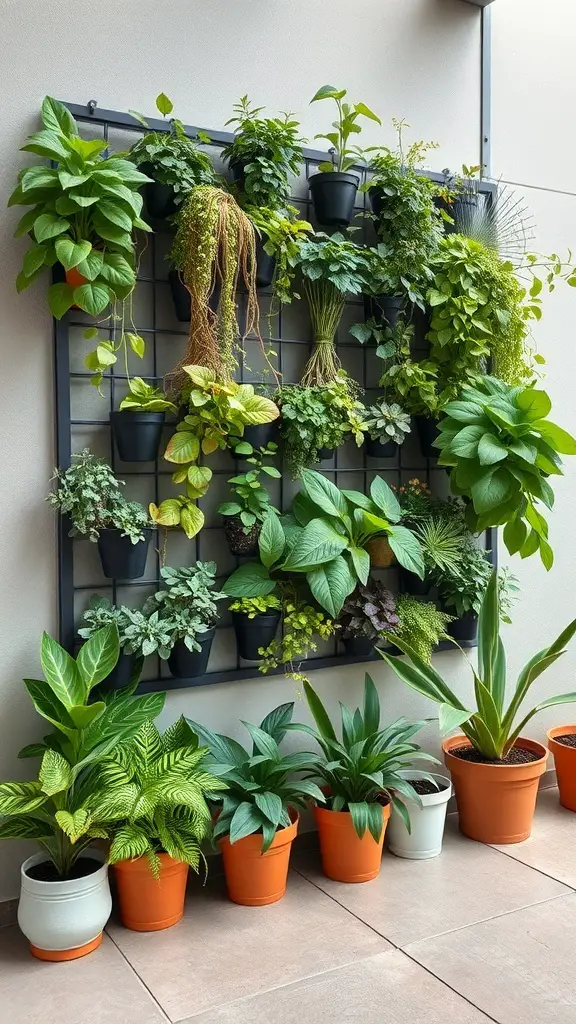
Vertical gardens are a fantastic way to bring nature indoors or enhance outdoor spaces. The image shows a beautifully arranged plant wall, featuring a variety of greenery in pots attached to a grid. This setup not only saves space but also adds a refreshing touch to any area.
The plants vary in size and texture, creating a lively display. From trailing vines to bushy foliage, each plant contributes to a vibrant look. This design is perfect for small spaces where traditional gardening isn’t feasible.
When planning your vertical garden, think about the types of plants that thrive in your environment. Consider light conditions and how much care each plant requires. This way, you can create a stunning and sustainable green wall that suits your lifestyle.
Maintenance Tips for Plant Walls
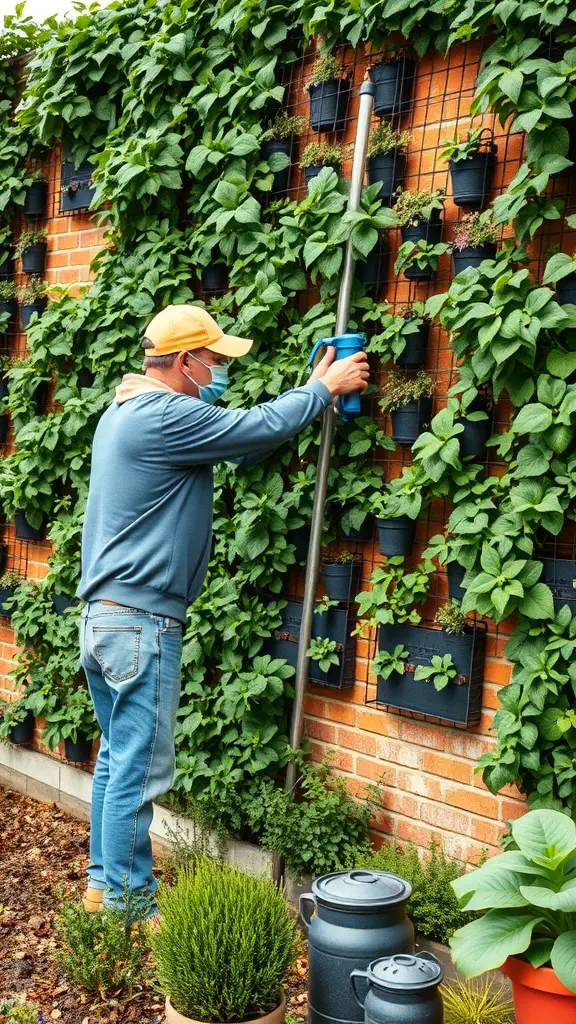
Plant walls can bring life to any space, but they do require some care. The image shows a person tending to a vibrant plant wall, which highlights the importance of regular maintenance.
Start by checking the moisture levels of your plants. A simple touch can tell you if they need water. Overwatering can be just as harmful as underwatering, so find a balance.
Next, consider pruning. Trimming back overgrown plants helps maintain their shape and encourages new growth. This keeps your wall looking fresh and tidy.
Don’t forget about pests! Regularly inspect your plants for any signs of trouble. Early detection can save your plant wall from bigger issues down the line.
Lastly, think about fertilizing. Using a balanced fertilizer can give your plants the nutrients they need to thrive. Follow the instructions on the package for the best results.
Creative Plant Wall Shapes
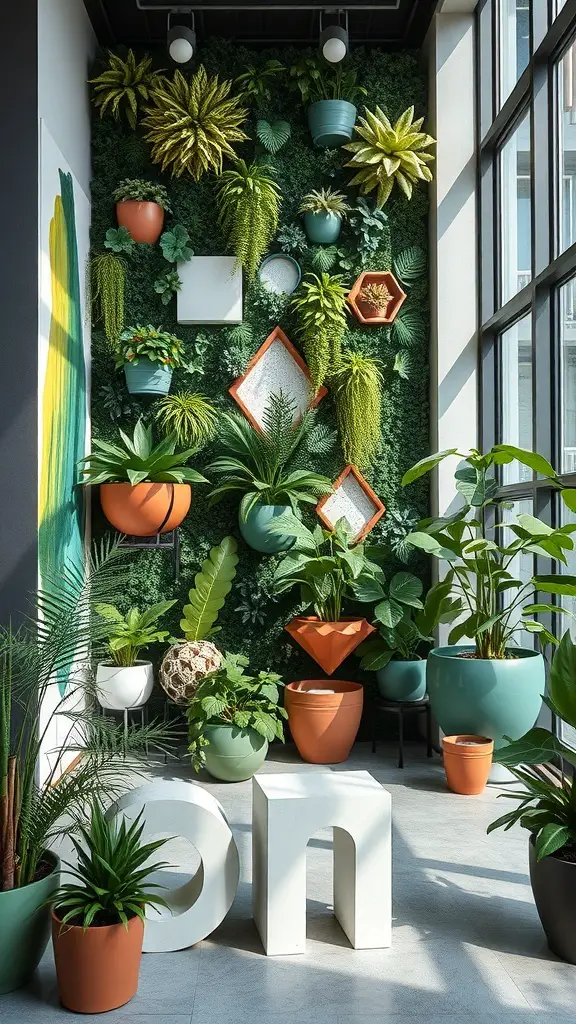
Plant walls can take on so many fun shapes and styles. This image showcases a vibrant mix of colors and textures that can really brighten up a space. The different planters, from round to hexagonal, create a playful look that draws the eye.
The arrangement of plants adds depth and interest. Some plants hang down, while others stand tall, creating a dynamic visual effect. This layering not only looks great but also allows for a variety of plant types to thrive.
Using various pot colors, like teal and terracotta, adds a modern twist. It’s a great way to express personality in your decor. You can even mix in some art pieces or mirrors to enhance the design.
Incorporating a plant wall like this can transform any room into a lively, refreshing environment. It’s a creative way to bring nature indoors while making a bold statement.
Choosing the Right Plants

When it comes to creating a stunning plant wall, picking the right plants is key. The image shows a variety of lush green plants, each bringing its own charm to the setup. From hanging pots to potted plants on the floor, there’s a delightful mix of textures and colors.
Start by considering the light conditions in your space. Some plants thrive in bright light, while others prefer shade. For example, the trailing plants in hanging pots can add a beautiful cascading effect, perfect for bright areas.
Next, think about the size and growth habits of the plants. Taller plants like the ones on the left can serve as a backdrop, while smaller varieties can fill in the gaps. Mixing different heights creates visual interest.
Don’t forget about maintenance! Some plants require more care than others. If you’re busy, opt for low-maintenance options like pothos or snake plants. They’re forgiving and can adapt to various conditions.
Lastly, consider your personal style. Choose plants that resonate with you. Whether you prefer vibrant foliage or subtle greens, your plant wall should reflect your taste. Happy planting!
Using Wall Planters Effectively
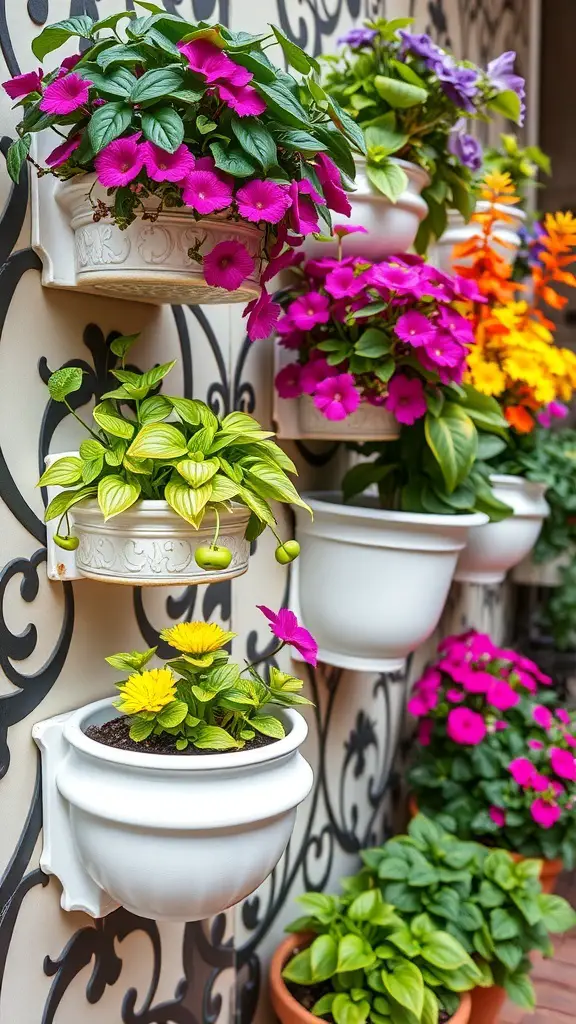
Wall planters are a fantastic way to bring life to your space. They allow you to showcase beautiful plants without taking up valuable floor space. The image shows a vibrant arrangement of wall planters filled with colorful flowers and greenery.
When using wall planters, think about the colors and types of plants you want. Mixing different shades can create a lively display. In the image, you can see a mix of pinks, yellows, and greens that really pop against the background.
Placement is key. Consider where the planters will get the right amount of sunlight. Some plants thrive in bright light, while others prefer shade. This balance will help your plants flourish.
Maintenance is also important. Regular watering and checking for pests will keep your wall garden looking fresh. The image shows healthy, lush plants, which is a great reminder to keep up with care.
Lastly, don’t be afraid to get creative. Use different planter shapes and sizes to add interest. The variety in the image makes it visually appealing and unique. Wall planters can truly transform a plain wall into a stunning focal point.
Seasonal Plant Wall Adjustments

Creating a plant wall is a fun way to bring nature indoors. The image shows a vibrant mix of green and yellow plants, showcasing how different colors can enhance your space. Seasonal adjustments can keep your plant wall looking fresh and lively throughout the year.
In spring, consider adding blooming plants to introduce pops of color. Flowers can brighten up the wall and create a cheerful atmosphere. Summer is perfect for lush greenery, so focus on plants that thrive in warmer weather.
As fall approaches, think about incorporating plants with rich, warm tones. This can create a cozy vibe as the weather cools down. In winter, opt for hardy plants that can withstand lower light levels, ensuring your wall remains vibrant even in the colder months.
Regularly rotating plants based on the season can keep your wall dynamic and engaging. Plus, it’s a great way to experiment with different plant combinations and arrangements!
Color Schemes for Plant Walls
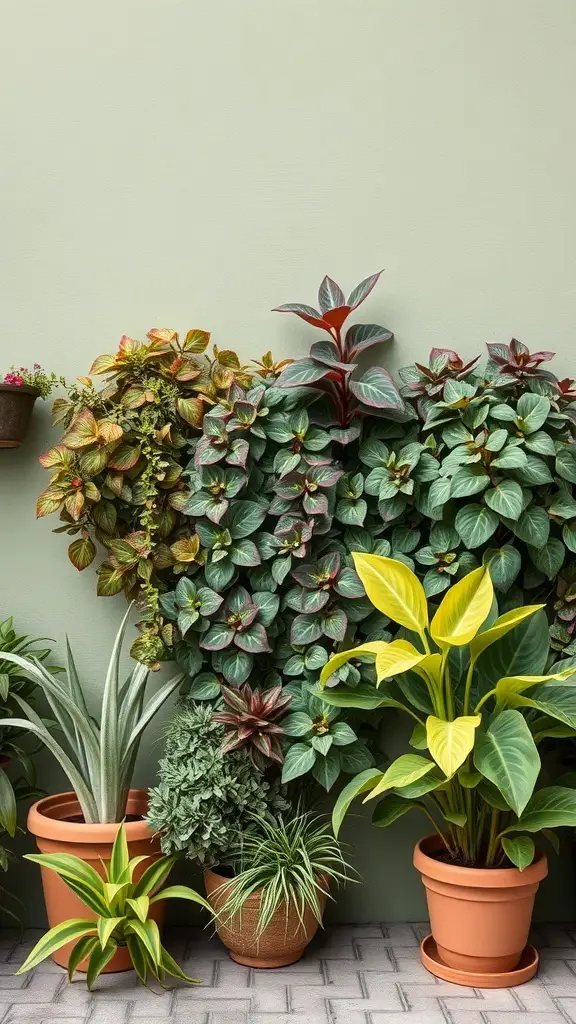
Creating a plant wall can be a fun way to bring life into any space. The colors of the plants play a big role in how the wall feels. A mix of greens, yellows, and reds can create a lively atmosphere.
For a calming look, consider using shades of green and soft pastels. This can make a room feel more serene. On the other hand, bold colors like deep reds and bright yellows can energize a space.
Think about the pots too! Terracotta pots add warmth, while sleek white ones can give a modern touch. Mixing different pot colors can add depth to your design.
Don’t forget about the background! A light wall color can make the plants pop, while darker shades can create a cozy vibe. Experimenting with these elements can lead to a stunning plant wall.
Plant Wall Ideas for Offices
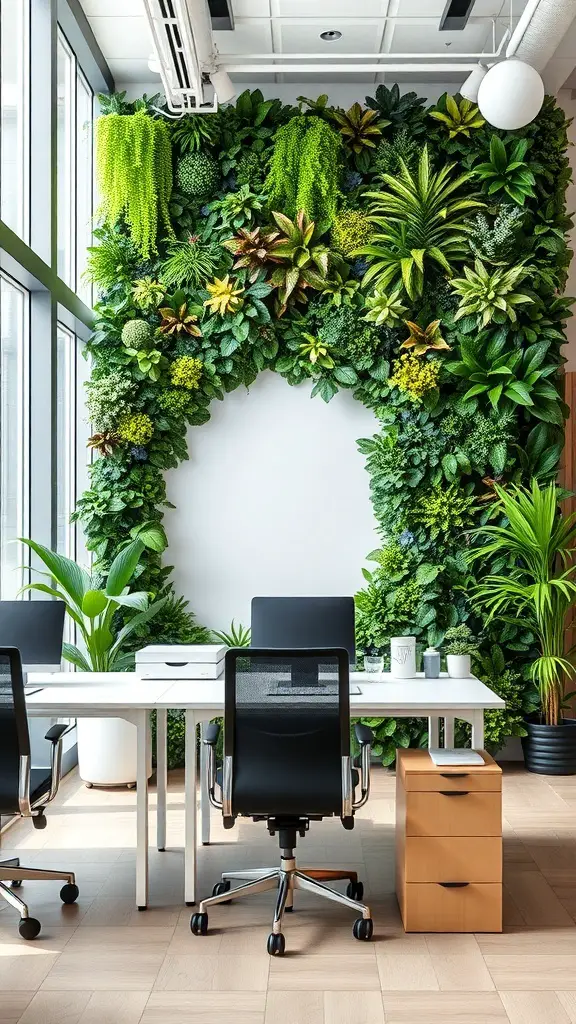
Creating a plant wall in your office can completely change the vibe of the space. Imagine walking into a room filled with lush greenery that instantly lifts your mood. This image showcases a vibrant plant wall that acts as a stunning focal point in a modern office setting.
The variety of plants used here adds texture and depth. From trailing vines to bold leaves, each plant contributes to a lively atmosphere. This type of design not only beautifies the space but also improves air quality, making it a smart choice for any workplace.
Consider incorporating a mix of real and artificial plants for ease of maintenance. If you’re short on time, opt for low-light plants that require minimal care. You could also create a themed plant wall, such as tropical or succulent varieties, to match your office decor.
Another idea is to frame the wall with a blank space for branding or artwork. This allows you to personalize the area while still enjoying the benefits of greenery. A plant wall can also serve as a natural sound barrier, making your office feel more serene.
Incorporating Art with Plant Walls
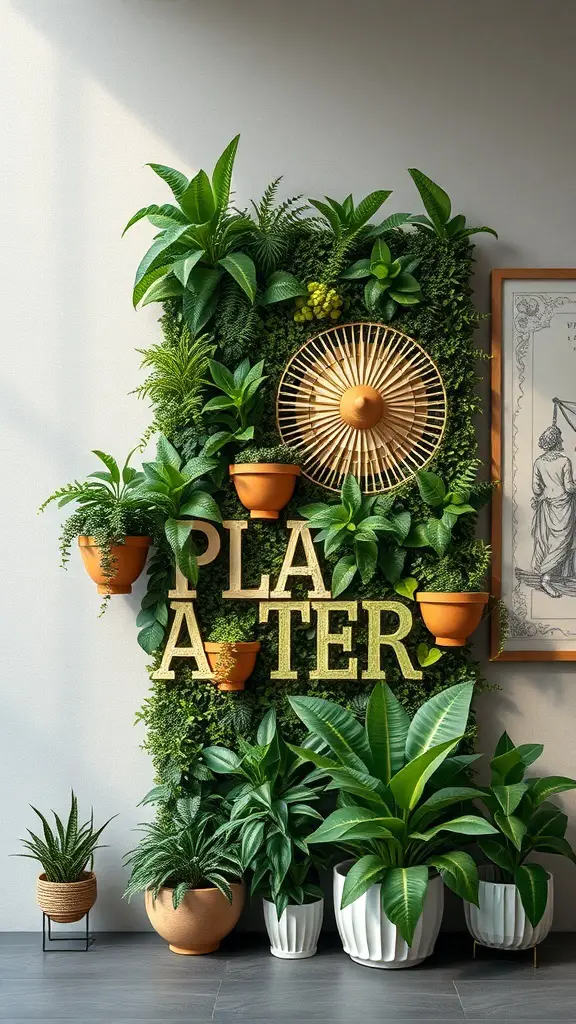
Plant walls are a fantastic way to bring nature indoors, and they can be even more striking when combined with artistic elements. The image showcases a vibrant plant wall that features a mix of lush greenery and decorative pots. The arrangement creates a lively focal point in any room.
The use of the word ‘PLANTER’ in bold letters adds a playful touch. This clever integration of text with greenery makes the wall not just a display of plants but also a piece of art. The circular design element behind the text adds depth and visual interest, enhancing the overall aesthetic.
Incorporating art into plant walls can take many forms. You might consider adding sculptures, framed art, or even unique planters that reflect your personal style. This approach allows you to express creativity while enjoying the benefits of indoor plants.
Whether you choose to go for a minimalist look or a more eclectic style, the key is to find a balance between the plants and the artistic elements. This ensures that both aspects complement each other, creating a harmonious and inviting space.
Sustainable Practices in Plant Wall Design
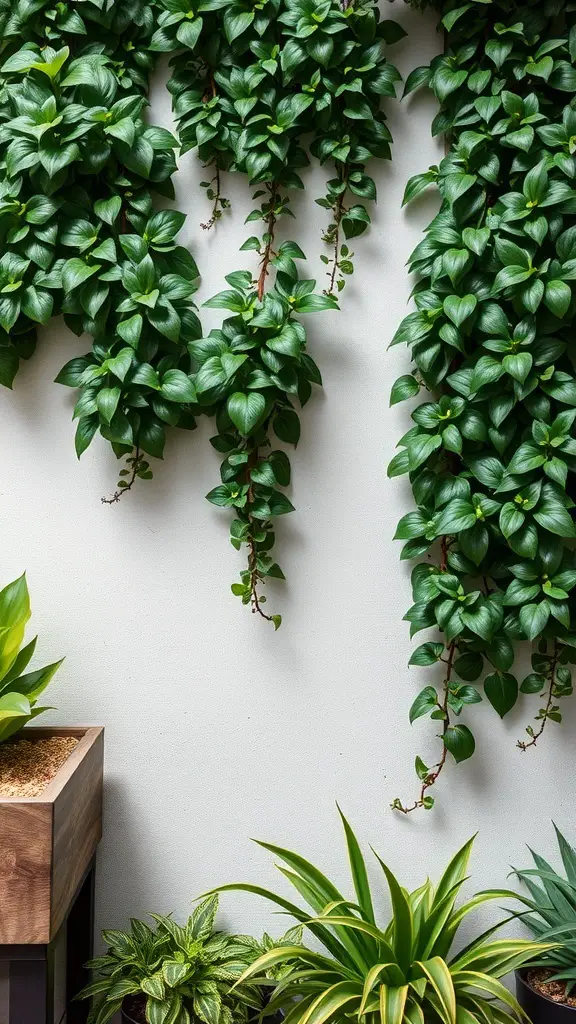
Plant walls are a fantastic way to bring nature indoors while promoting sustainability. The image shows a lush green wall, filled with vibrant leaves cascading down, creating a refreshing atmosphere. This design not only beautifies a space but also contributes to better air quality.
Using native plants is a smart choice for sustainable plant walls. These plants require less water and maintenance, making them eco-friendly options. Incorporating a drip irrigation system can further enhance water efficiency, ensuring that plants receive just the right amount of moisture.
Another aspect of sustainability is choosing organic soil and fertilizers. This helps in maintaining a healthy ecosystem within the wall. The wooden planter at the bottom of the image highlights the use of natural materials, which can be sourced responsibly.
Lastly, consider the placement of plant walls. Positioning them in areas with natural light can reduce energy consumption, as they can help regulate indoor temperatures. Overall, sustainable practices in plant wall design not only benefit the environment but also create a serene and inviting space.
The Benefits of Plant Walls
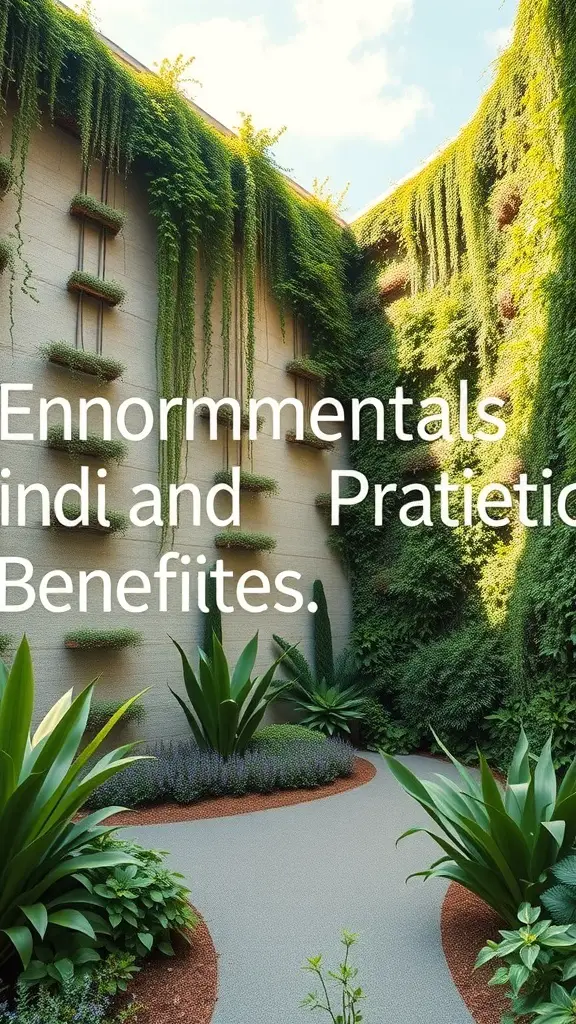
Plant walls, also known as vertical gardens, bring a fresh vibe to any space. They are not just visually appealing; they offer numerous benefits that enhance our environment.
One major perk is improved air quality. Plants naturally filter toxins and release oxygen, making the air we breathe cleaner. This is especially important in urban areas where pollution can be a concern.
Another benefit is the insulation they provide. Plant walls can help regulate temperature, keeping spaces cooler in summer and warmer in winter. This can lead to energy savings and a more comfortable environment.
They also contribute to noise reduction. The layers of plants can absorb sound, making spaces quieter and more serene. This is perfect for busy offices or homes in bustling neighborhoods.
Lastly, plant walls can boost mental health. Being around greenery has been shown to reduce stress and improve mood. A plant wall can create a calming atmosphere, making it a great addition to any home or workspace.
Plant Wall Design for Small Spaces
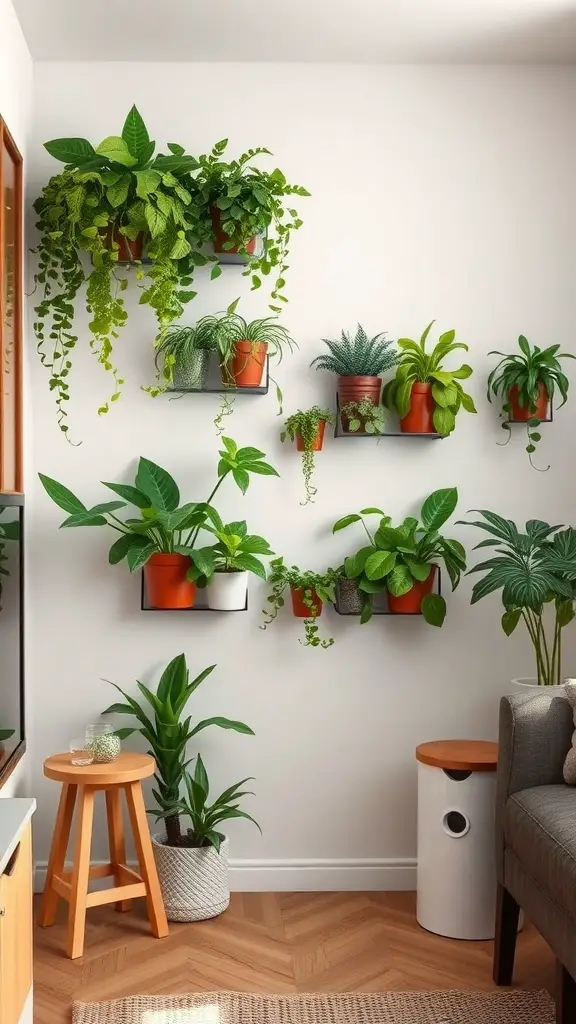
Creating a plant wall in a small space can be a fun and rewarding project. The image shows a vibrant display of various plants arranged on shelves. This setup not only saves floor space but also adds a lively touch to any room.
Using different types of plants can create visual interest. The cascading vines, like pothos or string of hearts, can soften the look and draw the eye upward. Meanwhile, sturdier plants like snake plants or peace lilies can provide structure and balance.
Choosing pots in complementary colors can enhance the overall design. The terracotta pots in the image contrast nicely with the green foliage, creating a warm and inviting atmosphere. Mixing textures, such as ceramic and woven baskets, can also add depth to the display.
Consider the lighting in your space when selecting plants. Some may thrive in bright light, while others prefer shade. This will ensure your plant wall remains healthy and vibrant.
Finally, don’t forget to incorporate shelves that fit your style. Floating shelves or wall-mounted planters can be both functional and stylish. This way, you can personalize your plant wall to reflect your taste while maximizing your small space.