Keeping your goats warm and dry during winter can be stressful, especially when you don’t have a proper shelter. Snow, cold winds, and wet bedding can make life uncomfortable for your animals. The good news is that you don’t need an expensive barn to give them a safe place to rest.
If you’re wondering how to make a goat shelter without spending too much money, a simple wooden structure might be a good option. You can even reuse suitable wood and other materials you already have.
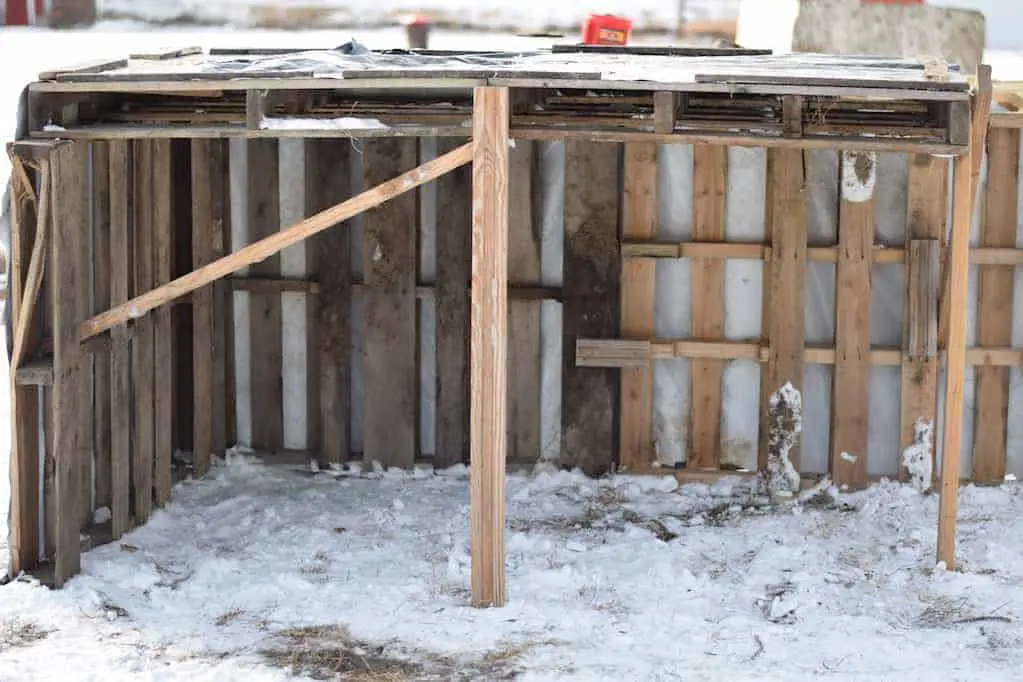
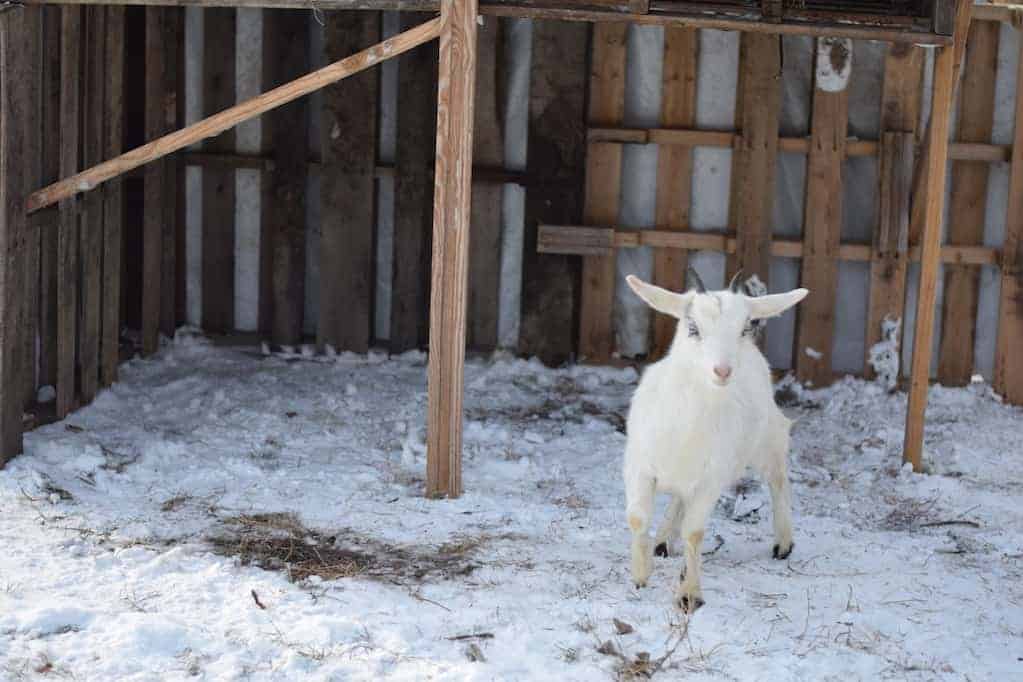
The photos show a basic DIY goat shelter built with wooden boards, upright posts, and a roof. It’s a simple design with an open front, giving goats a place to escape some of the wind and snow.
However, a shelter like this still needs a strong frame, a waterproof roof, proper drainage, and dry bedding. The photos alone cannot confirm that every part of the structure is safe.
In this guide, you’ll learn how to plan and build a similar goat shelter, choose suitable materials, and make it more comfortable for your goats.
How to Plan Your DIY Goat Shelter
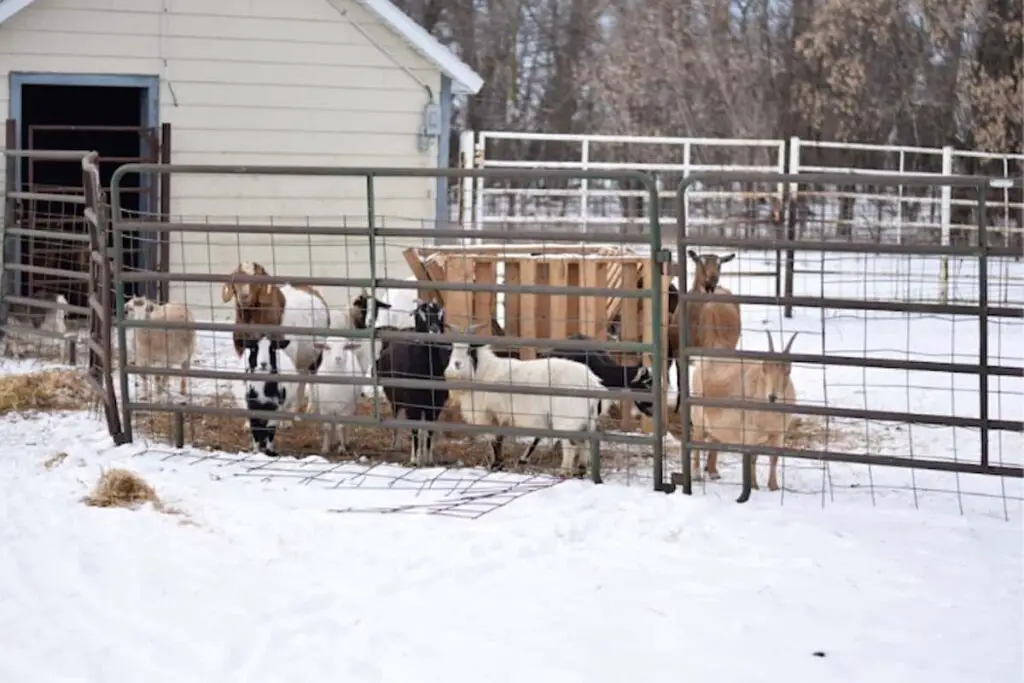
Before you start building, find a dry spot where rainwater and melting snow won’t collect. A shelter built on wet ground can quickly become muddy, even with a good roof.
Choose slightly raised ground with natural drainage. Look at which direction the wind usually blows and plan to face the shelter opening away from strong winds.
You’ll also need enough space for your goats to move around and lie down comfortably. Larger goats need more room than smaller breeds.
For a simple outdoor shelter, a three-sided design can work well in suitable weather conditions. However, you may need extra protection in areas with heavy snow, strong winds, or predators.
Check your local building rules before starting. Even a small farm shelter may need approval.
What Materials Do You Need for a Goat Shelter?
You don’t always need brand new materials to make a goat shelter. Reusing suitable wood can help reduce costs, but safety comes first.
The shelter shown in the photos appears to use reclaimed wooden boards, upright supports, and roofing materials.
Here are the basic supplies you may need:
| Material | Purpose |
|---|---|
| Wooden posts | Support the structure |
| Wooden boards | Build the walls |
| Framing lumber | Support the walls and roof |
| Roofing panels | Keep rain and snow out |
| Exterior screws | Secure the materials |
| Structural brackets | Strengthen connections |
| Suitable anchors | Secure the shelter |
| Straw or wood shavings | Provide comfortable bedding |
You’ll also need a measuring tape, saw, drill, level, work gloves, and safety glasses.
Inspect every piece of reclaimed wood before using it. Avoid rotten boards, exposed nails, and wood with unknown chemical treatments.
The exact amount of lumber and hardware depends on your shelter’s size and the building plan. Don’t guess when choosing materials that support the roof.
How to Make a Goat Shelter Step by Step
A basic wooden shelter doesn’t need a complicated layout. However, each part must be strong enough to handle the weather and everyday use.
The photos show a shelter made with upright wooden posts, wooden wall panels, and a simple roof. Here’s how you can plan a similar structure.
Step 1: Choose and Prepare the Ground
Start by clearing the area where you want to build. Remove rocks, branches, and anything that could hurt your goats.
Check whether water collects there after rain. If the ground stays wet, choose another location or improve the drainage before building.
You may need a compacted base or suitable drainage material, depending on the soil. The goal is to keep water from entering the resting area.
Step 2: Set Up the Wooden Posts
The wooden posts will support your shelter’s frame and roof.
Mark their positions according to your chosen building plan. Make sure the layout is square and that each post stands straight.
Use suitable footings, anchors, and temporary braces to keep everything stable during construction.
The photos show upright posts supporting the front of the shelter. However, they don’t show how the posts are anchored below ground.
For that reason, use a locally suitable structural plan rather than copying the visible connections alone.
Step 3: Attach the Wooden Walls
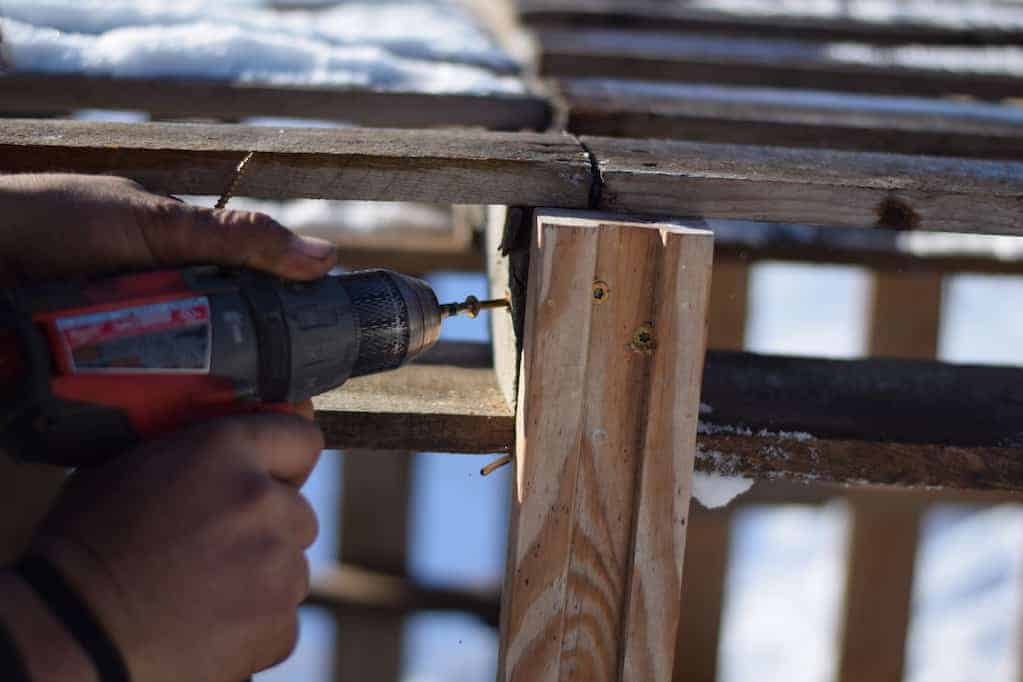
Once the posts are secure, you can start adding the walls.
The shelter in the photos has wooden boards covering the back and sides. This helps block wind while leaving the front open.
Attach the boards to properly supported framing. Check that each board is secure and that the structure has the bracing required by your plan.
If you’re using reclaimed boards, inspect them for cracks, loose nails, and rough edges.
Keep the inside smooth so your goats won’t get scratched while moving around.
Step 4: Install a Strong, Waterproof Roof
A good roof is one of the most important parts of your goat shelter.
It should keep rain and snow away from the resting area. It also needs to handle the wind and snow loads in your location.
The photos show a simple roof made from boards and other materials. However, the images don’t establish whether the roof is waterproof or strong enough for heavy snow.
Use roofing panels suitable for your climate and install them according to the manufacturer’s instructions.
Make sure water drains away from the shelter instead of running inside.
Step 5: Check the Shelter Entrance
An open front makes it easier for goats to enter and leave.
But you need enough room for all your goats to move safely. A narrow entrance can cause problems when larger or more dominant goats block the way.
Check for exposed screws, sharp edges, loose boards, and spaces where a goat’s head or horns could become trapped.
If predators are common in your area, you’ll also need secure fencing or another suitable overnight enclosure.
Step 6: Add Clean, Dry Bedding
Once the shelter is secure, prepare a comfortable resting area.
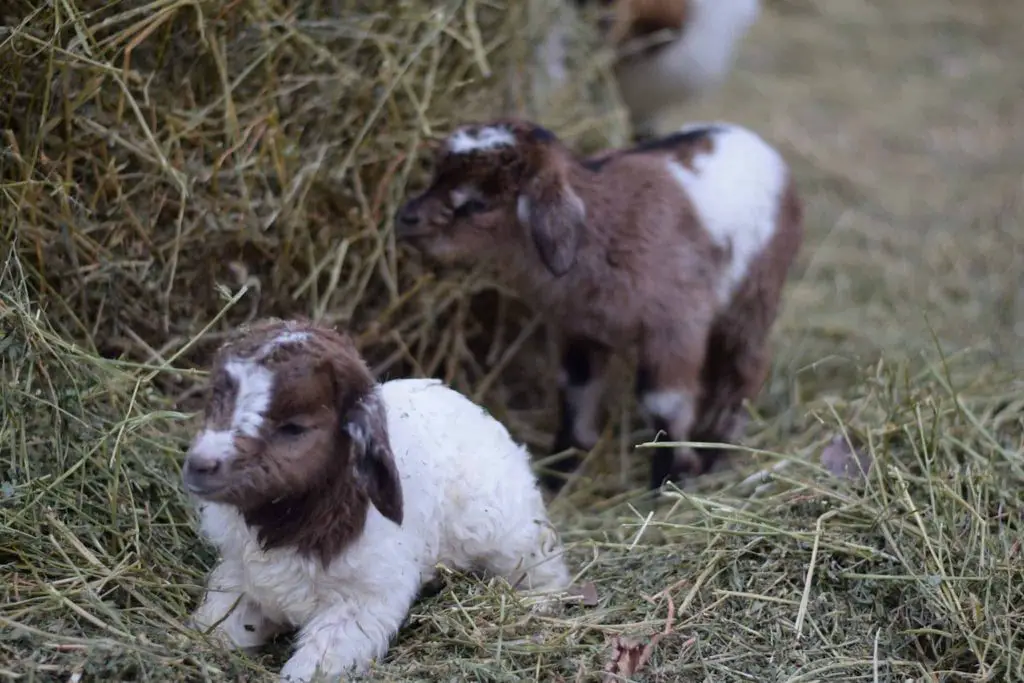
Clean straw or suitable wood shavings can help keep goats off cold, damp ground. Replace wet or heavily soiled bedding whenever needed.
The photos show snow on the ground around the shelter. That makes it especially important to check whether the resting area stays dry during winter.
Place water containers where spills won’t soak the bedding.
Your goats should have somewhere clean and dry to lie down, even when the weather outside is poor.
How to Keep Your Goat Shelter Warm and Dry
A shelter doesn’t need to be completely sealed to protect goats from cold weather.
In fact, blocking every opening can trap moisture and make the air unhealthy.
Keep the resting area protected from direct wind while allowing fresh air to move through the structure.
Check the roof for leaks after heavy rain. Look for damp walls, wet bedding, and water collecting near the entrance.
During winter, remove wet bedding and watch for condensation. In summer, make sure the shelter has shade and enough airflow.
According to Oklahoma State University Veterinary Medicine, simple three sided shelters can provide suitable protection for goats, while clean bedding and good ventilation remain important.
Can You Build a Goat Shelter With Reclaimed Wood?
Yes, reclaimed wood can be useful for a budget friendly shelter.
The structure shown in the photos is a good example of how reused boards can form basic walls.
However, not every old board is safe to use.
Avoid wood that is rotten, badly cracked, or covered with unknown chemicals. Remove exposed nails and other sharp objects.
For roof supports, posts, and other structural parts, use materials that meet the requirements of your building plan.
Saving money is helpful, but a weak roof or unstable frame can put your goats at risk.
How to Maintain Your Goat Shelter
Building the shelter is only the first part. You’ll also need to keep it clean and safe.
Check the bedding each day and remove wet or dirty areas. Make sure your goats have clean water and a dry place to rest.
Inspect the walls, roof, and fasteners regularly. Goats may rub against wooden boards or chew exposed edges.
After heavy rain, check for leaks and standing water. After strong winds or snowfall, look for loose roofing and structural damage.
Fix problems as soon as you notice them. Small repairs are usually easier than replacing damaged sections later.
Final Thoughts
Learning how to make a goat shelter can help you provide a safe resting place without building a large barn.
The wooden shelter shown in these photos offers a simple starting idea. Its open front, wooden walls, and basic roof show how a small structure can provide weather protection.
But don’t copy the design without checking its strength and safety. Choose a dry location, use suitable materials, secure the frame, and install a reliable roof.
Most importantly, keep the bedding dry and give your goats enough room to rest comfortably.
Start by measuring your available space and choosing a building plan that suits your goats and local weather.