Planting around a chicken coop takes more planning than filling an ordinary flower bed.
Scratching feet, regular foot traffic, and the need for easy cleaning can make delicate borders difficult to maintain. Plants also need to suit the available sunlight, soil, and space.
A thoughtful layout can bring color to the coop area while keeping paths clear and young plants protected. Separating ornamental beds from areas intended for foraging makes the garden easier to manage.
The approaches below range from compact flower borders to taller planting along fences. Use these flowers for chicken gardens as a starting point, checking each species before allowing your flock access.
Save this article for later! 👇👇

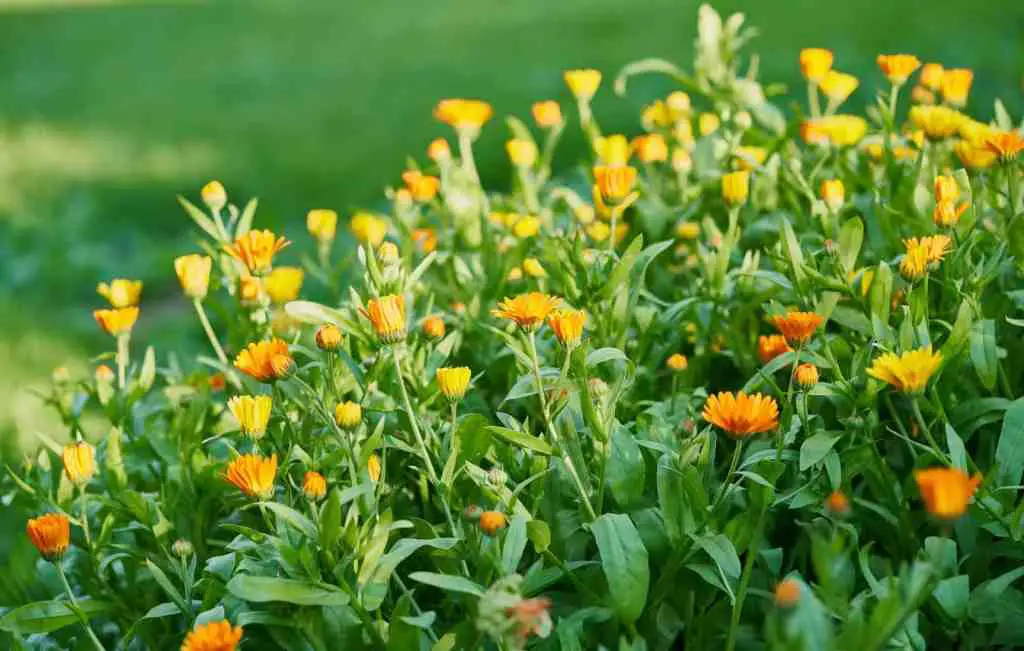
Calendula
- Botanical Name: Calendula officinalis
- Sun Requirements: Full sun to partial shade
- Height: 12 to 24 inches
- Hardiness Zones: 2 to 11
- Benefits: Rich in antioxidants, boosts immune health, deepens egg yolk color.
- Growing Tips: Thrives in sunny spots, tolerates most soils, reseeds easily for endless blooms.
Vibrant golden and orange blooms make calendula a cheerful addition to any chicken run. These bright petals pack natural pigments that enrich egg yolks and keep feathers glossy.
Hens love pecking at the fresh flower heads for a healthy snack. You can scatter seeds in sunny garden beds for fast growth and continuous flowers all season long.
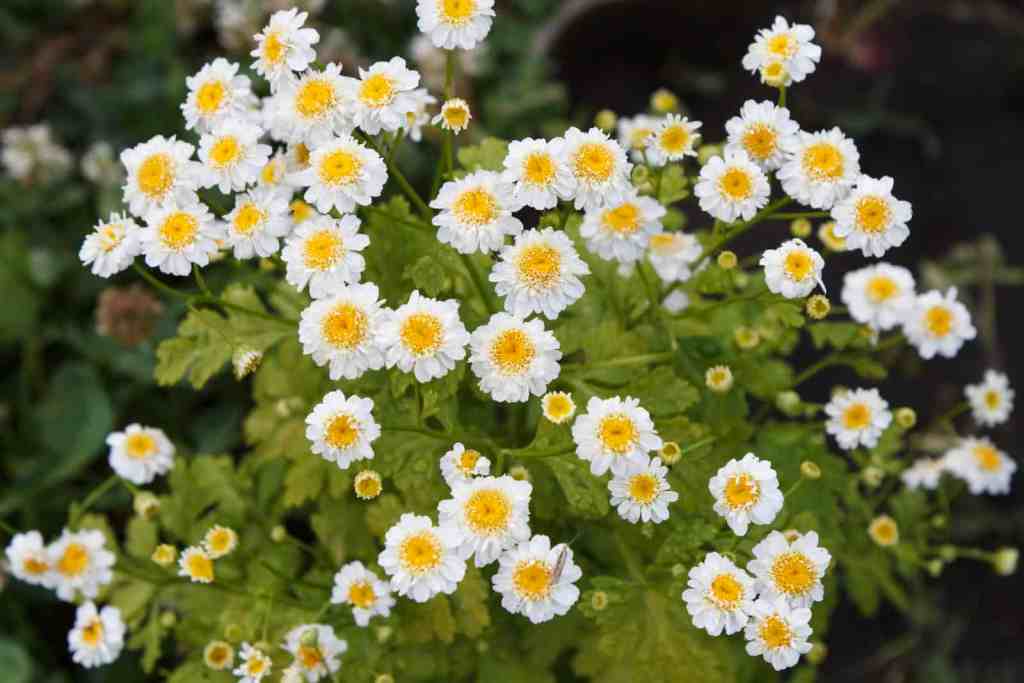
Feverfew
- Botanical Name: Tanacetum parthenium
- Sun Requirements: Full sun to partial shade
- Height: 12 to 36 inches
- Hardiness Zones: 5 to 9
- Benefits: Repels insects naturally, calms stressed birds, reduces coop odors.
- Growing Tips: Grows well in average soil, tolerates drought, spreads freely by seed.
Clusters of dainty white petals with sunny yellow centers give feverfew a classic daisy look. Strong herbal aromas keep mites and flies away from your coop area.
Flocks enjoy nibbling the foliage while resting in the shade of these bushy perennials. Plant clumps along the outside of your run for easy care and lasting pest control.
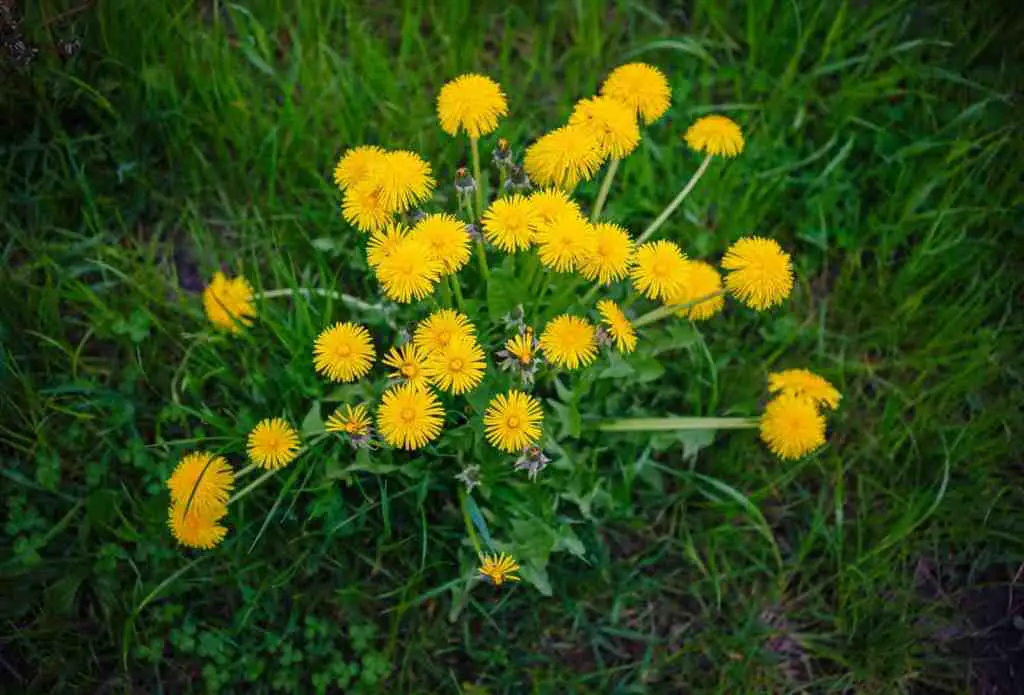
Dandelion
- Botanical Name: Taraxacum officinale
- Sun Requirements: Full sun to partial shade
- Height: 2 to 18 inches
- Hardiness Zones: 3 to 9
- Benefits: High in vitamins A and K, supports liver function, enriches yolk color.
- Growing Tips: Thrives anywhere without effort, needs zero fertilizer, bounces back fast after grazing.
Sunny yellow blooms turn ordinary lawn grass into a free salad bar for backyard chickens. Every single part of this resilient plant delivers rich nutrients and natural minerals.
Birds eagerly devour the leaves, stems, and bright blossoms throughout spring and summer. Leave chemical sprays off your yard so your flock can forage safely every morning.
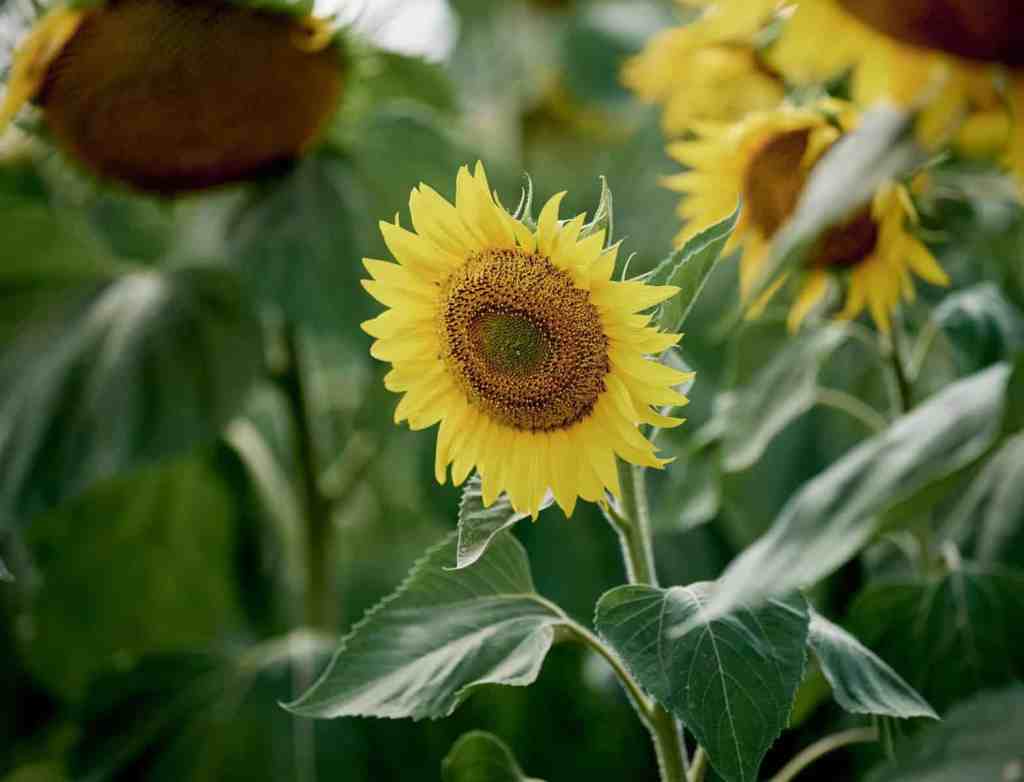
Sunflower
- Botanical Name: Helianthus annuus
- Sun Requirements: Full sun
- Height: 24 to 144 inches
- Hardiness Zones: 2 to 11
- Benefits: Delivers healthy fats and protein, supports feather growth, provides summer shade.
- Growing Tips: Needs direct sunlight, prefers rich soil, requires sturdy support for giant varieties.
Towering golden heads create natural shade umbrellas over sunny chicken runs during hot months. Once the petals drop, the large seed centers become an exciting foraging puzzle.
Hens love pecking out the nutritious black seeds for extra energy during fall molting. Sow seeds along fence lines in spring for a dramatic backdrop and autumn treats.
Nasturtium
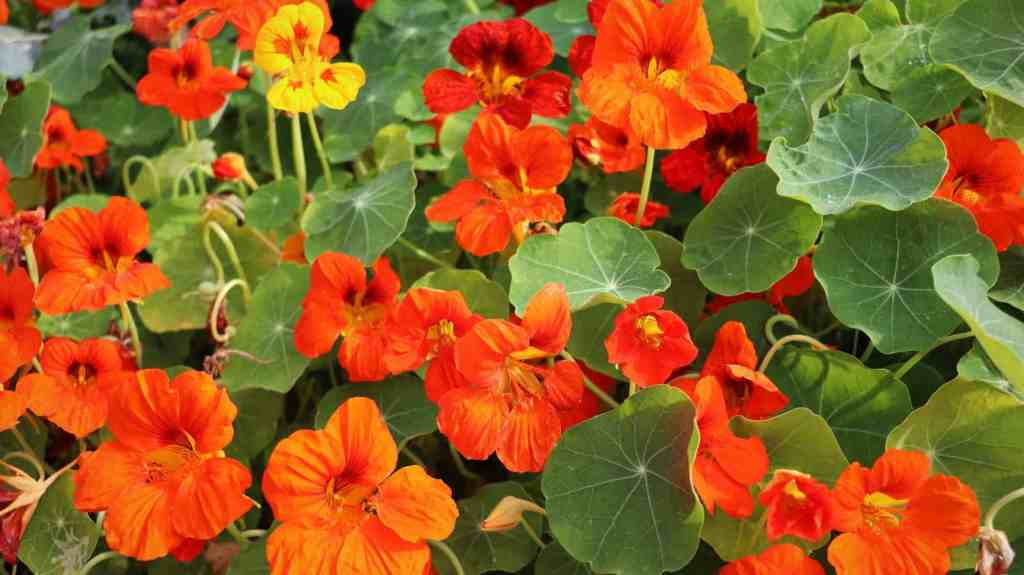
- Botanical Name: Tropaeolum majus
- Sun Requirements: Full sun to partial shade
- Height: 12 to 72 inches
- Hardiness Zones: 9 to 11 (grown as an annual elsewhere)
- Benefits: Acts as a natural dewormer, boosts respiratory health, repels garden pests.
- Growing Tips: Prefers poor to average soil, blooms best without fertilizer, trails nicely over beds.
Fiery orange, red, and yellow blossoms bring a bold splash of color around coop borders. Peppery leaves and flowers offer natural antibacterial properties that keep flocks thriving.
Chickens happily munch on both the round green leaves and bright trumpet blooms. Tuck seeds into hanging baskets or raised beds near the run for cascading beauty.
Hibiscus
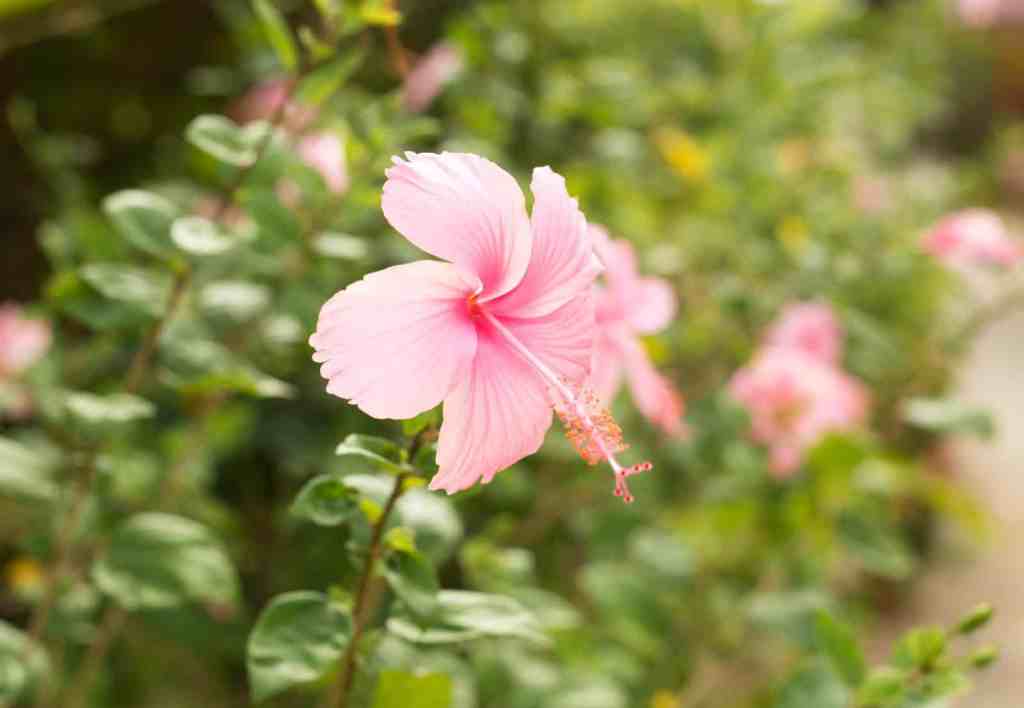
- Botanical Name: Hibiscus rosa-sinensis
- Sun Requirements: Full sun to partial shade
- Height: 36 to 96 inches
- Hardiness Zones: 9 to 11 (hardy varieties grow in zones 4 to 9)
- Benefits: Packed with vitamin C, supports hydration in summer heat, promotes shiny plumage.
- Growing Tips: Loves warm weather, needs regular watering, thrives in rich, moist soil.
Large tropical pink petals offer a refreshing, juicy snack for hens on warm afternoons. Rich antioxidants in the blooms help support healthy circulation and vibrant feathers.
Flocks quickly strip fallen flowers from the ground beneath these lush green shrubs. Grow hardy varieties in garden beds or keep tropical types in patio pots near your coop.
Sweet Violet
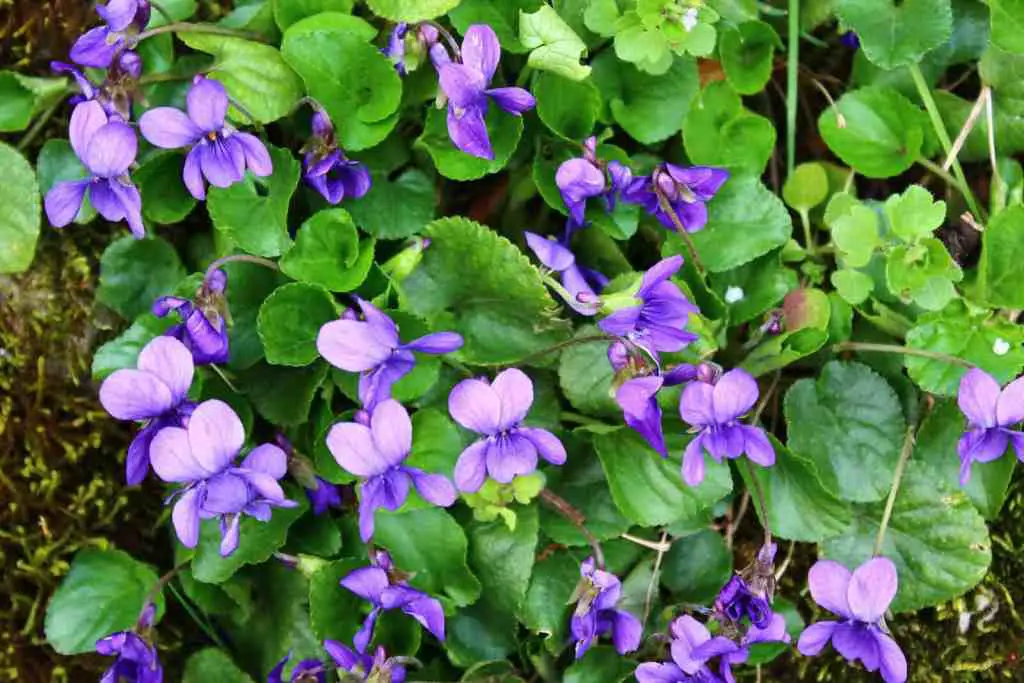
- Botanical Name: Viola odorata
- Sun Requirements: Partial shade to full shade
- Height: 4 to 8 inches
- Hardiness Zones: 4 to 9
- Benefits: Supplies vitamins A and C, soothes inflammation, thrives in shady runs.
- Growing Tips: Spreads into a lush groundcover, loves cool damp spots, tolerates heavy shade.
Delicate purple blooms and heart-shaped leaves carpet shady corners where grass struggles to grow. Both the sweet blossoms and tender greens make safe, nutrient-dense forage.
Chickens enjoy scratching through this low-growing perennial for hidden bugs and fresh leaves. Plant clumps under trees or along the north side of your coop for effortless groundcover.
Johnny Jump Up
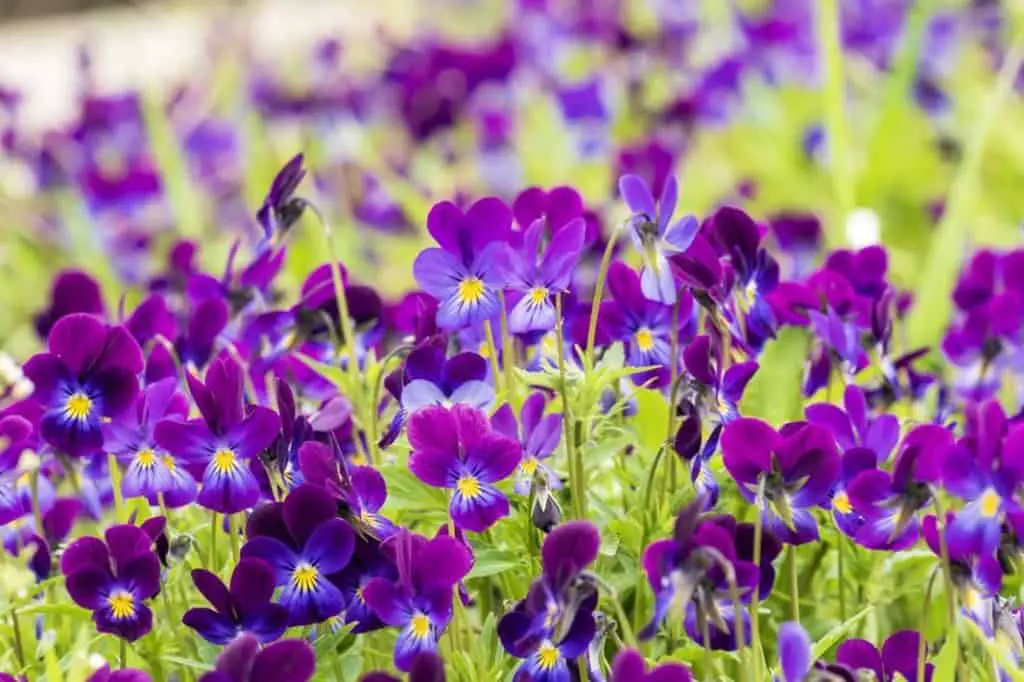
- Botanical Name: Viola tricolor
- Sun Requirements: Full sun to partial shade
- Height: 6 to 12 inches
- Hardiness Zones: 4 to 8
- Benefits: Rich in rutin and antioxidants, supports capillary strength, adds winter color.
- Growing Tips: Loves cool spring and fall weather, self-seeds reliably, grows well in containers.
Cheerful purple and yellow faces brighten garden borders even during chilly weather. These hardy little pansy relatives pack plenty of wholesome nutrients into tiny petals.
Hens peck happily at the colorful blooms without harming the tough root systems. Scatter seeds in cool soil early in the season for months of charming flowers.
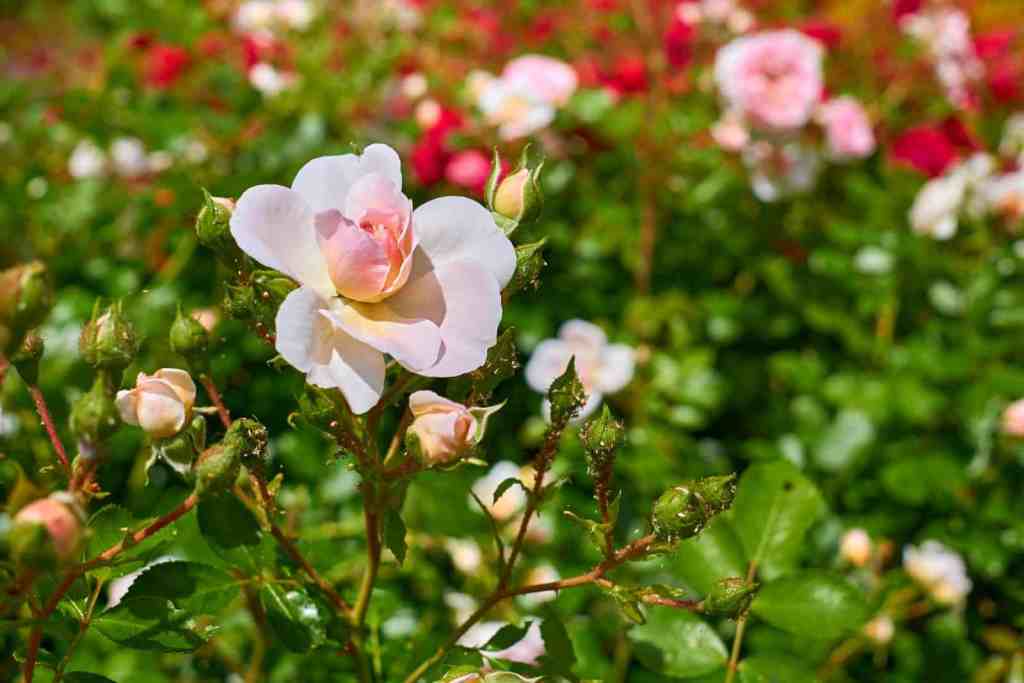
Rose
- Botanical Name: Rosa
- Sun Requirements: Full sun
- Height: 12 to 96 inches
- Hardiness Zones: 3 to 10
- Benefits: High in vitamin C, supports immune defense, provides safe autumn rosehips.
- Growing Tips: Needs six hours of sun, prefers deep watering, thrives with annual pruning.
Soft blush petals and fragrant blooms turn pesticide-free rose bushes into gourmet chicken treats. Fallen petals scatter across the ground like confetti for your flock to gather.
Autumn brings plump rosehips loaded with extra vitamins for winter wellness. Always skip chemical sprays and choose thornless or tall varieties for worry-free foraging.
Bee Balm
- Botanical Name: Monarda didyma
- Sun Requirements: Full sun to partial shade
- Height: 24 to 48 inches
- Hardiness Zones: 4 to 9
- Benefits: Supports respiratory wellness, attracts pollinators, offers natural antiseptic oils.
- Growing Tips: Needs good air circulation, prefers moist soil, divides easily every few years.
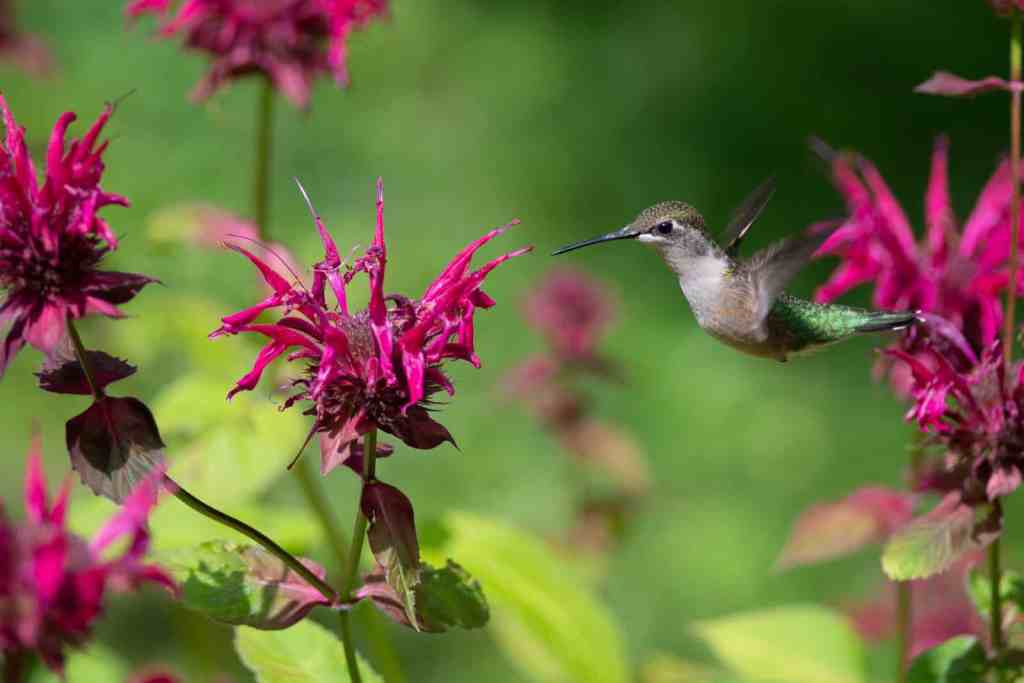
Shaggy magenta blooms draw hummingbirds and bees while offering herbal benefits to backyard birds. Crushed leaves release a pleasant minty scent that helps freshen coop surroundings.
Chickens nibble the bright petals and aromatic foliage for a gentle respiratory boost. Plant clumps in sunny borders where both pollinators and poultry can enjoy them.
Borage
- Botanical Name: Borago officinalis
- Sun Requirements: Full sun to partial shade
- Height: 18 to 36 inches
- Hardiness Zones: 2 to 11
- Benefits: Reduces stress, supports adrenal health, attracts helpful garden bees.
- Growing Tips: Tolerates dry soil, grows rapidly from seed, returns each year by self-seeding.
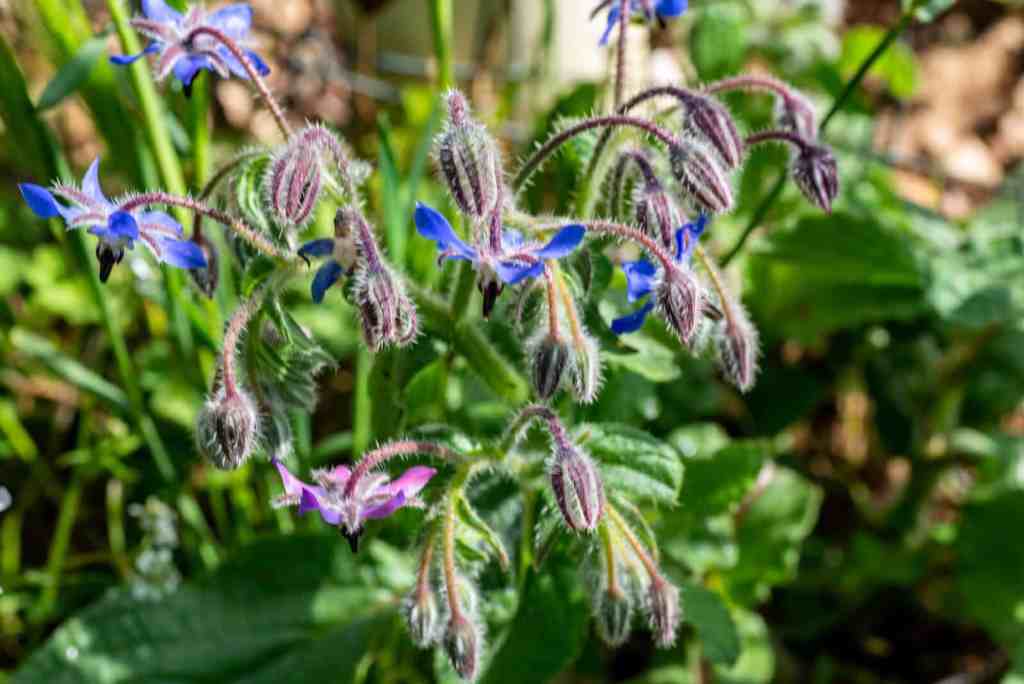
Star-shaped blue flowers dangle from fuzzy stems and taste lightly of crisp cucumber. Cooling properties in the blossoms help keep flocks calm during hot summer days.
Birds love plucking the bright blue stars right off the lower branches. Give this vigorous herb plenty of space near the run for nonstop blooms and happy hens.
Zinnia
- Botanical Name: Zinnia elegans
- Sun Requirements: Full sun
- Height: 12 to 48 inches
- Hardiness Zones: 2 to 11
- Benefits: Offers safe foraging enrichment, adds vibrant color, attracts helpful pollinators.
- Growing Tips: Loves hot summer days, grows fast from seed, blooms better with regular deadheading.
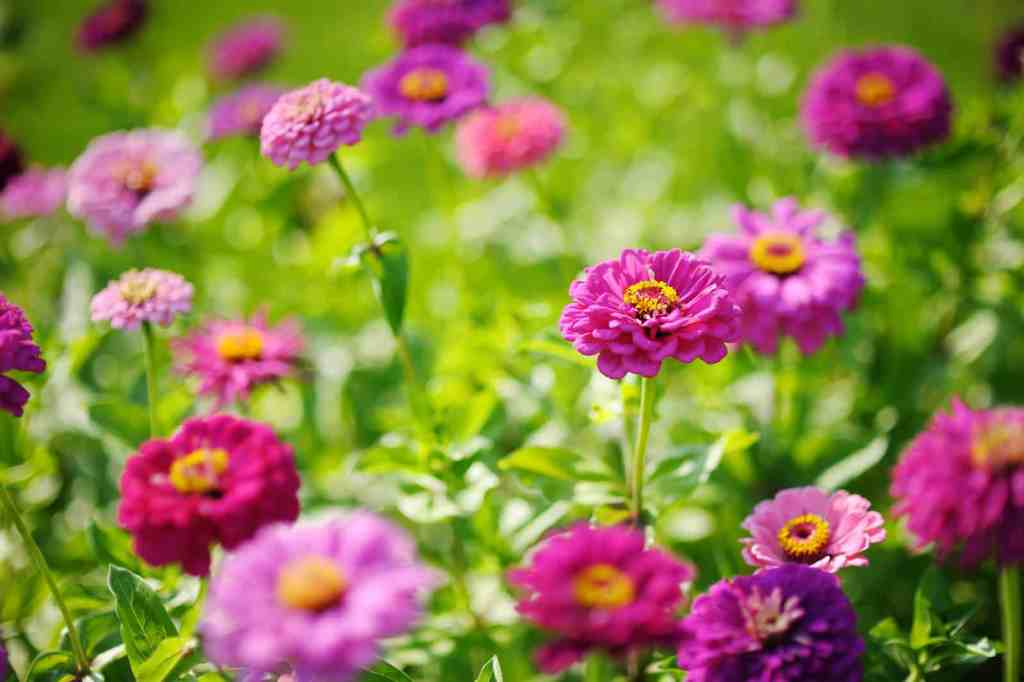
Bold magenta and pink pompon blooms stand tall on sturdy green stems all summer. Chickens enjoy pecking at the layered petals while hunting for insects hiding beneath the leaves.
Toss fresh flower heads into the run for instant boredom relief on warm afternoons. Sow seeds directly in sunny soil once spring frosts pass for effortless, colorful growth.
Lavender
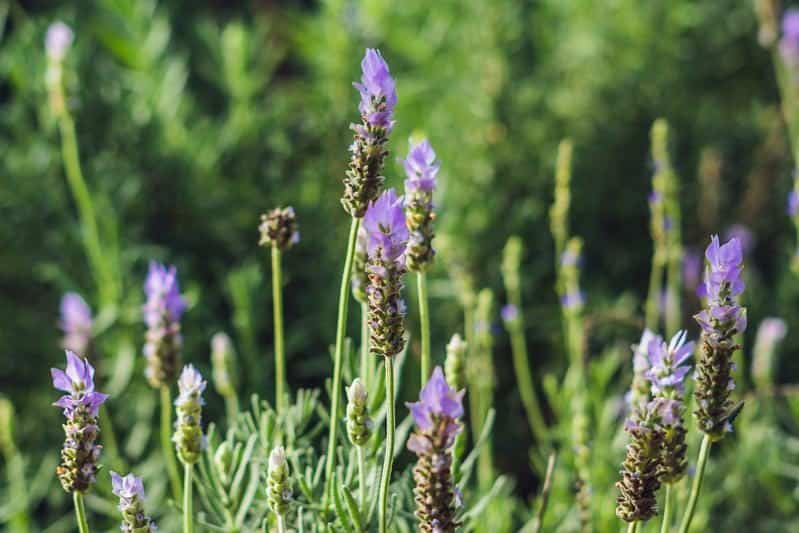
- Botanical Name: Lavandula angustifolia
- Sun Requirements: Full sun
- Height: 12 to 36 inches
- Hardiness Zones: 5 to 9
- Benefits: Calms anxious hens, repels mites and flies, freshens nesting boxes.
- Growing Tips: Needs sandy or rocky drainage, dislikes wet roots, thrives on minimal watering.
Fragrant purple flower spikes sway above silvery green foliage along sunny garden borders. Natural calming oils help soothe stressed birds during loud weather or flock introductions.
Dry the trimmed stems and tuck them into nesting boxes for a clean, sweet scent. Plant bushes in dry, sunny spots outside the coop where roots stay well drained.
Coneflower
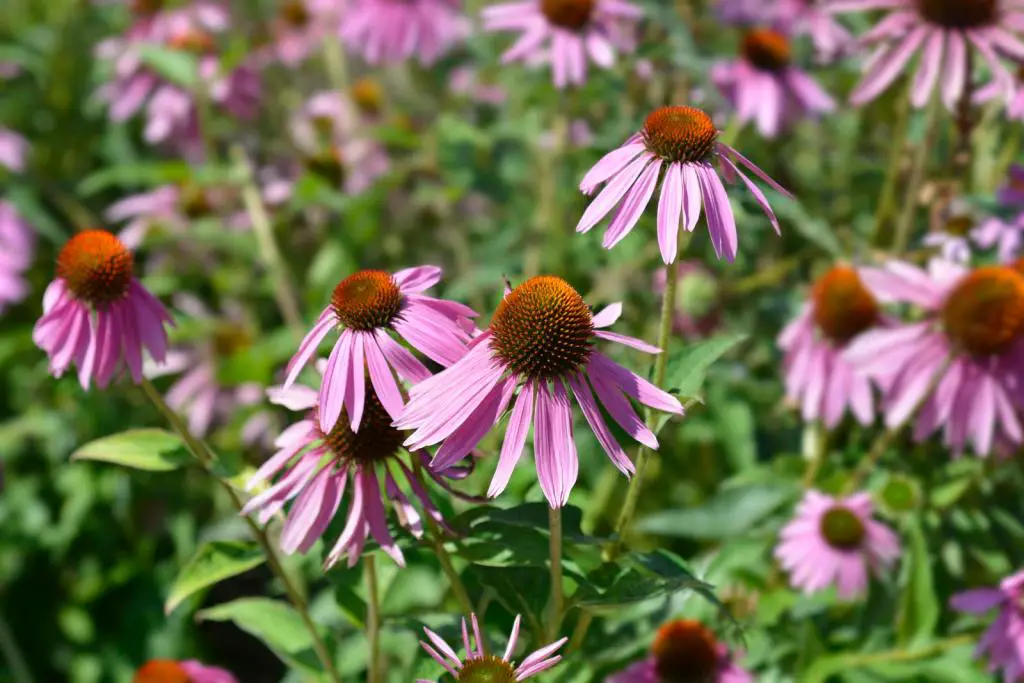
- Botanical Name: Echinacea purpurea
- Sun Requirements: Full sun to partial shade
- Height: 24 to 48 inches
- Hardiness Zones: 3 to 9
- Benefits: Strengthens immune defense, supports respiratory wellness, provides autumn seed heads.
- Growing Tips: Tolerates heat and drought, thrives in average soil, returns reliably every spring.
Striking pink petals droop around spiky copper centers in late summer gardens. Herbal compounds inside the plant help boost flock immunity against seasonal sniffles.
Leave dried seed cones standing in fall so hens can peck out the nutritious kernels. Divide mature clumps every few years to spread this tough perennial around your yard.
White Clover
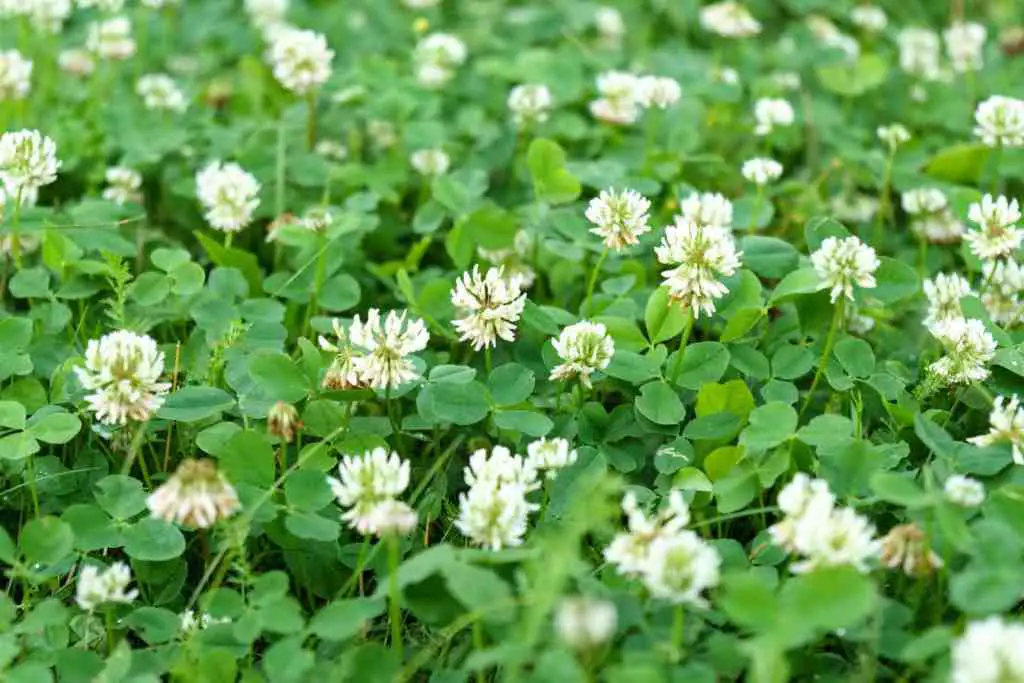
- Botanical Name: Trifolium repens
- Sun Requirements: Full sun to partial shade
- Height: 4 to 8 inches
- Hardiness Zones: 3 to 10
- Benefits: Delivers high plant protein, enriches yolk nutrition, withstands heavy scratching.
- Growing Tips: Fixes nitrogen in poor soil, spreads rapidly, stays green through summer heat.
Lush carpets of three-leaf greens and creamy white puffballs create an unbeatable pasture snack. High protein levels in the tender leaves support strong egg production and healthy growth.
Flocks graze happily on both the sweet blossoms and the resilient groundcover all day. Broadcast clover seeds across bare run spots to build a self-healing living lawn.
Candytuft
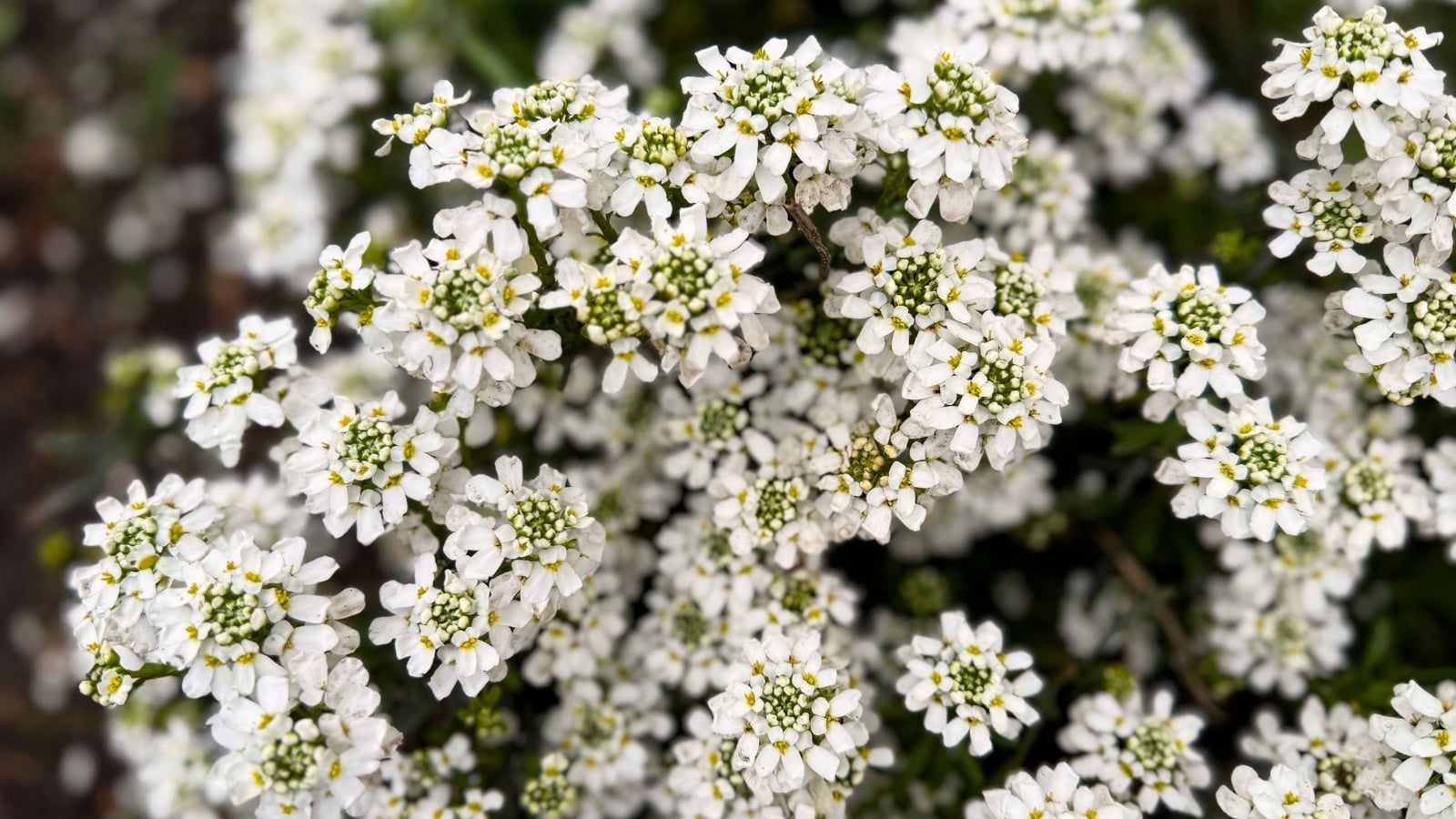
- Botanical Name: Iberis sempervirens
- Sun Requirements: Full sun
- Height: 6 to 12 inches
- Hardiness Zones: 3 to 8
- Benefits: Safe foraging snack, provides natural shade, attracts helpful bugs for hens to eat.
- Growing Tips: Plant in drained soil, trim after blooming, thrives along coop borders.
Candytuft produces dense clusters of bright white blossoms with tiny green and yellow centers. Dense evergreen foliage creates a low groundcover that your flock can safely nibble throughout spring.
Hens love pecking at the crisp white petals and hunting insects hiding beneath the leaves. Tough and drought tolerant, this perennial grows easily in sunny spots without needing heavy maintenance.
American Beautyberry
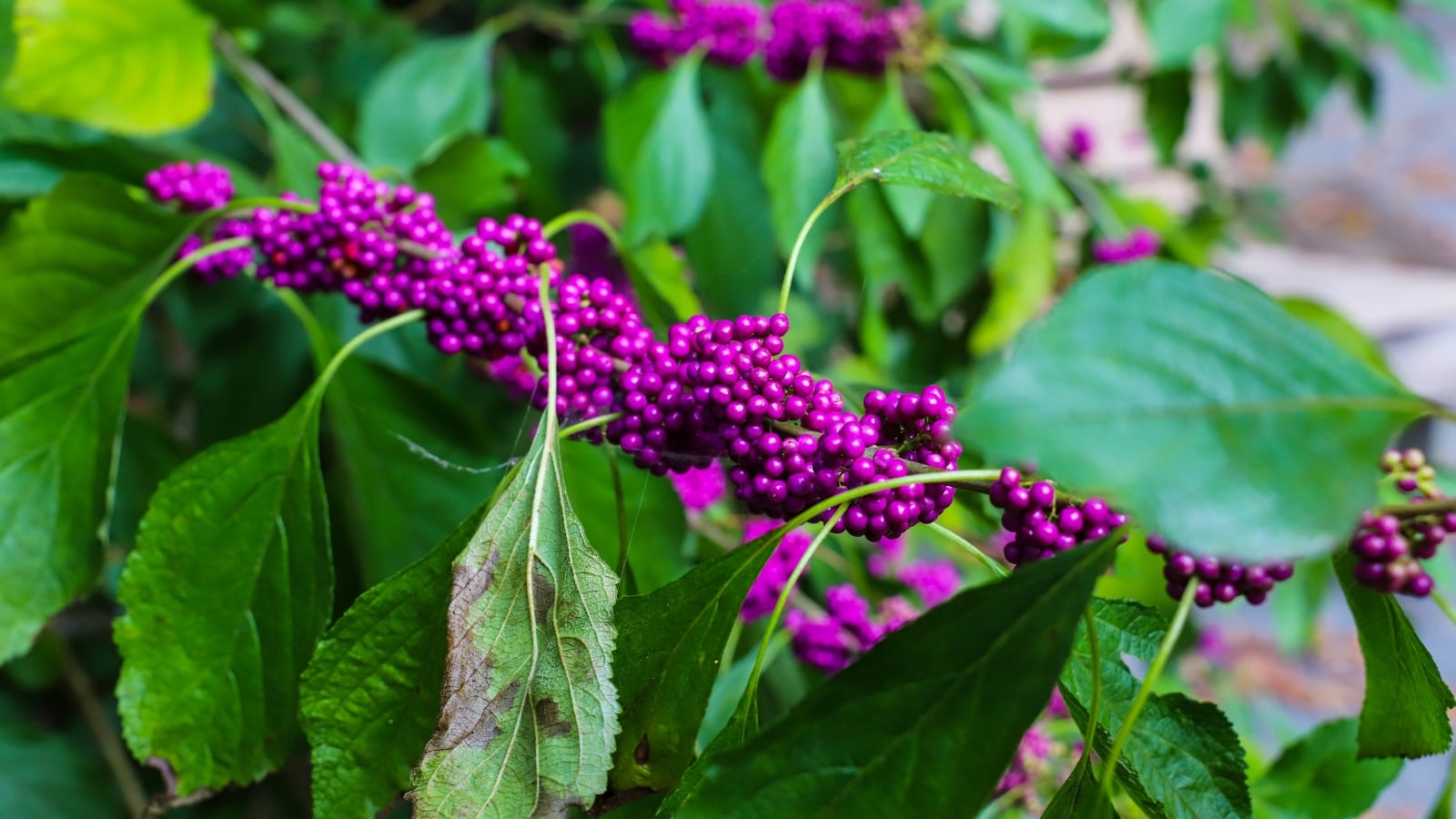
- Botanical Name: Callicarpa americana
- Sun Requirements: Full sun to partial shade
- Height: 3 to 6 feet
- Hardiness Zones: 6 to 10
- Benefits: Offers winter foraging berries, provides shady cover, attracts insects for birds.
- Growing Tips: Plant in moist soil, prune in late winter, tolerates partial shade.
American beautyberry grows arching green branches packed with glossy magenta fruit clusters. Birds eagerly peck these bright purple berries straight off the stems during autumn.
Broad leaves create a cool canopy that shields your flock from afternoon heat. Resilient and adaptable, this native shrub thrives along fence lines without special care.
Bee Balm
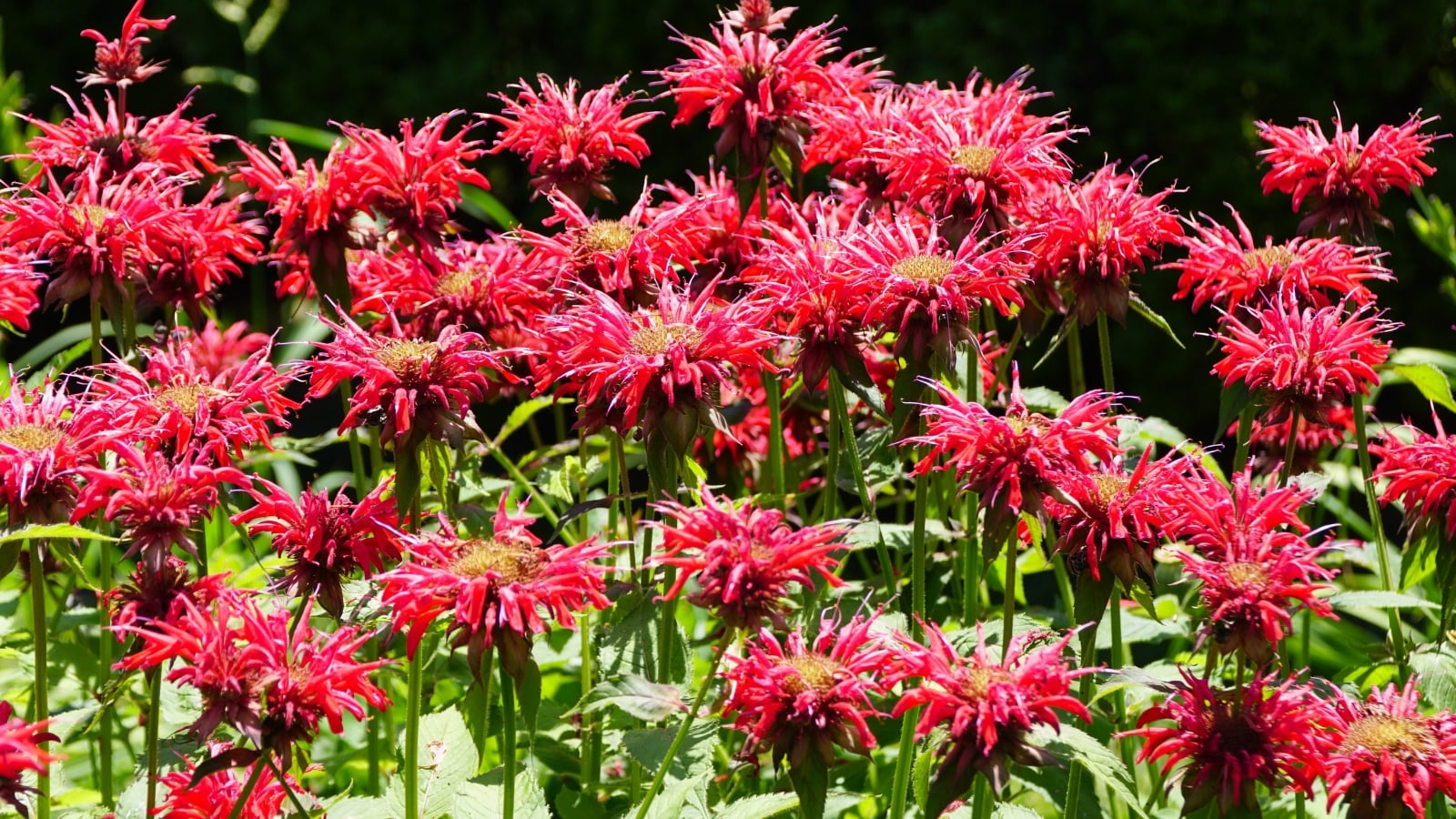
- Botanical Name: Monarda didyma
- Sun Requirements: Full sun to partial shade
- Height: 2 to 4 feet
- Hardiness Zones: 4 to 9
- Benefits: Supports respiratory health, deters coop pests, offers aromatic leaves.
- Growing Tips: Space plants for airflow, divide clumps every few years, keep soil moist.
Bee balm displays spiky red flower heads with shaggy petals and golden centers. Fragrant foliage releases a pleasant minty scent when brushing against passing hens.
Chickens enjoy nibbling the vibrant scarlet blooms while hunting visiting pollinators. Hardy and fast growing, this perennial brings bold color to sunny garden borders.
Columbine
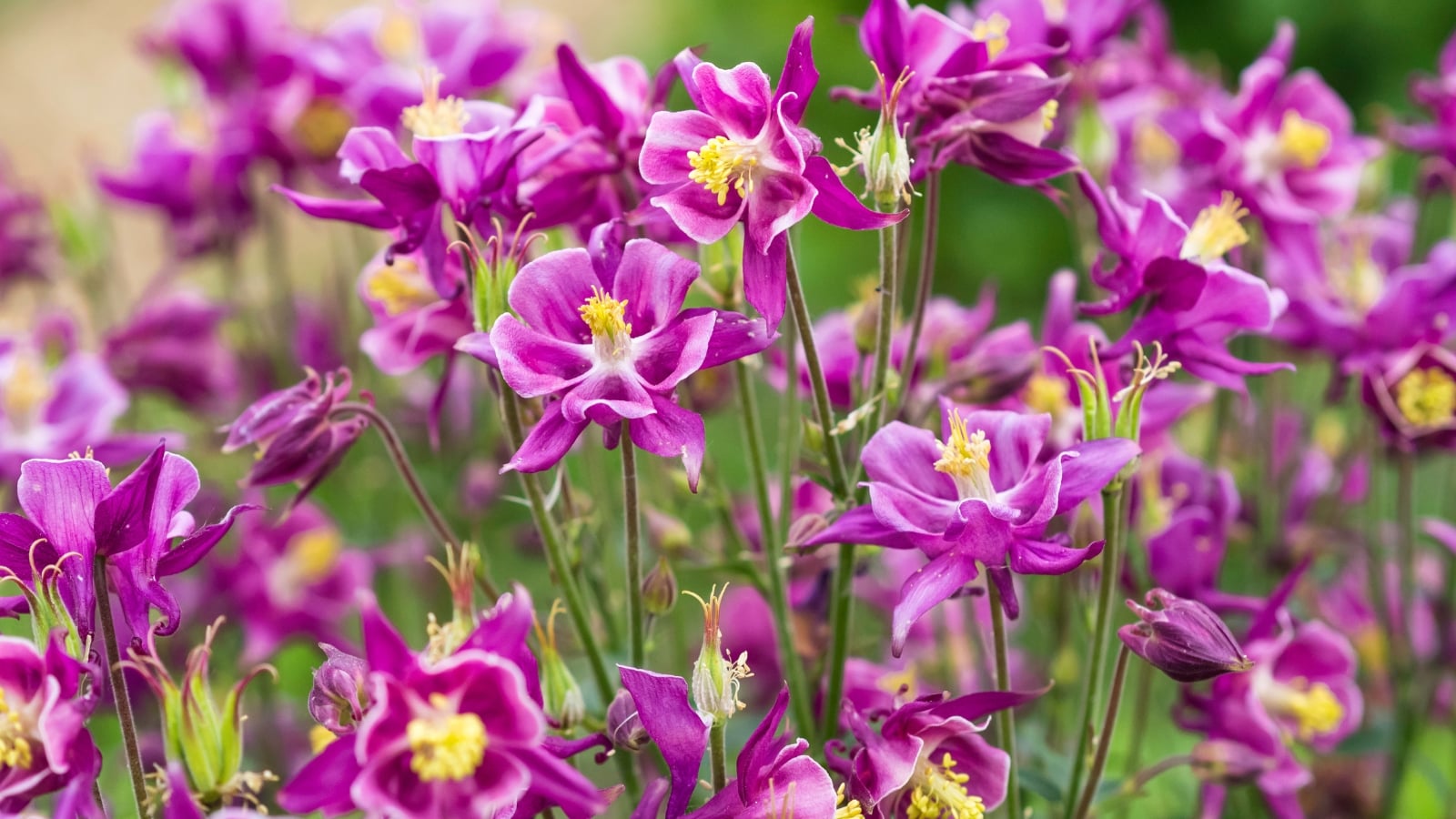
- Botanical Name: Aquilegia vulgaris
- Sun Requirements: Full sun to partial shade
- Height: 1 to 3 feet
- Hardiness Zones: 3 to 8
- Benefits: Provides safe nectar blooms, adds vertical beauty, self seeds easily.
- Growing Tips: Sow in rich soil, water during dry spells, tolerates light woodland shade.
Columbine features nodding purple blossoms with delicate white rims and bright yellow stamens. Slender green stems hold these spurred flowers gracefully above soft foliage.
Flocks safely peck at the fallen petals and explore around the base. Easy to establish, this charming perennial returns reliably each spring.
Coneflower
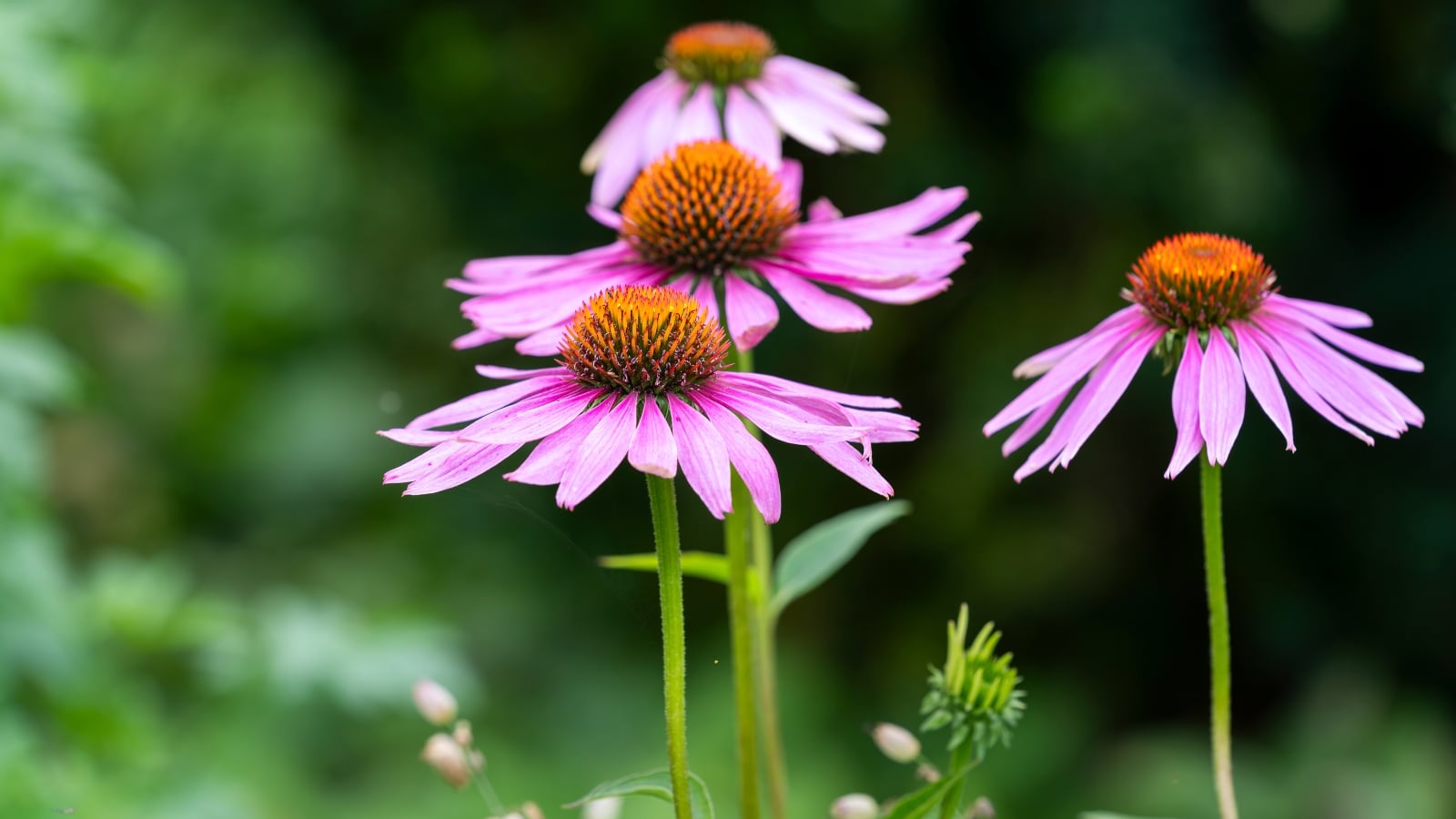
- Botanical Name: Echinacea purpurea
- Sun Requirements: Full sun
- Height: 2 to 4 feet
- Hardiness Zones: 3 to 9
- Benefits: Boosts immune function, supplies nutritious winter seeds, resists drought.
- Growing Tips: Leave seed heads standing for fall, plant in drained soil, divide mature clumps.
Coneflower stands tall with drooping pink petals surrounding a spiky orange central cone. Sturdy green stalks keep the blooms upright through summer breezes.
Hens love pecking the rich seeds directly from mature flower heads. Tough and low maintenance, this perennial thrives in sunny yards with minimal watering.
Goldenrod
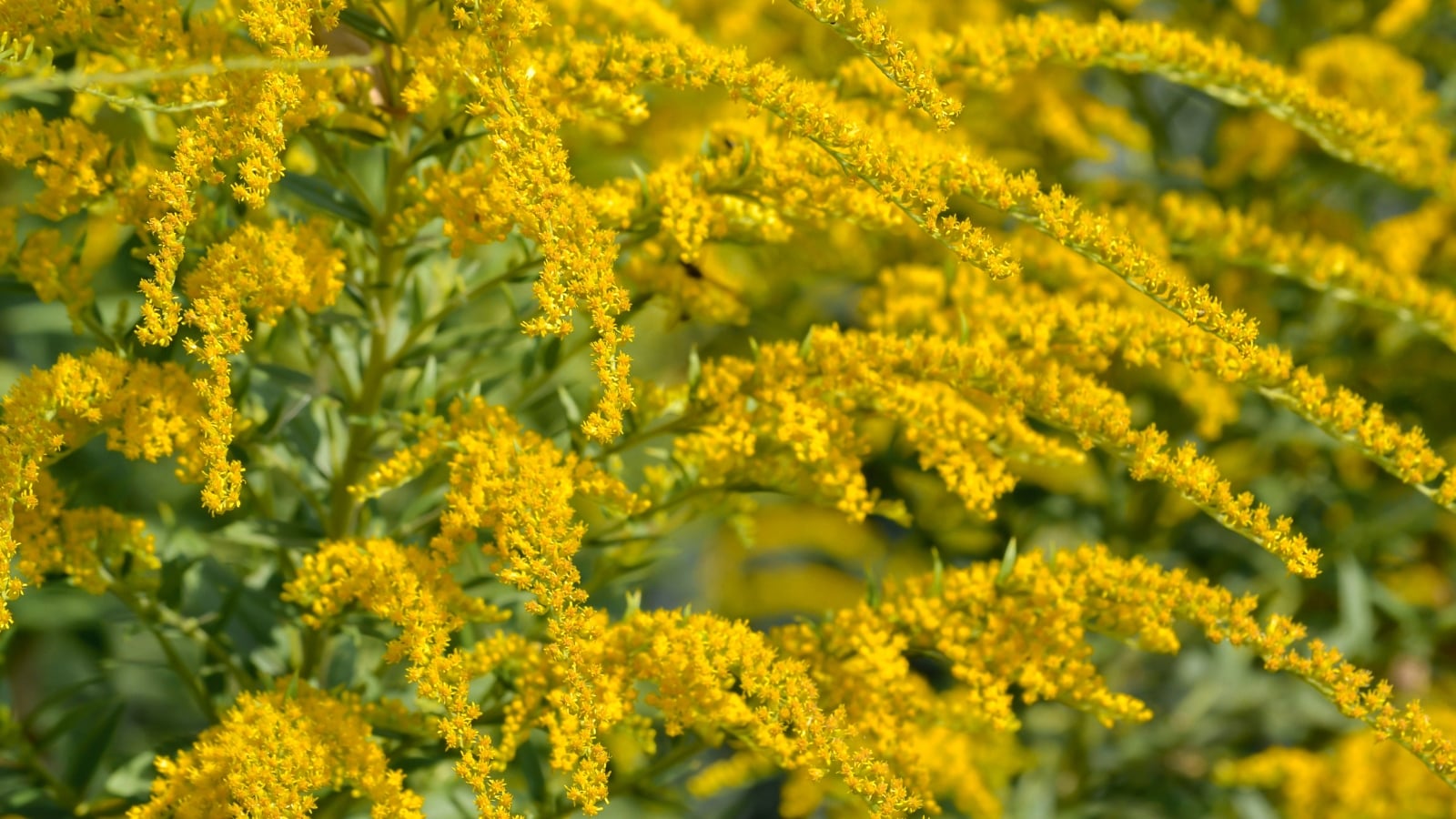
- Botanical Name: Solidago canadensis
- Sun Requirements: Full sun
- Height: 2 to 5 feet
- Hardiness Zones: 3 to 9
- Benefits: Attracts abundant insects, offers late season foraging, supports natural vitality.
- Growing Tips: Give plenty of room to spread, thrives in poor soil, cut back in winter.
Goldenrod arches gracefully with feathery plumes of tiny bright yellow flowers. Narrow green leaves line the stems beneath the dense golden clusters.
Your flock will happily feast on the numerous bugs drawn to the nectar. Rugged and self sufficient, this wildflower brightens coop edges in late summer.
Peony
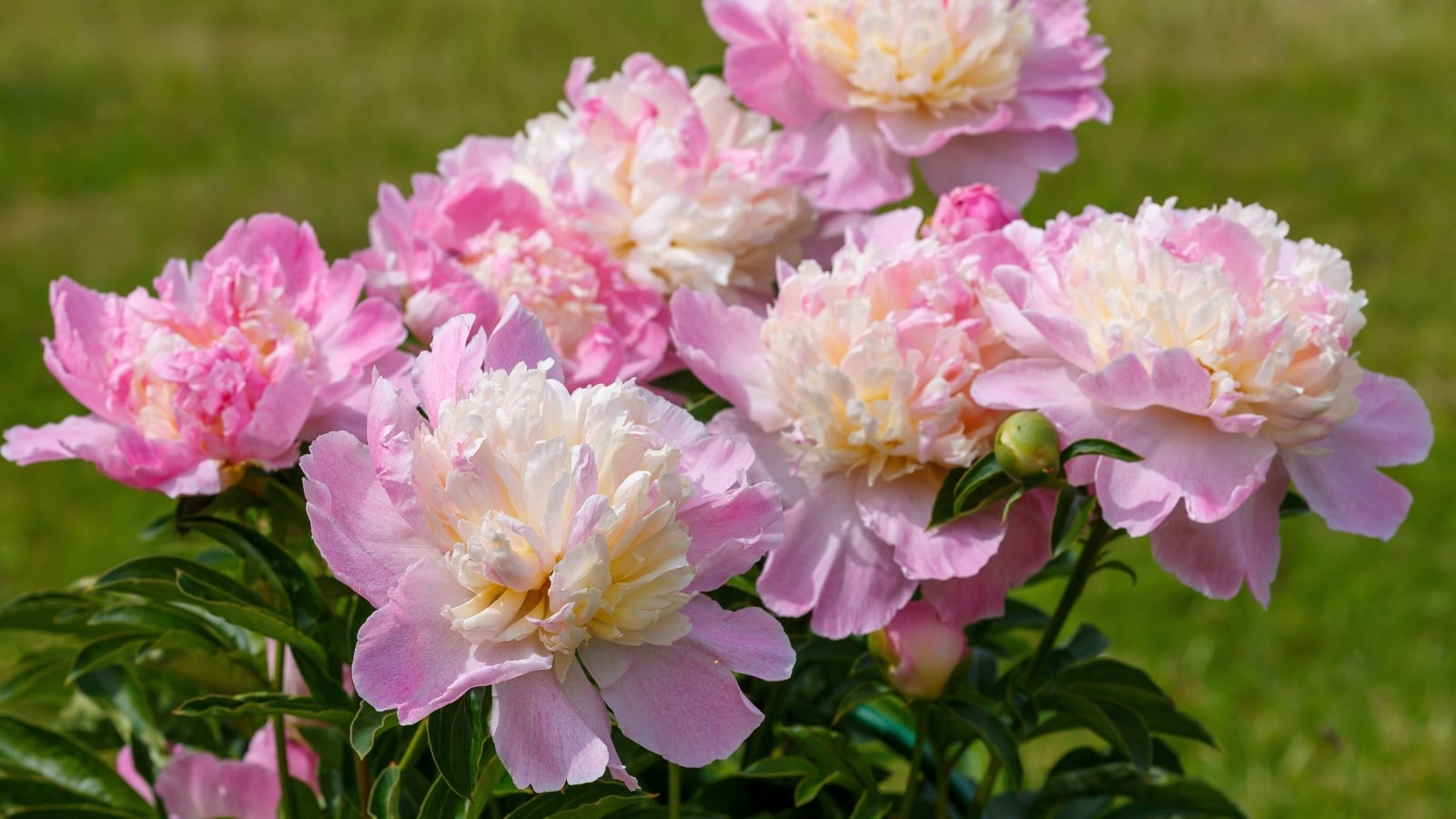
- Botanical Name: Paeonia lactiflora
- Sun Requirements: Full sun
- Height: 2 to 3 feet
- Hardiness Zones: 3 to 8
- Benefits: Offers lush edible petals, provides low shade, lives for decades.
- Growing Tips: Plant eyes shallowly, support heavy blooms with stakes, avoid moving roots.
Peony showcases massive ruffled blooms blending soft pink outer petals with creamy white centers. Glossy dark green foliage forms a dense mound beneath the heavy flowers.
Chickens enjoy pecking fallen petals and resting in the cool shade below. Long lived and reliable, this classic perennial grows stronger every year.
Yarrow
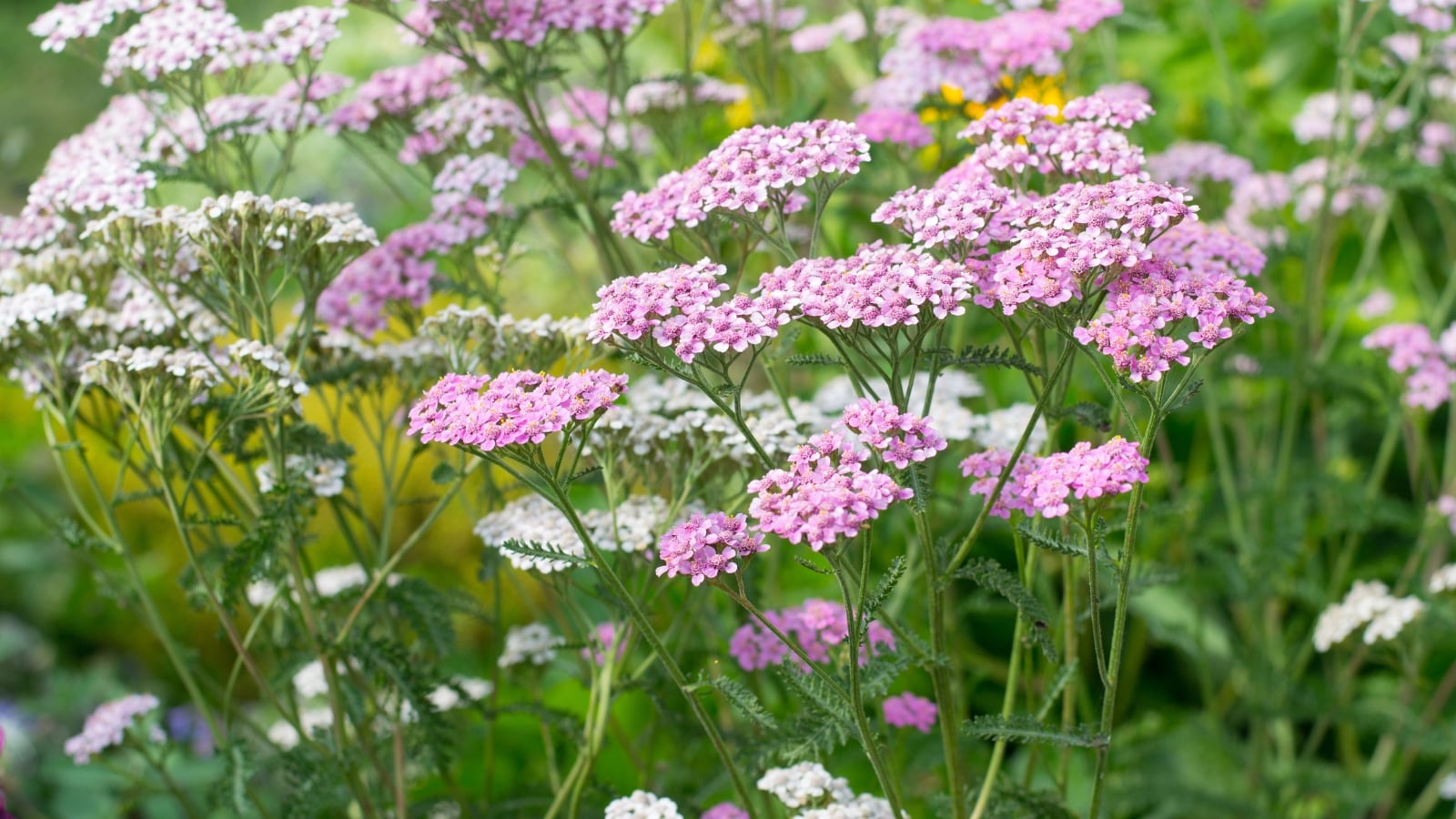
- Botanical Name: Achillea millefolium
- Sun Requirements: Full sun
- Height: 1 to 3 feet
- Hardiness Zones: 3 to 9
- Benefits: Repels mites and lice, aids digestion, serves as fresh nesting herbs.
- Growing Tips: Plant in dry soil, shear spent flowers, spreads quickly via roots.
Yarrow produces flat topped clusters of tiny pink and white flowers over ferny stems. Aromatic leaves release an earthy herbal scent when crushed by foraging feet.
Adding dried flower heads to nesting boxes keeps your coop smelling fresh. Drought hardy and vigorous, this tough herb thrives even in rocky ground.
Calendula
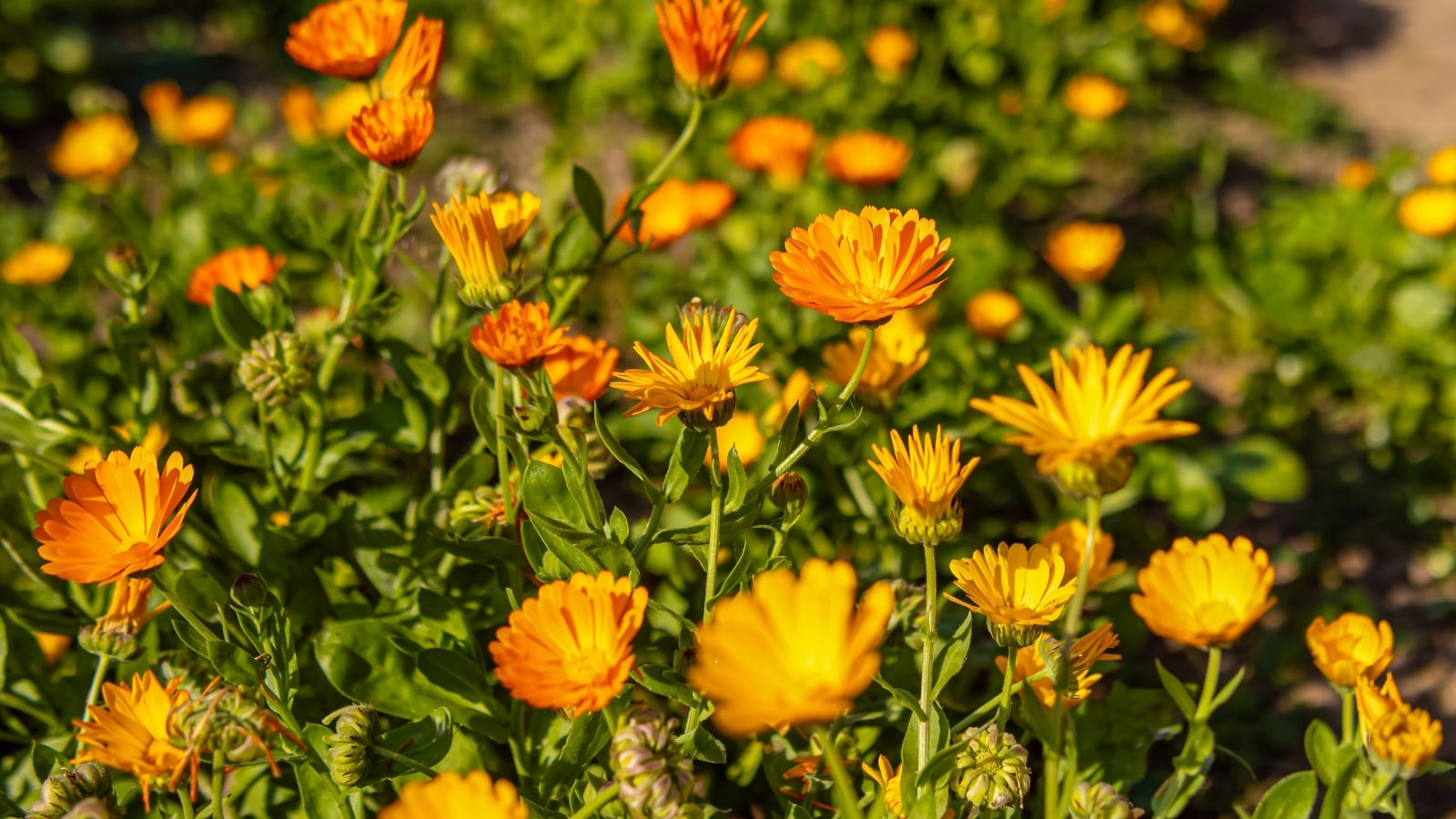
- Botanical Name: Calendula officinalis
- Sun Requirements: Full sun
- Height: 1 to 2 feet
- Hardiness Zones: 2 to 11
- Benefits: Enhances egg yolk color, rich in antioxidants, soothes skin irritation.
- Growing Tips: Deadhead for continuous blooms, sow seeds in spring, tolerates cool weather.
Calendula brightens garden beds with cheerful daisy shaped blooms in vivid orange and yellow. Sticky green stems and leaves hold the sunny flowers above low foliage.
Eating these golden petals naturally deepens the rich color of fresh egg yolks. Fast growing and effortless, this annual readily drops seeds for next season.
Honeysuckle
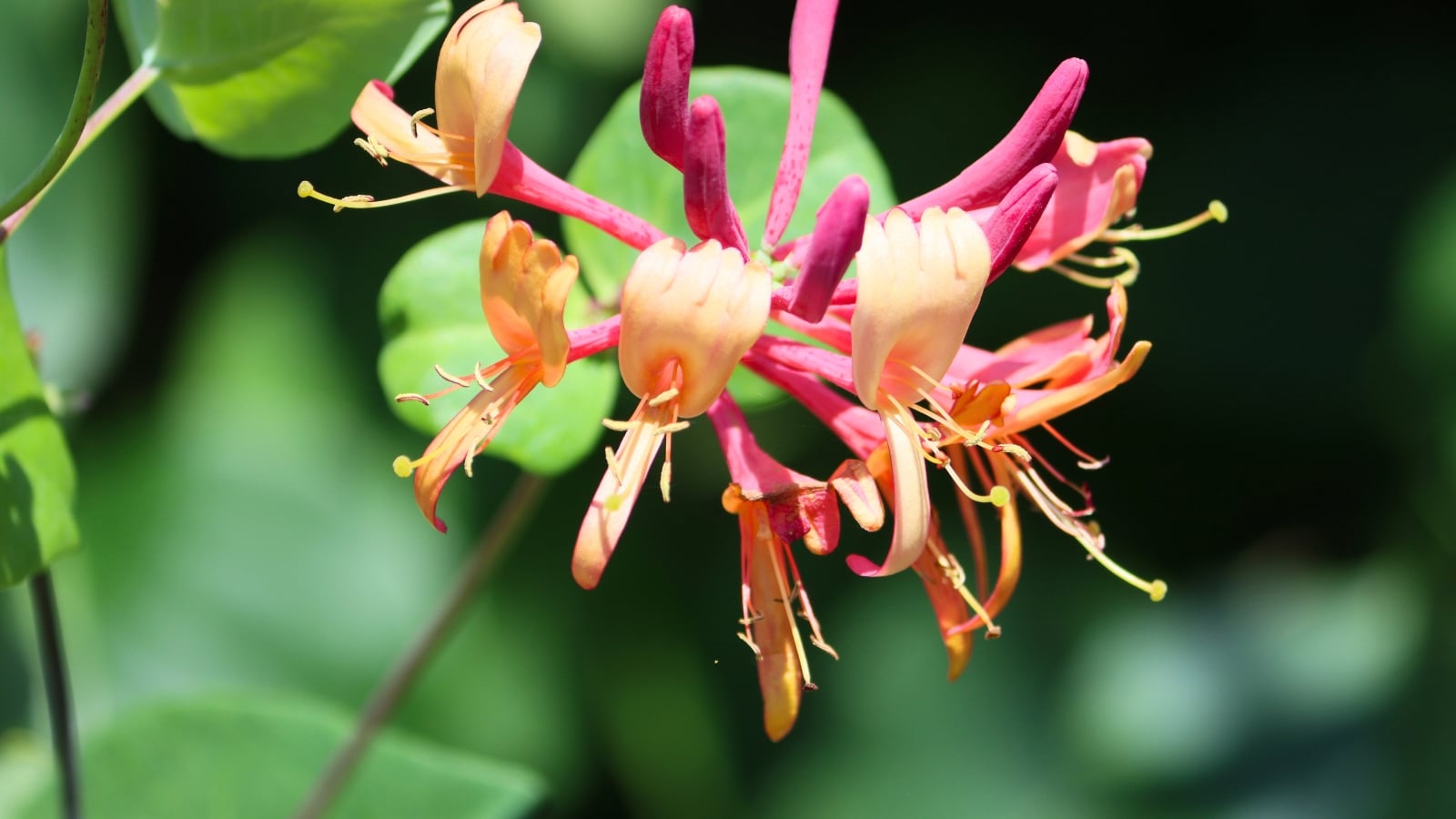
- Botanical Name: Lonicera periclymenum
- Sun Requirements: Full sun to partial shade
- Height: 10 to 20 feet
- Hardiness Zones: 5 to 9
- Benefits: Creates climbing coop shade, offers sweet nectar blooms, cools hot runs.
- Growing Tips: Train vines onto sturdy trellises, prune after flowering, keep roots mulched.
Honeysuckle displays tubular pink and peach flowers with long protruding stamens. Rounded green leaves pair neatly along woody twining stems.
Vines growing up run fencing provide cooling shade and tasty reachable blossoms. Vigorous and fragrant, this climber quickly transforms bare wire into a lush wall.
Lavender
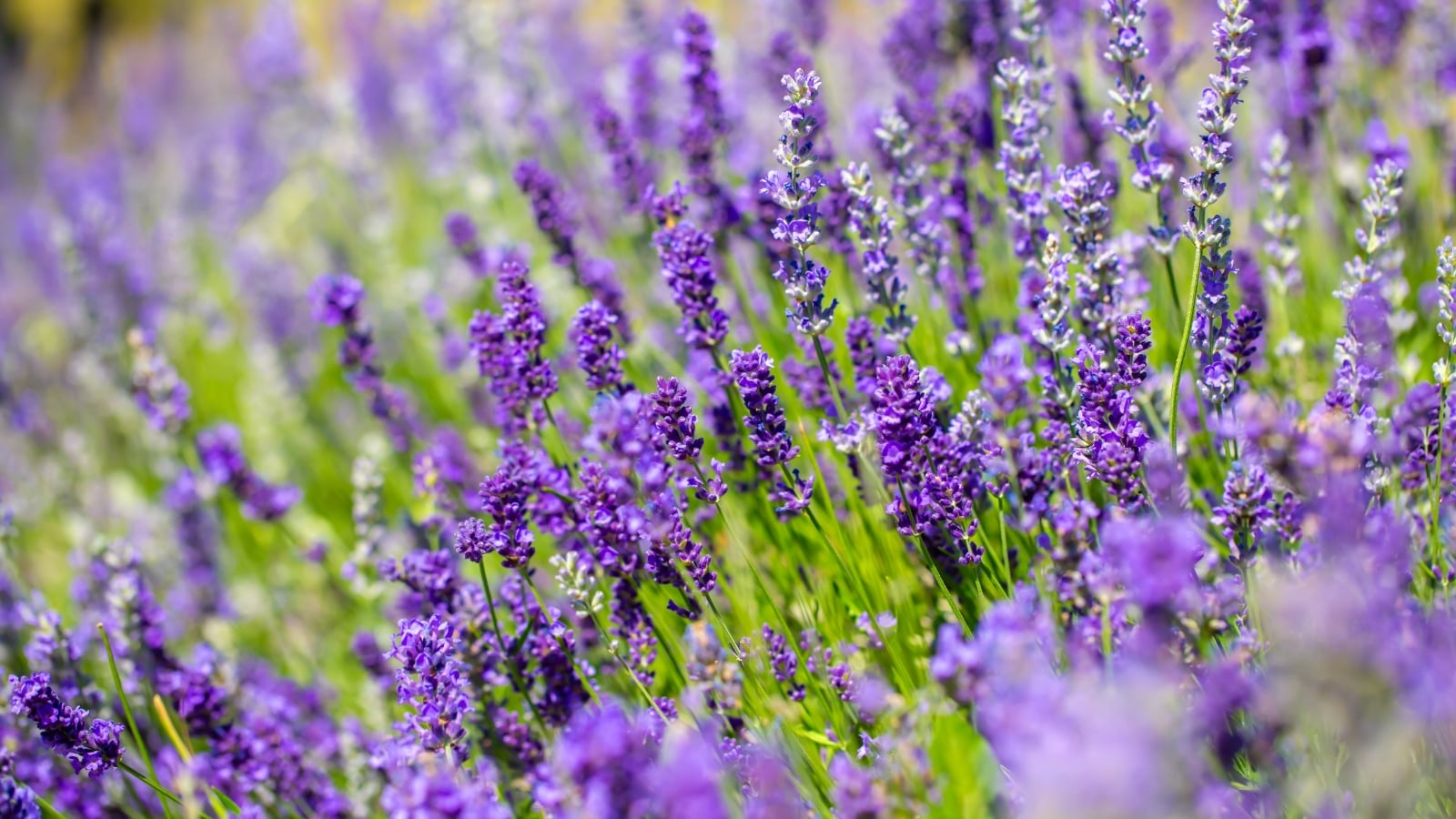
- Botanical Name: Lavandula angustifolia
- Sun Requirements: Full sun
- Height: 1 to 3 feet
- Hardiness Zones: 5 to 9
- Benefits: Calms stressed birds, repels flies and mosquitoes, freshens coop bedding.
- Growing Tips: Ensure sharp soil drainage, prune lightly in spring, avoid overwatering.
Lavender sends up slender spikes covered in small fragrant purple blossoms. Narrow silvery green foliage forms neat rounded mounds along sunny walkways.
Sprinkling harvested buds inside nesting boxes promotes a peaceful laying environment. Heat loving and resilient, this Mediterranean herb flourishes in dry sunny spots.
Lilac
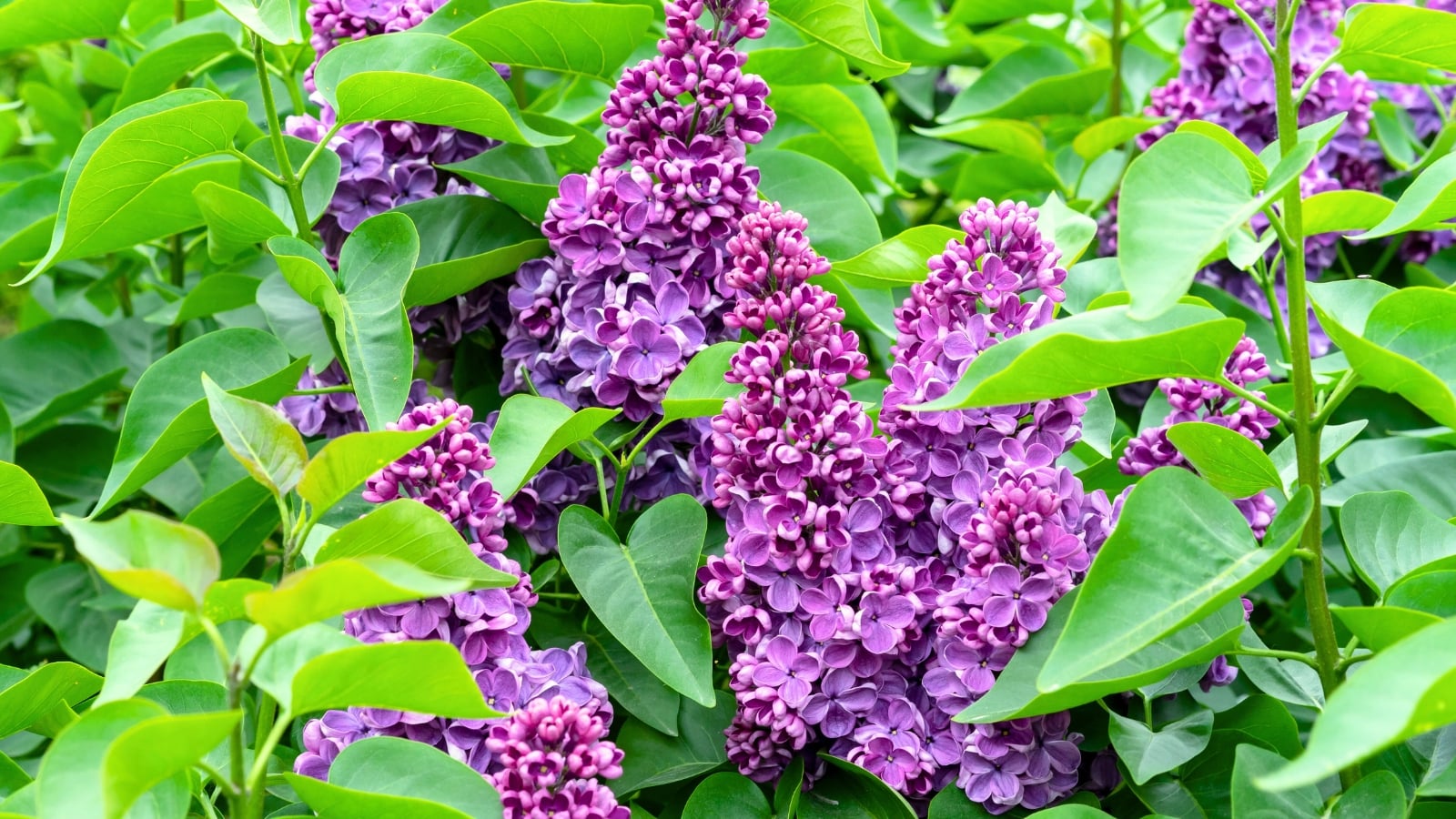
- Botanical Name: Syringa vulgaris
- Sun Requirements: Full sun
- Height: 8 to 15 feet
- Hardiness Zones: 3 to 7
- Benefits: Offers tall overhead shade, drops fragrant edible petals, shields birds from predators.
- Growing Tips: Plant in alkaline soil, prune right after blooming, remove old woody stems.
Lilac bursts with cone shaped clusters of sweet purple blossoms surrounded by heart shaped green leaves. Sturdy upright branches form a tall privacy screen around outdoor chicken runs.
Hens enjoy nibbling fallen purple florets and resting underneath the thick leafy canopy. Cold hardy and dependable, this classic shrub returns every spring with minimal effort.
Viburnum
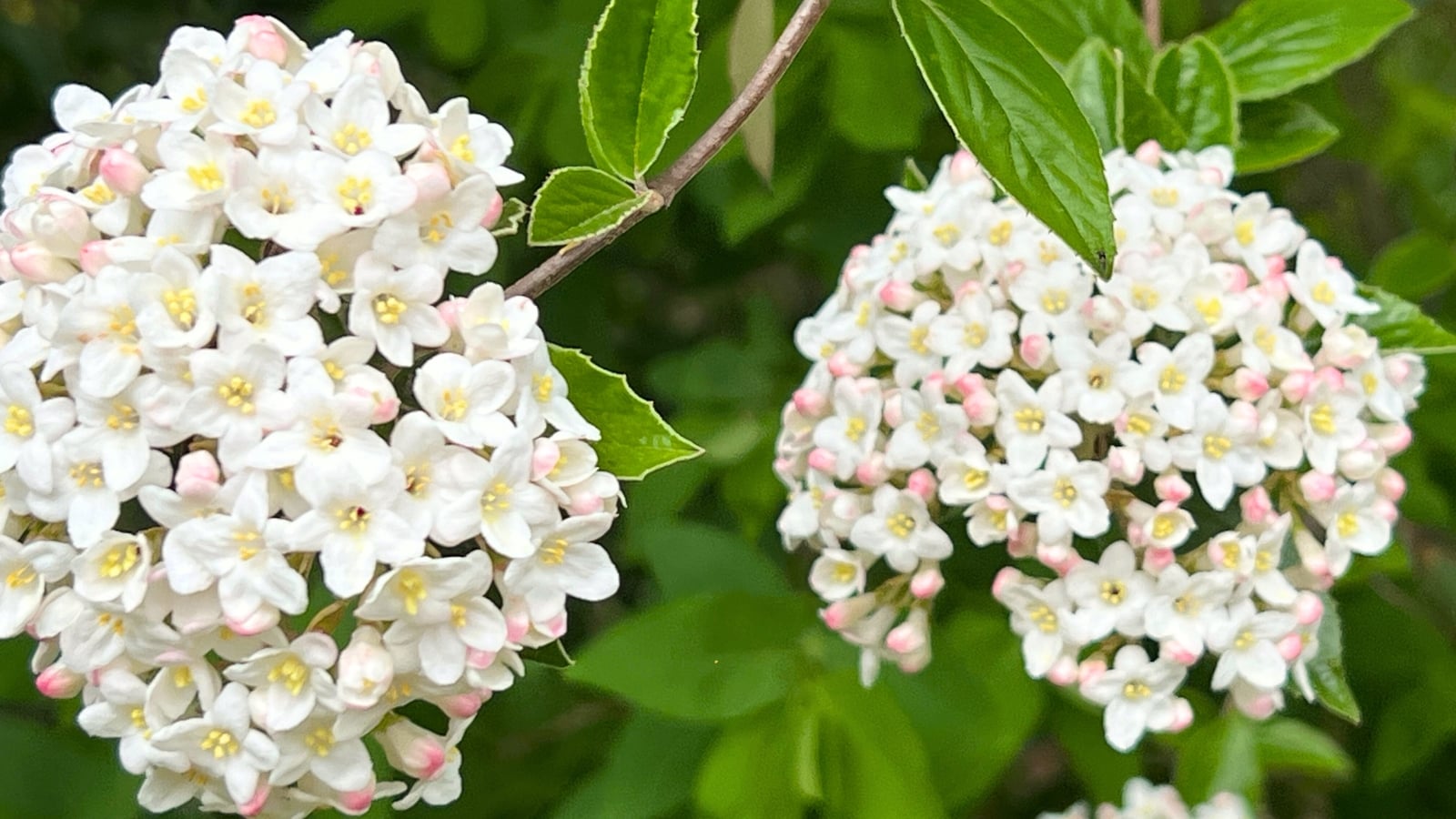
- Botanical Name: Viburnum carlesii
- Sun Requirements: Full sun to partial shade
- Height: 4 to 8 feet
- Hardiness Zones: 4 to 8
- Benefits: Provides safe foraging berries, creates dense shelter, attracts tasty insects.
- Growing Tips: Water regularly during establishment, mulch roots in summer, prune lightly after flowering.
Viburnum holds rounded snowballs of waxy white flowers tinted with soft pink buds. Veined green leaves frame the fragrant clusters along slender woody stems.
Chickens safely explore beneath the branches while hunting bugs drawn to the sweet scent. Adaptable and sturdy, this shrub adds multi season structure near coop fences.
Rose
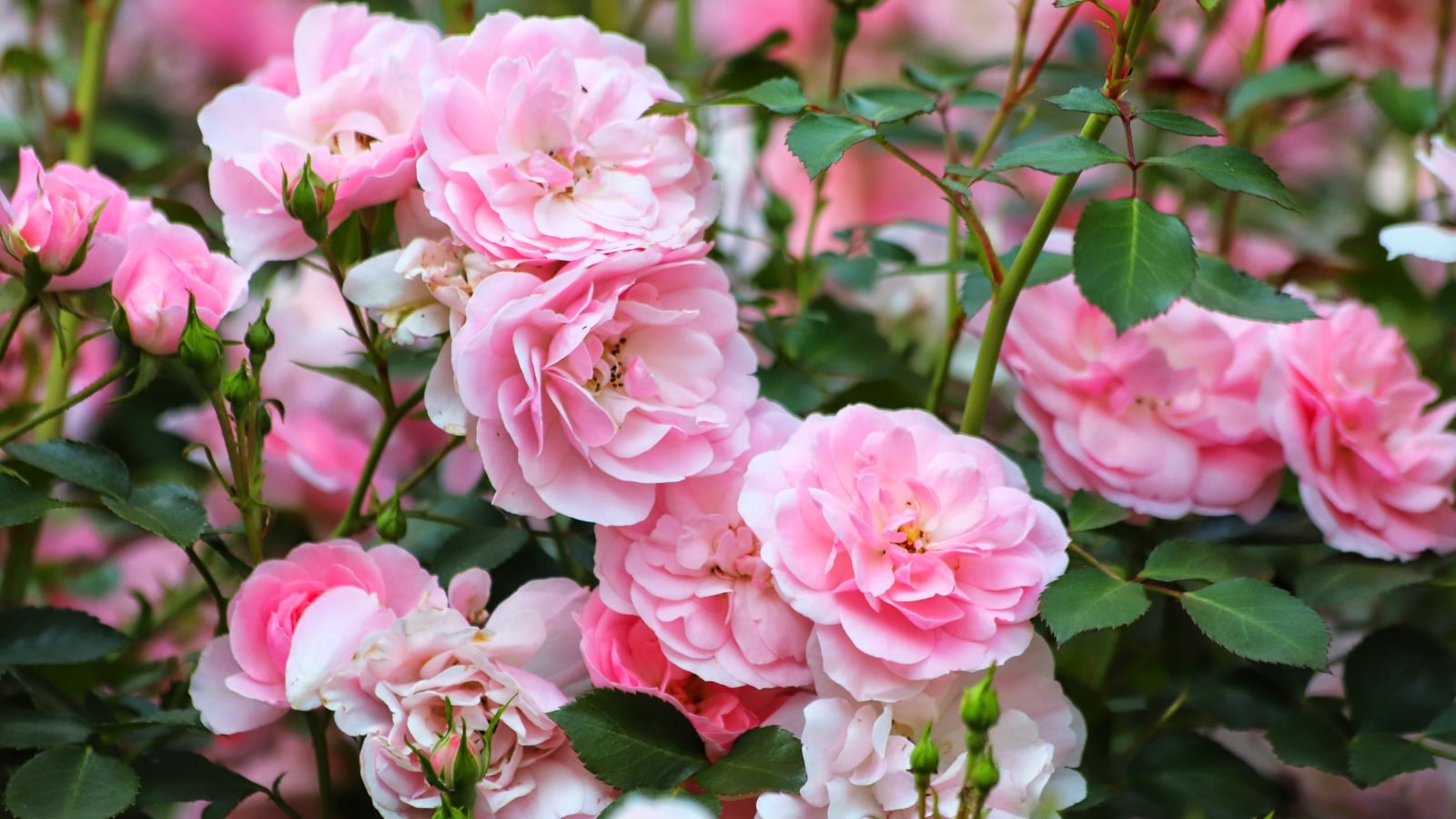
- Botanical Name: Rosa
- Sun Requirements: Full sun
- Height: 2 to 6 feet
- Hardiness Zones: 3 to 9
- Benefits: Rich in vitamin C, supplies nutritious rose hips, offers delicate edible petals.
- Growing Tips: Avoid chemical sprays, fertilize with aged compost, prune dead wood in spring.
Roses produce layered pink blossoms with soft ruffled petals and golden centers. Glossy serrated leaves cover the thorny canes beneath the abundant blooms.
Flocks eagerly peck fallen petals and feast on vitamin packed rose hips in autumn. Choosing untreated bushes ensures your birds enjoy a completely natural treat.
How To Choose A Garden Style Around Your Chicken Coop
Start with the space you can comfortably maintain. A narrow border outside the run may suit a small backyard, while a larger yard can accommodate separate planting beds and walking paths.
For a relaxed cottage look, repeat loose groups of flowers along the fence. A more structured garden benefits from clearly defined beds, consistent edging, and a limited color palette. Containers offer flexibility where planting space is tight.
Before choosing plants, consider:
- Sunlight: Observe the area at different times of day.
- Mature size: Allow space around gates, windows, and access panels.
- Watering needs: Group plants with similar requirements.
- Flock access: Decide which beds will remain fenced off.
- Maintenance: Choose a layout you can weed, water, and clean easily.
Let the practical layout guide the style. A border that blocks the coop door will become frustrating, regardless of how well it blooms.
Decorating And Planting Tips
Repeat A Small Color Palette
Choose two or three flower colors and repeat them throughout the planting area. White, pink, and purple create a softer look, while yellow and orange bring stronger contrast against a plain coop.
Repeating colors helps separate beds feel connected without requiring matching plants everywhere.
Place Taller Plants Toward The Back
Keep taller planting along the outer edges, with shorter plants near paths. Check mature dimensions before planting so branches and foliage do not crowd the run.
Leave enough room to reach fencing for inspection and repairs.
Protect New Planting
Give young plants a separate growing area or a temporary barrier. Chickens can damage beds through scratching and foraging, so physical separation helps preserve planting you want to establish. purinamills.com
Make protection part of the layout from the beginning instead of trying to fit it around damaged plants later.
Use Containers To Frame The Entrance
A pair of sturdy pots near the coop entrance can make the area feel more organized. Position them outside the gate’s swing and away from your normal cleaning route.
Choose containers that are stable, drain freely, and are easy to reach with a watering can.
Keep Decorative Details Practical
Use a few durable features, such as simple edging or plant labels. Avoid filling working areas with ornaments that need moving whenever you clean.
The planting should frame the coop while leaving daily chores straightforward.
Budget And Time Guide
Begin with one small bed or a few containers. Expanding gradually lets you see how the layout handles watering, cleaning, and flock activity before buying more plants.
The figures below are illustrative DIY planning allowances in USD, rather than current retail quotes. Local prices, bed size, and existing materials will affect the total.
| Project Size | Suggested Budget Allowance | Hands-On Setup Time | Scope |
|---|---|---|---|
| Small refresh | $30–$75 | 2–4 hours | Seeds or a few plants in an existing bed |
| Simple coop border | $75–$200 | 1–2 days | A modest border with basic edging and plant protection |
| Larger garden update | $200–$500+ | 2–3 weekends | Several beds, containers, and additional barriers |
These estimates exclude major fencing, irrigation, structural shade, and professional labor. Setup time also excludes germination, flowering, and plant establishment.
To control spending:
- Measure the planting area before shopping.
- Prepare one section at a time.
- Prioritize soil preparation and protective barriers.
- Reuse suitable containers and edging.
- Add decorative extras after the layout works.
Allow short, regular maintenance sessions for watering, weeding, and checking barriers. A smaller garden that stays manageable will be easier to enjoy.
Frequently Asked Questions
Can Chickens Eat Every Flower In This Article?
Do not assume that every listed flower is safe to feed. Plant identity, the part eaten, and species-specific toxicity all matter. The original list needs a safety review, particularly entries such as columbine, which university guidance identifies as harmful if eaten.
Until a plant has been checked against reliable poultry-specific advice, keep it outside your flock’s reach and avoid offering its flowers, leaves, seeds, or berries.
Should I Plant Inside Or Outside The Chicken Run?
Outside the run is usually the more practical starting point when your priority is preserving a decorative border. Chickens may scratch up soil and eat plants you intended to keep.
A separate bed or barrier gives you more control over access. Remember that planting beside fencing may still be within pecking distance, so consider reachable leaves, overhanging branches, and fallen plant material when deciding where to place each species.
What Is The Best Garden Style For A Small Coop Area?
A narrow, clearly edged border or a few sturdy containers can work well around a small coop. Keep the palette simple and repeat a few plant shapes so the space feels organized.
Before adding anything, check that the gate opens fully and that you can carry feed, collect eggs, and clean comfortably. Choose plants according to their mature dimensions, rather than the size of the nursery pot.
How Can I Keep The Project Affordable?
Start with an existing bed and improve one small section before expanding. Make a shopping list based on measured space, then allocate money to plants, soil preparation, and any barriers you need.
Reusing suitable pots or edging can reduce unnecessary purchases. Leave room in the budget for replacements, and wait to buy decorative extras until you know the planting arrangement works with your daily routine.
Can Garden Forage Replace Regular Chicken Feed?
Garden forage should supplement a balanced diet. University poultry guidance recommends complete feed as the simplest foundation for feeding a small flock and notes that excessive scraps and greens can adversely affect egg production.
Keep appropriate complete feed available and treat garden access as additional enrichment. Flowers and herbs should not be presented as substitutes for balanced nutrition or as established treatments for parasites and illness.
Conclusion
A well-planned coop garden starts with clear paths, suitable growing conditions, and careful plant selection. Choose a manageable area, protect new planting, and expand once you know what works with your flock and routine.
Check each plant’s safety before allowing access, especially where leaves, flowers, or berries can fall into the run.
Share these planting and styling ideas with friends and family who keep backyard chickens or are planning their own coop garden.