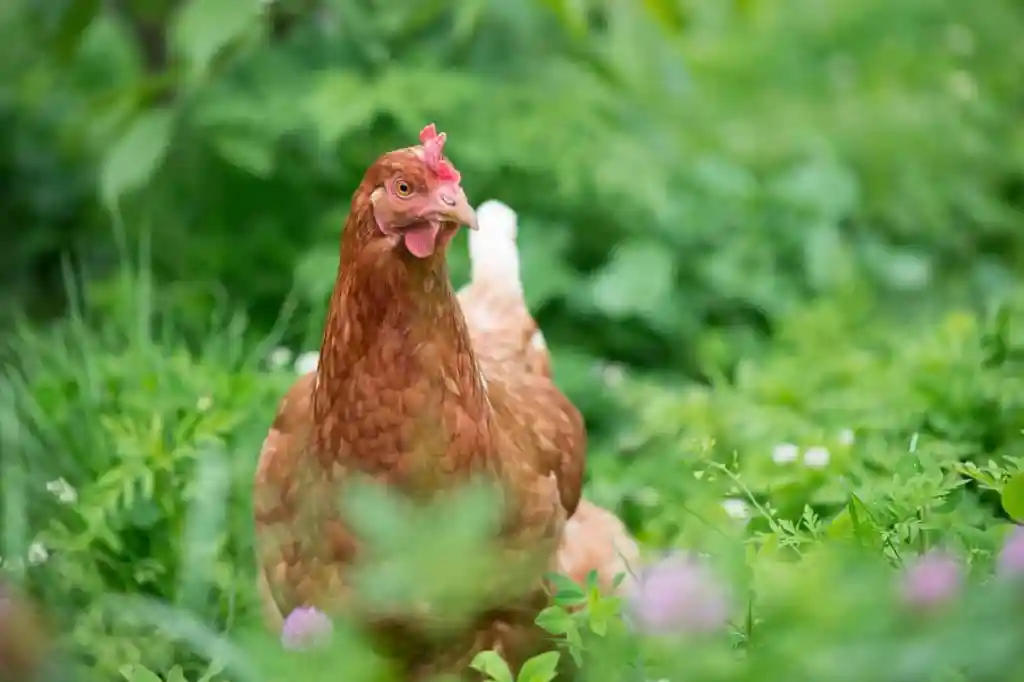

Growing herbs around a chicken coop adds greenery, fragrance, and useful planting space to the backyard.
The challenge is choosing plants that suit your climate while keeping them protected from scratching feet. Garden herbs also come with plenty of health claims, which can make it difficult to separate practical uses from unsupported promises.
A thoughtful layout keeps plants accessible for harvesting and leaves clear space for feeding, watering, and cleaning. Containers, protected borders, and separate beds offer different ways to organize the area.
These 21 Herbs For Chickens: Garden Ideas And Safe Use cover growing requirements, practical planting tips, and important cautions. Complete poultry feed, fresh water, and appropriate veterinary care remain the foundation of flock care.
Growing ranges are approximate and vary by cultivar and climate. Annual herbs can grow in many USDA zones during suitable weather; perennial zone ranges describe typical outdoor winter hardiness. Inclusion in this garden guide does not mean every plant or preparation is suitable for feeding.
Save this article for later! 👇👇
How to Use Herbs for Chickens
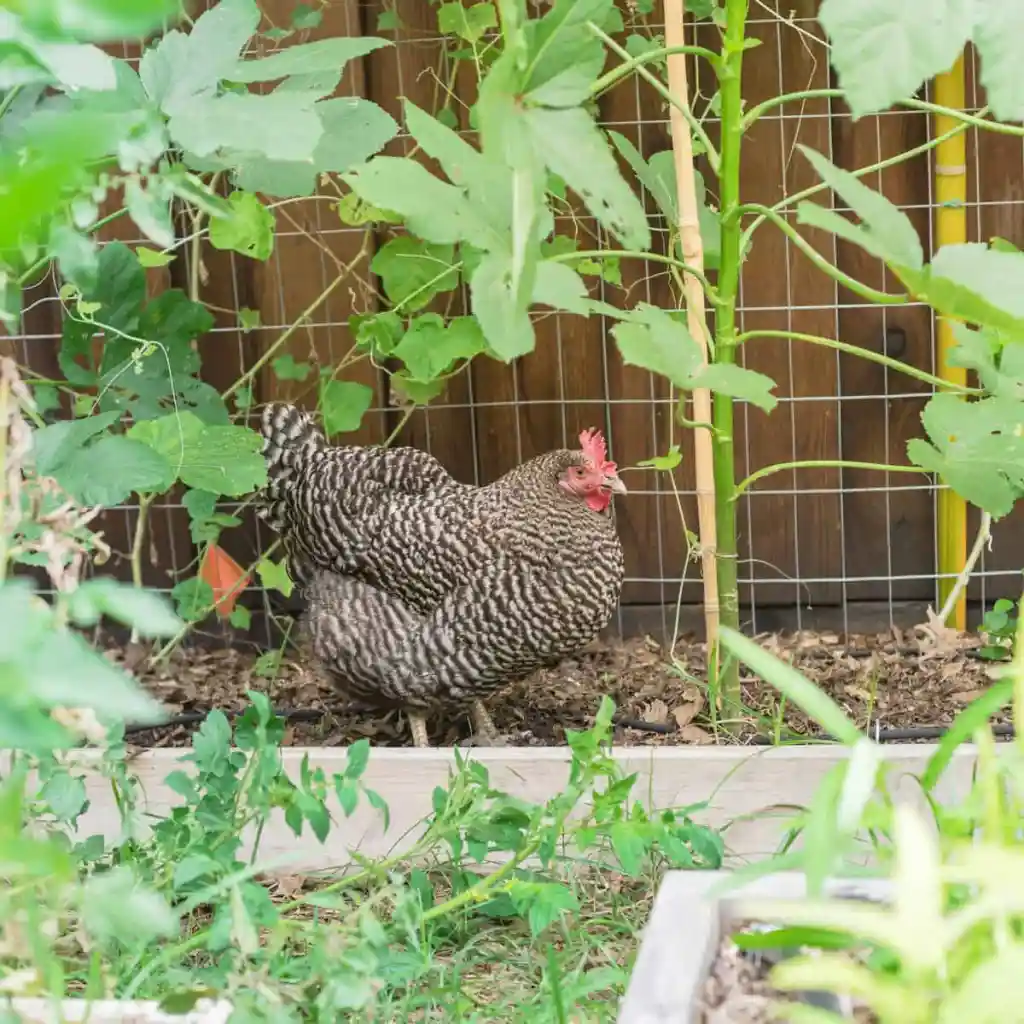
Start with one correctly identified herb and a clear purpose. Growing plants beside the coop, offering edible leaves, and using concentrated supplements require different decisions. Keep complete poultry feed and fresh water at the center of your routine.
Offer Suitable Herbs As Occasional Extras
Once you have confirmed a herb is suitable for poultry, offer a small amount of clean, fresh leaves separately from the main feed. This makes it easier to observe what your chickens eat and remove leftovers. Avoid moldy material, unidentified plants, and herbs with an unsuitable chemical treatment history.
Grow A Protected Herb Border
Plant herbs in containers or a separate bed outside the run to protect young roots from scratching. Leave room around gates, waterers, and cleaning paths. Check plant safety before allowing access, including leaves that grow through fencing or flowers that fall inside.
Keep Nesting Boxes Clean And Dry
Herbs are optional additions to nesting material. If you use them, choose a confirmed poultry-appropriate plant, add only a little, and remove it when soiled or damp. Replace dirty bedding promptly rather than covering odors with fragrance, and avoid essential oils or heavily scented mixtures.
Keep Drinking Water Plain
Provide clean, fresh water every day. Homemade herbal teas and extracts are unnecessary for routine care and should not replace drinking water. Use a water additive only when its poultry-specific instructions or your veterinarian provide clear guidance.
Maintain A Suitable Dust Bath
Give chickens access to a dry dust-bathing area without assuming herbal ingredients are needed. Scattered leaves do not provide dependable treatment for mites or lice. Avoid adding essential oils or homemade pesticide mixtures, and address an infestation with a poultry-appropriate control plan.
Introduce Changes Gradually
Try one suitable herb at a time and watch for changes in appetite, droppings, or behavior. Stop offering it if problems appear. Keep comfrey out of the feeding routine, and seek veterinary advice for persistent symptoms instead of adding more herbs.
Best Herbs For Chickens
Lavender
- Botanical Name: Lavandula angustifolia
- Sun Requirements: Full sun
- Height: 12 to 36 inches
- Hardiness Zones: 5 to 9
- Benefits: Adds fragrant flowers, attracts pollinators, creates a tidy garden border.
- Growing Tips: Plant in well-drained soil, avoid overwatering, trim lightly after flowering.
Slender purple flower spikes rise above silvery foliage, giving lavender a neat outline beside a coop path. I’d keep it outside the run so its roots can establish without constant scratching.
Choose a sunny spot where water drains quickly after rain. Enjoy the fragrance as a garden feature rather than relying on lavender to calm chickens or control mites.
Chamomile
- Botanical Name: Matricaria chamomilla
- Sun Requirements: Full sun to partial shade
- Height: 12 to 24 inches
- Hardiness Zones: Annual; commonly grown in zones 2 to 9
- Benefits: Adds delicate flowers, attracts small pollinators, suits informal herb beds.
- Growing Tips: Surface-sow seeds, keep seedlings lightly moist, protect young growth from scratching.
Tiny white petals and yellow centers give German chamomile a loose, meadow-like appearance. Its airy growth fits between larger plants without making the border feel crowded.
A protected bed lets you enjoy the flowers before hens flatten the seedlings. Keep plain drinking water available rather than using chamomile tea as a homemade treatment for stress or illness.
Lemon Balm
- Botanical Name: Melissa officinalis
- Sun Requirements: Full sun to partial shade
- Height: 18 to 36 inches
- Hardiness Zones: 3 to 7
- Benefits: Provides lemon-scented foliage, attracts pollinators when flowering, adds leafy garden texture.
- Growing Tips: Grow in a container to manage spread, trim regularly, remove unwanted seedlings.
Brush past lemon balm on the way to collect eggs, and its leaves release a light citrus scent. A pot near the garden entrance keeps that fragrance close without letting the plant take over the border.
Give it room to form a leafy clump, then trim before unwanted seeds develop. Its useful garden qualities do not establish an antiviral or calming treatment for chickens.
Catnip
- Botanical Name: Nepeta cataria
- Sun Requirements: Full sun to partial shade
- Height: 24 to 36 inches
- Hardiness Zones: 3 to 9
- Benefits: Produces aromatic foliage, attracts pollinators, fills informal garden borders.
- Growing Tips: Use well-drained soil, cut back after flowering, remove seedlings where unwanted.
Catnip forms a relaxed mound of gray-green leaves topped with small pale flowers. Before planting beside the run, consider whether neighborhood cats already spend time in your yard.
I’d give it a separate spot where the plant can grow without crowding the coop entrance. Scattering catnip in bedding should not be treated as proven parasite control or a reliable way to sedate hens.
Oregano
- Botanical Name: Origanum vulgare
- Sun Requirements: Full sun
- Height: 12 to 24 inches
- Hardiness Zones: 4 to 8
- Benefits: Supplies culinary leaves, produces pollinator-friendly flowers, suits sunny herb borders.
- Growing Tips: Plant in freely draining soil, harvest regularly, avoid keeping roots constantly wet.
Oregano brings small green leaves and clusters of summer flowers to a sunny bed. Growing it outside the run also leaves you with a useful kitchen herb that chickens cannot immediately strip.
Trim a little at a time to keep the plant manageable. Research on measured oregano feed additives does not make garden oregano or homemade oregano oil an antibiotic replacement.
Thyme
- Botanical Name: Thymus vulgaris
- Sun Requirements: Full sun
- Height: 6 to 12 inches
- Hardiness Zones: 5 to 9
- Benefits: Creates compact edging, offers aromatic culinary leaves, attracts pollinators when flowering.
- Growing Tips: Choose gritty, well-drained soil, water sparingly once established, trim lightly.
Need something that stays below the coop windows? Thyme’s low growth makes it easier to fit along a path than taller, sprawling herbs.
Plant small clumps where they will not be stepped on during cleaning. Its fragrance is pleasant, but thyme should not be used to treat wheezing or other respiratory symptoms.
Rosemary
- Botanical Name: Salvia rosmarinus
- Sun Requirements: Full sun
- Height: 24 to 72 inches, depending on variety
- Hardiness Zones: Usually 8 to 10; some cultivars tolerate zone 7
- Benefits: Adds evergreen structure in suitable climates, provides culinary sprigs, produces pollinator-friendly flowers.
- Growing Tips: Allow for mature size, provide excellent drainage, protect from severe winter cold.
Upright rosemary gives an herb border a stronger shape, especially beside a simple wooden coop. A large container is worth considering where winters make outdoor survival uncertain.
Leave space between its branches and the fencing for inspections. Fragrant foliage cannot correct stale coop air, so address damp bedding and ventilation instead of trying to cover odors.
Sage
- Botanical Name: Salvia officinalis
- Sun Requirements: Full sun
- Height: 18 to 30 inches
- Hardiness Zones: 4 to 8
- Benefits: Offers culinary leaves, adds soft gray-green foliage, attracts pollinators when blooming.
- Growing Tips: Use well-drained soil, prune lightly in spring, avoid heavy watering.
Soft, textured leaves make culinary sage a quieter companion to bright flowers. I’d place it near the front of a protected bed, where the foliage is easy to appreciate and harvest.
Check the botanical label before buying because several unrelated plants share the name “sage.” Avoid using it as a routine medicinal supplement simply because the leaves contain beneficial plant compounds.
Echinacea
- Botanical Name: Echinacea purpurea
- Sun Requirements: Full sun to partial shade
- Height: 24 to 48 inches
- Hardiness Zones: 3 to 8
- Benefits: Adds summer flowers, attracts pollinators, provides seed heads for wild birds.
- Growing Tips: Plant in well-drained soil, water during establishment, leave selected seed heads standing.
Pink petals surround raised orange-brown cones, giving echinacea a distinct shape among leafy herbs. Its taller stems work toward the back of a border outside the run.
Let the flowers contribute color without promising a medical benefit to your flock. Homemade extracts should not replace diagnosis or treatment when a chicken becomes unwell.
Parsley
- Botanical Name: Petroselinum crispum
- Sun Requirements: Full sun to partial shade
- Height: 12 to 18 inches before flowering
- Hardiness Zones: 5 to 9; usually grown as an annual
- Benefits: Supplies culinary greens, adds leafy texture, grows well in containers.
- Growing Tips: Keep soil evenly moist, allow time for slow germination, harvest outer stems first.
A pot of parsley fits neatly into a small garden where every planting needs to earn its space. Curly varieties add texture, while flat-leaf types keep the arrangement simple.
Protect young plants from heavy scratching and harvest gradually. Small amounts of suitable greens should remain extras, rather than a way to correct thin eggshells or replace complete layer feed.
Dill
- Botanical Name: Anethum graveolens
- Sun Requirements: Full sun
- Height: 18 to 48 inches
- Hardiness Zones: Annual; grown seasonally across many zones
- Benefits: Provides culinary leaves and seeds, attracts beneficial insects, adds airy foliage.
- Growing Tips: Sow directly, shelter tall varieties from strong wind, make successive sowings.
Feathery dill leaves soften a bed filled with broader foliage. As the plant matures, yellow flower clusters add height without creating a solid screen.
Give taller varieties room away from gates and narrow paths. Enjoy dill as a garden herb, but investigate persistent digestive problems instead of expecting it to treat your flock.
Fennel
- Botanical Name: Foeniculum vulgare
- Sun Requirements: Full sun
- Height: 36 to 72 inches for herb fennel
- Hardiness Zones: 4 to 9, depending on variety and conditions
- Benefits: Offers aromatic foliage, provides culinary harvests, attracts beneficial insects.
- Growing Tips: Check mature size, allow generous spacing, remove unwanted seed heads.
Fennel looks light and delicate, yet a mature plant can occupy considerable space. Choose its position before planting so the stems will not lean across your usual cleaning route.
A separate bed makes the feathery foliage easier to manage. Do not count on fennel leaves or seeds to increase laying, since egg production depends on several nutritional, seasonal, and health factors.
Dandelions
- Botanical Name: Taraxacum officinale
- Sun Requirements: Full sun to partial shade
- Height: 2 to 18 inches
- Hardiness Zones: 3 to 10
- Benefits: Adds early flowers for visiting insects, provides leafy groundcover, offers garden diversity.
- Growing Tips: Allow growth only in suitable areas, avoid lawn chemicals, remove seed heads to limit spread.
Those familiar yellow flowers may already be growing around your chicken yard. Correct identification and the lawn’s treatment history matter more than how common the plant seems.
Keep any forage area free from unsuitable chemical treatments and contamination. A mixed handful of unidentified lawn plants should never be offered just because dandelions are growing nearby.
Comfrey
- Botanical Name: Symphytum officinale
- Sun Requirements: Full sun to partial shade
- Height: 24 to 48 inches
- Hardiness Zones: 4 to 9
- Benefits: Produces pollinator-attracting flowers in a separate garden; not recommended as chicken feed.
- Growing Tips: Keep outside flock access, choose its location carefully, avoid spreading root fragments.
Comfrey’s large leaves and hanging flowers give it a substantial presence in the garden. However, it needs a clear caution here: the plant contains pyrrolizidine alkaloids associated with liver toxicity.
Keep comfrey out of accessible forage areas and do not offer fresh or dried leaves as a routine supplement. Its traditional reputation does not establish a safe feeding practice for chickens.
Mint
- Botanical Name: Mentha spicata
- Sun Requirements: Full sun to partial shade
- Height: 12 to 24 inches
- Hardiness Zones: 4 to 9
- Benefits: Provides fragrant culinary leaves, grows well in containers, attracts pollinators when flowering.
- Growing Tips: Contain spreading roots, water consistently, trim regularly to encourage fresh growth.
Spearmint gives you familiar fragrance without needing an entire herb bed. I’d keep it in its own container because a small patch can quickly spread into neighboring plants.
Position the pot where it will not obstruct a gate or watering route. Mint does not replace shade, ventilation, or fresh water during hot weather, and its scent is not reliable infestation control.
Calendula
- Botanical Name: Calendula officinalis
- Sun Requirements: Full sun to partial shade
- Height: 12 to 24 inches
- Hardiness Zones: Usually grown as an annual; may overwinter in mild climates
- Benefits: Adds bright seasonal flowers, attracts pollinators, supplies petals for appropriate culinary uses.
- Growing Tips: Sow in suitable cool-season conditions, deadhead regularly, use well-drained soil.
Golden and orange calendula flowers bring strong color to a plain coop border. A small group near the entrance can make the planting feel intentional without filling the working area with ornaments.
Check the botanical name and treatment history before considering petals for your flock. Flowers sold for decorative use should not automatically be treated as suitable feed.
Bee Balm
- Botanical Name: Monarda didyma
- Sun Requirements: Full sun to partial shade
- Height: 24 to 48 inches
- Hardiness Zones: 4 to 9
- Benefits: Produces colorful flowers, attracts pollinators, adds aromatic foliage.
- Growing Tips: Provide airflow, keep soil reasonably moist, divide crowded clumps when needed.
Shaggy red, pink, or purple flower heads give bee balm a lively appearance. Its height suits the middle or back of a mixed bed where the flowers can rise above lower herbs.
Leave enough space for air to circulate through the foliage. Grow it for its garden qualities rather than presenting the plant as a proven respiratory treatment or insect repellent for chickens.
Basil
- Botanical Name: Ocimum basilicum
- Sun Requirements: Full sun
- Height: 12 to 24 inches
- Hardiness Zones: Usually grown as a frost-tender annual
- Benefits: Supplies culinary leaves, adds fresh fragrance, suits small containers.
- Growing Tips: Plant after frost danger passes, water consistently, pinch growing tips for bushier growth.
Tender basil leaves are useful when the coop sits near your kitchen garden. Keep a protected plant for harvesting rather than expecting young stems to withstand unrestricted scratching.
A warm, accessible spot makes regular picking easier. The scent may freshen your garden experience, but basil cannot replace sanitation or dependable fly-control measures.
Cilantro
- Botanical Name: Coriandrum sativum
- Sun Requirements: Full sun to partial shade
- Height: 12 to 24 inches
- Hardiness Zones: Annual; grown seasonally across many zones
- Benefits: Provides culinary leaves and coriander seeds, attracts beneficial insects when flowering, suits succession planting.
- Growing Tips: Sow directly, favor cooler growing conditions, plant small batches for continued harvests.
Cilantro works well in a practical herb patch shared with your kitchen. Small, repeated sowings are easier to manage than one large bed that matures all at once.
Protect seedlings and collect only clean, correctly identified material. Any suitable leaves offered to chickens should remain modest extras rather than a promised treatment for infection or poor health.
Marjoram
- Botanical Name: Origanum majorana
- Sun Requirements: Full sun
- Height: 12 to 24 inches
- Hardiness Zones: 9 to 10; grown as an annual elsewhere
- Benefits: Offers aromatic culinary leaves, fits compact herb gardens, attracts pollinators when flowering.
- Growing Tips: Plant after frost danger passes, provide good drainage, pinch tips for fuller growth.
Marjoram’s small leaves and rounded growth suit a sunny container near other kitchen herbs. A labeled pot helps distinguish it from oregano and keeps harvesting straightforward.
Let the plant add variety without making medicinal promises. Changes in appetite, behavior, or digestion deserve attention to the flock’s care and health rather than an unmeasured herbal remedy.
Chickweed
- Botanical Name: Stellaria media
- Sun Requirements: Partial shade to full sun in cooler conditions
- Height: 2 to 8 inches
- Hardiness Zones: Widespread cool-season annual; overwintering varies by climate
- Benefits: Forms low seasonal greenery, adds plant diversity, provides ground-level garden texture.
- Growing Tips: Identify carefully, manage spreading stems, remove before seeding where unwanted.
Chickweed forms a low mat of small leaves with tiny white flowers. It often appears among other weeds, which makes careful identification essential before allowing it into any collected forage.
Use only plants from a clean area with a known treatment history after confirming poultry suitability. Avoid gathering mixed weeds, and leave unfamiliar plants out of the run.
Tips For Planning Your Chicken Herb Garden
Start With A Manageable Planting Area
Choose a few containers or one short border before planting around the entire run. A smaller setup lets you see how the plants cope with sunlight, watering, and nearby flock activity. Expand once the layout works with your daily chores.
Group Plants By Their Growing Needs
Keep herbs that prefer drier conditions separate from plants that need more consistent moisture. Individual containers make this easier in a small yard. Check the soil before watering instead of giving every plant the same amount on a fixed schedule.
Protect Young Plants From Scratching
Place seedlings in a separate bed or behind a secure temporary barrier. Even a plant that suits the garden can be uprooted before it establishes. Make sure barriers have no sharp edges and do not create gaps where birds could become trapped.
Leave Gates And Cleaning Routes Clear
Allow for mature plant size when arranging beds and pots. You should be able to open doors fully, carry feed, reach waterers, and inspect fencing without moving containers. Put taller herbs toward the back and keep spreading foliage away from narrow paths.
Contain Vigorous Herbs
Mint and other spreading herbs are easier to manage in their own pots. Remove unwanted seedlings and trim growth before it crowds neighboring plants. A little regular attention is simpler than clearing an overgrown border later.
Practical Tips For Using Herbs Around Chickens
Decide whether each plant is for decoration, kitchen harvesting, or confirmed suitable forage. Keeping those purposes clear helps prevent an ornamental planting from becoming an accidental feeding experiment.
- Confirm identity: Check the botanical name and poultry suitability before offering any plant.
- Check treatment history: Do not feed nursery plants or flowers unless their treatment history makes them suitable for that use.
- Keep extras modest: Suitable herbs should supplement appropriate complete feed, not displace it.
- Offer clean material: Remove spoiled, moldy, or contaminated leaves and clear uneaten extras before they deteriorate.
- Keep drinking water plain: Avoid homemade herbal mixtures unless a poultry veterinarian recommends a specific preparation.
- Use bedding thoughtfully: Keep nesting material clean and dry rather than masking odors with scented herbs.
- Avoid essential oil experiments: Concentrated oils are different from fresh leaves and should not be added to birds, feed, water, or dust baths without professional guidance.
- Treat health problems directly: Persistent symptoms or parasites need an appropriate diagnosis and care plan.
Frequently Asked Questions
Which Herbs Should I Start With?
Start with plants that suit your available sunlight, climate, and watering routine. A few labeled containers of familiar culinary herbs are easier to manage than a large mixed border. Choose plants you also enjoy using in your kitchen, then check poultry suitability separately before allowing access. Beginning with two or three plants gives you time to learn their care needs without creating extra work around the coop.
Should I Plant Herbs Inside Or Outside The Run?
Outside the run is generally easier when you want plants to establish and remain available for harvesting. Chickens can quickly scratch up seedlings or strip accessible foliage. Separate beds and containers give you more control, but remember that leaves may grow through fencing and plant material can fall inside. Check each plant’s suitability even when its roots are outside the enclosure, and keep access routes clear.
Can Chickens Eat Herbs Every Day?
Chickens do not need daily herbal supplements to receive balanced nutrition. Appropriate complete poultry feed should provide their main diet, with suitable extras kept modest. There is no universal serving size for every herb, preparation, and bird. Confirm the exact plant before feeding it, introduce small amounts, and avoid copying doses from homemade remedy recipes. Ask a poultry veterinarian about supplements intended for a specific health purpose.
Can Herbs Get Rid Of Mites And Lice?
Do not rely on herbs scattered in bedding or dust baths to clear an infestation. Different parasites require different control measures, and some also occupy cracks and other areas of the housing. Inspect the birds and coop, identify the problem, and follow poultry-appropriate treatment guidance. Clean bedding and routine maintenance matter, but a pleasant smell does not show that mites or lice have been eliminated.
Will Herbs Help My Chickens Lay More Eggs?
A handful of herbs should not be expected to increase egg production. Laying varies with age, daylight, molting, nutrition, stress, and health. When production changes, review those factors before adding supplements or changing the ration. Keep complete feed and fresh water available, and investigate an unexplained decline or accompanying symptoms. Parsley, fennel, and other garden herbs should not be presented as dependable solutions for laying problems.
Why Is Comfrey Included With A Caution?
Comfrey appears in many traditional herb lists, but that does not establish a safe feeding practice. It contains pyrrolizidine alkaloids associated with liver toxicity, so this guide includes it to explain why it should stay outside accessible forage areas. Do not offer fresh or dried comfrey as a routine supplement. If your flock has eaten it and you are concerned about exposure, contact a poultry veterinarian.
Conclusion
A small herb garden can bring useful planting space, texture, and fragrance to the area around your chicken coop. Choose plants that suit your growing conditions, protect young roots, and keep daily chores easy to manage.
Check each plant before allowing flock access, keep edible extras modest, and treat health problems with appropriate care. Starting with a few well-placed containers gives you room to learn before expanding.
Share this guide with friends and family who keep backyard chickens or want to plan an herb garden beside their coop.