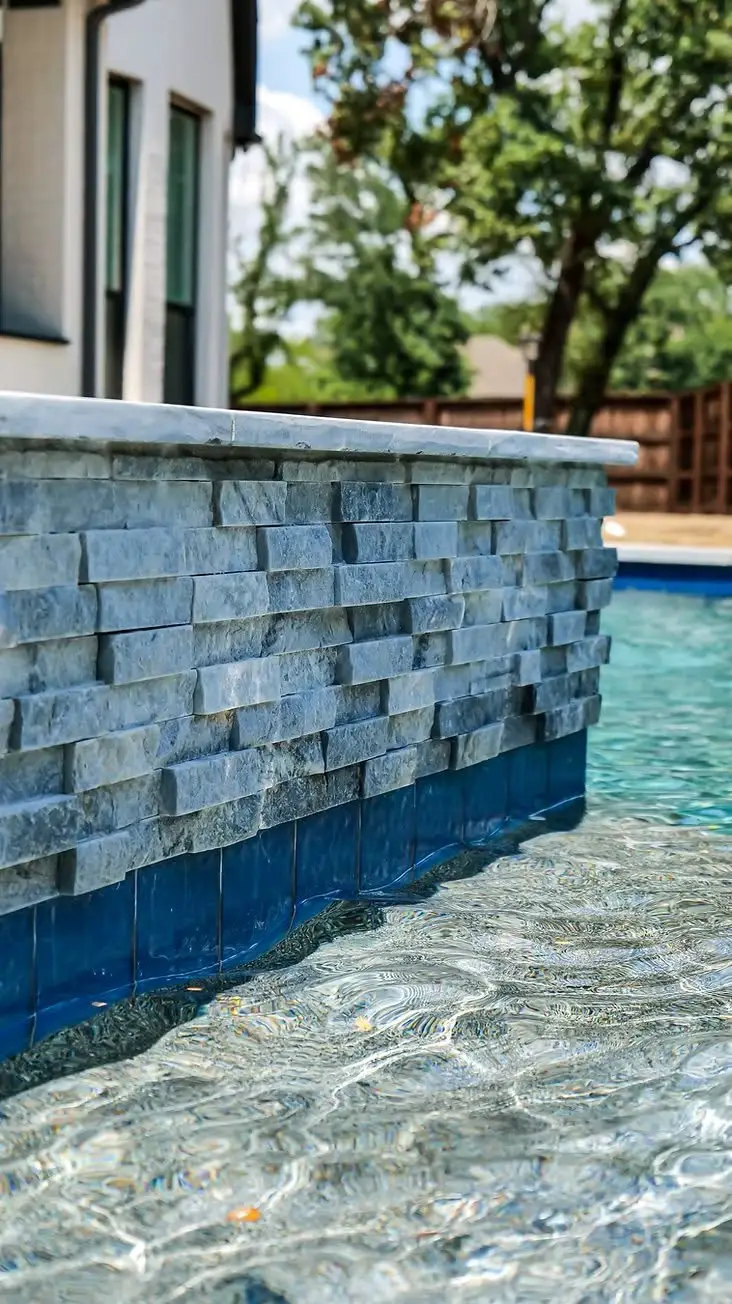

A beautiful pool can make your backyard feel like a private retreat. But there is one problem many homeowners face. The pumps, filters, heaters, and exposed pipes sitting beside the pool often become the first thing people notice.
Many homeowners want to hide pool equipment, but it is not always as simple as placing a cover over it. Pool systems need airflow to prevent overheating. Technicians also need enough room to inspect and repair equipment when needed. Choosing the wrong solution can lead to costly repairs, reduced equipment life, and even safety concerns.
The good news is that there are many practical ways to improve the look of your backyard without causing maintenance problems. From decorative screens and landscaping to custom enclosures and pool houses, there is an option for almost every budget and yard size.
In this guide, you will learn how to hide pool equipment at backyard safely and effectively. We will cover budget-friendly ideas, pool equipment enclosure options, landscaping solutions, ventilation requirements, common mistakes to avoid, and both DIY and professional approaches that actually work.
Why Pool Equipment Should Never Be Completely Covered
When homeowners first look for ways to hide pool equipment, many assume the best solution is to cover everything completely. It sounds simple. Unfortunately, it can create serious problems.
Pool equipment generates heat while operating. Pumps, motors, heaters, and automation systems all produce heat that must escape. When equipment is trapped inside a sealed structure, temperatures can rise quickly. Over time, excessive heat may reduce the lifespan of important components.
Proper pool equipment ventilation is one of the most important factors to consider before building any enclosure. Manufacturers such as Pentair, Hayward, and Jandy provide installation requirements that include minimum clearance recommendations around equipment. These clearances help maintain airflow and allow technicians to perform maintenance safely.
Many equipment manuals recommend approximately 24 inches of side clearance around pumps and filters. Some equipment may require up to 36 inches of service access. Gas heaters often need additional overhead space and open air circulation to operate safely.
Maintenance access is another reason complete coverage is a bad idea. Pool professionals need room to inspect valves, clean filters, repair leaks, and replace parts. If an enclosure blocks access, even a simple repair can become more expensive and time-consuming.
Electrical safety also matters. Pool equipment combines water, electricity, and mechanical systems in one location. Restricted access can make troubleshooting and emergency repairs more difficult.
The goal is not to completely hide equipment behind solid walls. The goal is to reduce visibility while maintaining proper pool equipment clearance and airflow. A well-designed pool equipment enclosure should protect the appearance without interfering with performance.
Now that you understand the safety requirements, the next step is choosing the right concealment method for your backyard.
Factors to Consider Before Hiding Pool Equipment
Before you choose a screen, fence, or enclosure, take a few minutes to evaluate your specific setup. The best solution for one backyard may not work for another.
Start with your budget. Some homeowners only want a simple visual barrier and can solve the problem with decorative planters or a small privacy screen. Others may prefer a custom enclosure or pool house that costs significantly more.
Climate is another important factor. In hot regions, airflow becomes even more critical. Equipment exposed to direct sunlight already operates under higher temperatures. Any enclosure should allow heat to escape easily.
Next, consider the type of equipment you have. A small cartridge filter and single pump require far less space than a full pool pad with a heater, automation controls, salt system, and multiple pumps. Larger systems need more clearance and service access.
You should also check local HOA rules and building requirements. Some communities encourage screening equipment, while others have specific rules about fence height, materials, or structures.
Maintenance access should remain a top priority. If you cannot comfortably reach valves, filters, and controls, the design may create problems later.
When reviewing pool equipment screen and pool equipment cover ideas, ask yourself one simple question: Can this solution improve the appearance of my backyard while still allowing safe operation and easy maintenance?
If the answer is yes, you are on the right track.
1. Install Decorative Privacy Screens
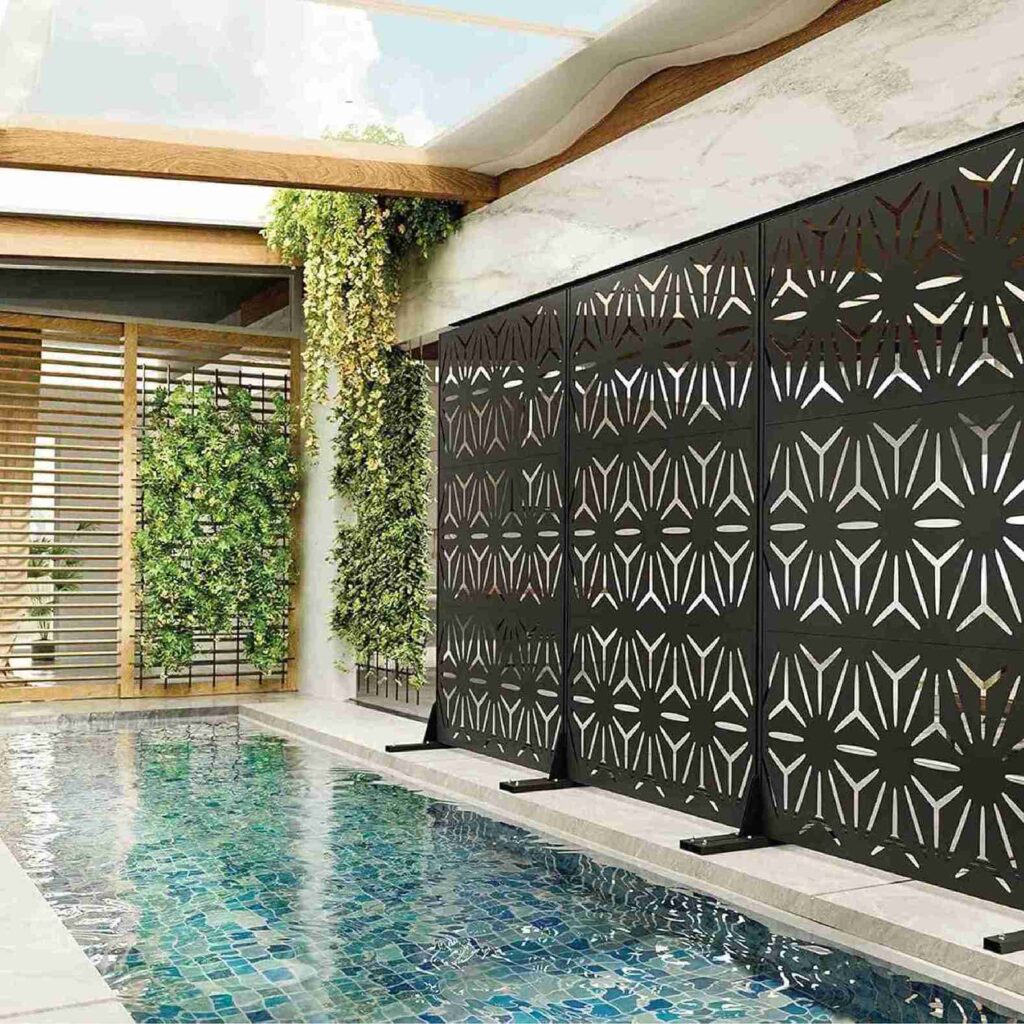
If your pool pump is the first thing people notice when entering the backyard, a decorative privacy screen may be the quickest solution.
Privacy screens are one of the most popular ways to hide pool equipment because they are affordable, attractive, and easy to install. They create a visual barrier without completely enclosing the equipment.
Wood screens remain a favorite choice because they blend naturally with most backyard designs. Cedar is especially popular due to its durability and warm appearance. Composite screens offer a similar look with less maintenance. For a more modern style, laser-cut metal panels can create a striking visual feature.
Freestanding screens are often the easiest option. They can be positioned around the equipment while leaving enough space for airflow and maintenance access.
A modern slatted cedar screen works especially well because the gaps between slats allow ventilation while still blocking the view of pumps and pipes.
The biggest advantage is simplicity. You can dramatically improve the appearance of your backyard in a single weekend. Just make sure the screen does not restrict access when service work is needed.
For homeowners looking for a more permanent solution, a ventilated enclosure may be the next step.
2. Build a Louvered Pool Equipment Enclosure

If you want a cleaner look without sacrificing airflow, a louvered enclosure is one of the best options available.
Unlike solid walls, louvered panels contain angled slats that allow air to move freely through the structure. This helps prevent heat buildup around pumps, filters, and heaters while keeping equipment hidden from view.
Many homeowners choose horizontal cedar louvers because they create a modern appearance that blends well with outdoor spaces. Composite and aluminum louvers are also available if you prefer lower-maintenance materials.
One of the biggest benefits is accessibility. Large doors or removable panels can be built into the enclosure, making routine maintenance much easier. Pool technicians can quickly reach equipment without taking apart the structure.
Custom sizing is another advantage. Whether you have a small pump system or a large pool pad with multiple components, a louvered enclosure can be designed to fit the space.
While this solution costs more than a simple screen, it offers a polished appearance and excellent ventilation. Just remember to follow manufacturer clearance recommendations when planning the enclosure size.
3. Use Horizontal Slat Fencing

Sometimes the simplest solution creates the biggest improvement.
Horizontal slat fencing has become a popular backyard design feature because it looks modern while maintaining airflow. The small gaps between slats allow air circulation and prevent equipment from feeling boxed in.
Many homeowners use cedar slats mounted on black aluminum frames. This combination creates a clean, high-end appearance without requiring a large budget.
Another benefit is flexibility. The fence can be built around a single piece of equipment or used to screen an entire pool equipment area. It can also match existing fencing for a more cohesive backyard design.
Because the structure remains open, maintenance access is usually straightforward. Technicians can often access equipment through a gate or removable section.
Horizontal fencing works especially well in contemporary landscapes where simple lines and natural materials are already part of the design.
For homeowners who prefer a softer, more natural look, landscaping can provide similar coverage.
4. Create a Landscaping Buffer With Shrubs

If you dislike the look of fences or screens, plants can do the job beautifully.
A landscaping buffer uses shrubs and greenery to block the view of pool equipment while helping the area blend into the backyard. When done correctly, the equipment almost disappears into the landscape.
Evergreen shrubs are often the best choice because they provide year-round coverage. Popular options include:
- Podocarpus
- Arborvitae
- Boxwood
- Viburnum
These plants grow dense enough to create privacy while still allowing air to move around the equipment.
Landscaping can also help reduce equipment noise. While shrubs will not eliminate sound completely, they can soften the noise produced by pumps and motors.
The most important rule is spacing. Avoid planting directly against equipment. Leave enough room for airflow, maintenance access, and future growth.
This approach works especially well in traditional and tropical style backyards where greenery already plays a major role in the overall design.
If you want an even more structured look, raised planter beds can offer both screening and visual appeal.
5. Hide Pool Equipment Behind Raised Planter Beds
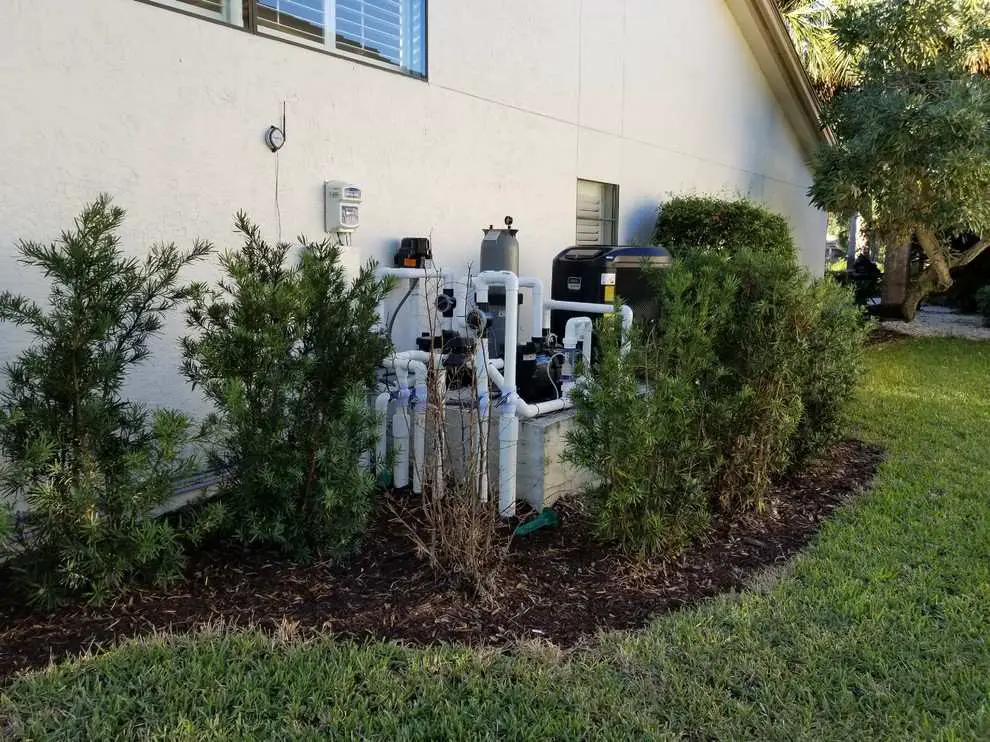
Raised planter beds serve two purposes at the same time. They create a decorative landscape feature while helping conceal unattractive equipment.
A low stone planter wall can partially block the view of pumps, filters, and pipes without enclosing them completely. The result feels intentional rather than trying to hide something.
This approach works particularly well near patios and pool decks where homeowners want a finished appearance. Seasonal flowers, ornamental grasses, and small shrubs can add color and texture throughout the year.
Raised planters also help break up large open spaces. Instead of looking at mechanical equipment, visitors see attractive landscaping.
Be careful not to build planters too close to the equipment. Roots, irrigation systems, and overgrown plants can eventually create maintenance challenges.
When planned correctly, raised planter beds can make pool equipment feel like part of the landscape instead of a separate utility area.
Another option for homeowners seeking a modern look is decorative metal screening.
6. Install Decorative Metal Panels
Decorative metal panels combine function and style in a way few other solutions can.
These panels are available in hundreds of designs, including geometric patterns, nature-inspired cutouts, and contemporary architectural styles. They instantly turn an unattractive equipment area into a design feature.
Powder-coated aluminum is one of the most popular materials because it resists rust and requires very little maintenance. Many homeowners install the panels within simple metal or wood frames.
Laser-cut patterns allow airflow to pass through while still blocking direct views of equipment. This makes them a practical choice for hiding pumps and filters.
Metal panels work especially well in modern homes where clean lines and minimalist landscaping are already present.
The initial cost may be higher than basic fencing, but the finished appearance often looks custom and professionally designed.
If maximum concealment is your goal, you may want to consider a dedicated pool equipment shed.
7. Build a Small Pool Equipment Shed
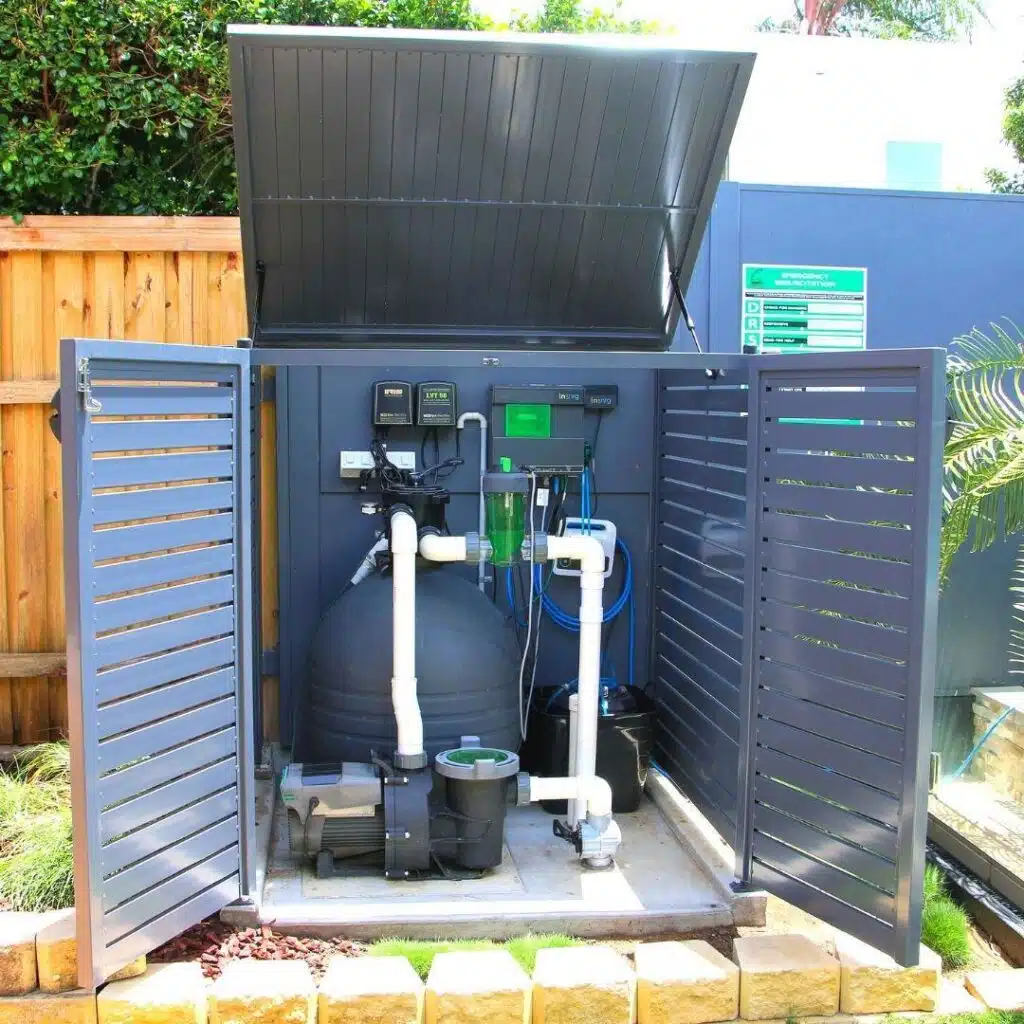
For homeowners who want equipment completely out of sight, a small pool equipment shed is often the most effective solution.
A properly designed shed can hide pumps, filters, heaters, plumbing, and electrical components behind attractive walls and doors. It also protects from weather exposure and can increase the lifespan of certain equipment.
Many homeowners add extra storage inside the shed for pool chemicals, cleaning tools, floats, and maintenance supplies. This helps keep the entire pool area organized.
Ventilation is the most important design requirement. The shed should include louvered vents, screened openings, or other airflow solutions to prevent excessive heat buildup.
Access doors are equally important. Technicians should be able to reach every piece of equipment without moving walls or dismantling the structure.
A small shed can be designed to match your house, fence, or poolside architecture. When done well, it feels like a natural part of the backyard rather than an afterthought.
Although this solution requires a larger investment, it provides one of the cleanest and most organized appearances available.
For homeowners who want durability without building a full shed, composite fencing panels offer another excellent choice.
8. Use Composite Fencing Panels
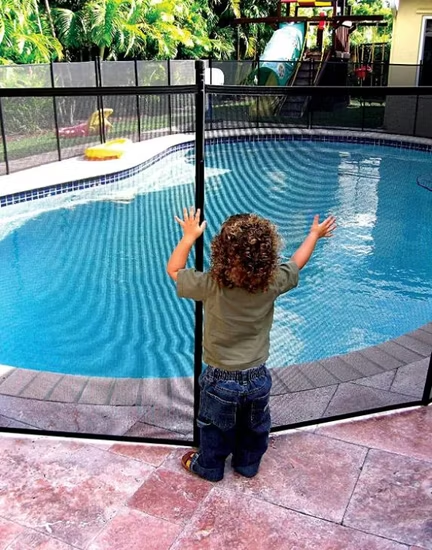
Composite fencing panels provide the appearance of wood without many of the maintenance concerns.
Unlike traditional wood fencing, composite materials resist rot, insect damage, moisture, and fading. This makes them especially useful around pools where humidity and water exposure are common.
Many composite systems come in neutral colors that blend easily with modern backyard designs. Some products closely resemble natural wood grain while requiring very little upkeep.
Installation is similar to standard privacy fencing. Panels can be arranged around equipment to create a simple visual barrier while leaving space for ventilation and service access.
Many homeowners choose Trex-style screening systems because they offer long-term durability and a clean appearance.
While the upfront cost is usually higher than wood, the reduced maintenance can make composite fencing a smart long-term investment.
For homeowners looking to add greenery and modern style at the same time, a living wall may be the perfect solution.
9. Add a Living Wall
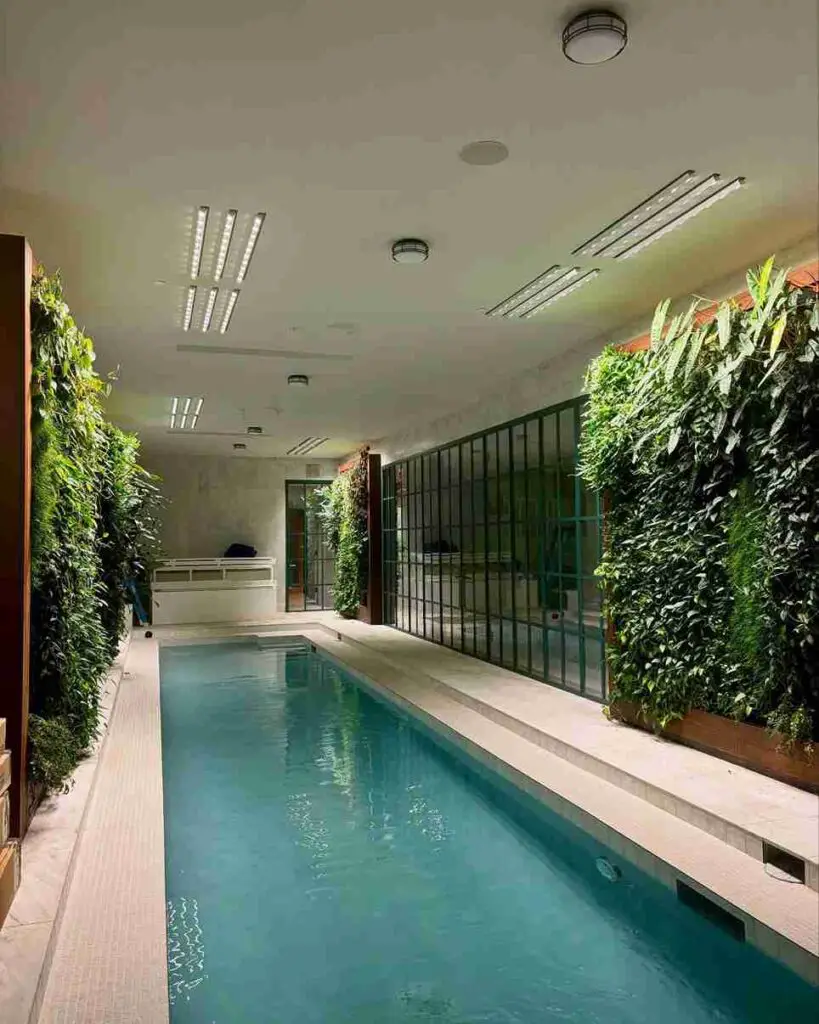
If you want to hide pool equipment and make your backyard feel more inviting, a living wall is worth considering.
A living wall uses plants arranged vertically on a frame or panel system. It creates a green backdrop that helps equipment blend into the landscape rather than stand out.
This option works well in smaller yards because it uses vertical space instead of taking up valuable ground area. Homeowners can choose real plants for a natural look or artificial greenery for easier maintenance.
Popular plant choices include ferns, ivy, pothos, and ornamental grasses. The right selection depends on your local climate and sunlight conditions.
Besides improving appearance, a living wall can soften the industrial look of pumps, filters, and plumbing. It can also add texture and color to an otherwise plain section of the yard.
Keep enough space between the wall and equipment to allow airflow and service access. The goal is to conceal the equipment, not trap heat around it.
For a simpler and more affordable option, extending an existing fence may be all you need.
10. Extend Existing Backyard Fencing
Sometimes the best solution is the one that already matches your yard.
Extending an existing fence creates a seamless appearance and often costs less than building a custom enclosure. Instead of adding a completely new structure, you simply continue the design that is already present.
This works especially well when pool equipment sits near a property line or corner of the yard. A short fence extension can block the view from most angles while preserving access and ventilation.
Many homeowners prefer this option because it looks intentional. Visitors often assume the equipment area was part of the original landscape design.
Fence extensions are also more likely to comply with HOA requirements since they use materials and styles already approved for the property.
Just make sure gates and access points remain large enough for maintenance work.
If construction is not an option, decorative planters can provide a quick visual upgrade.
11. Use Large Decorative Planters
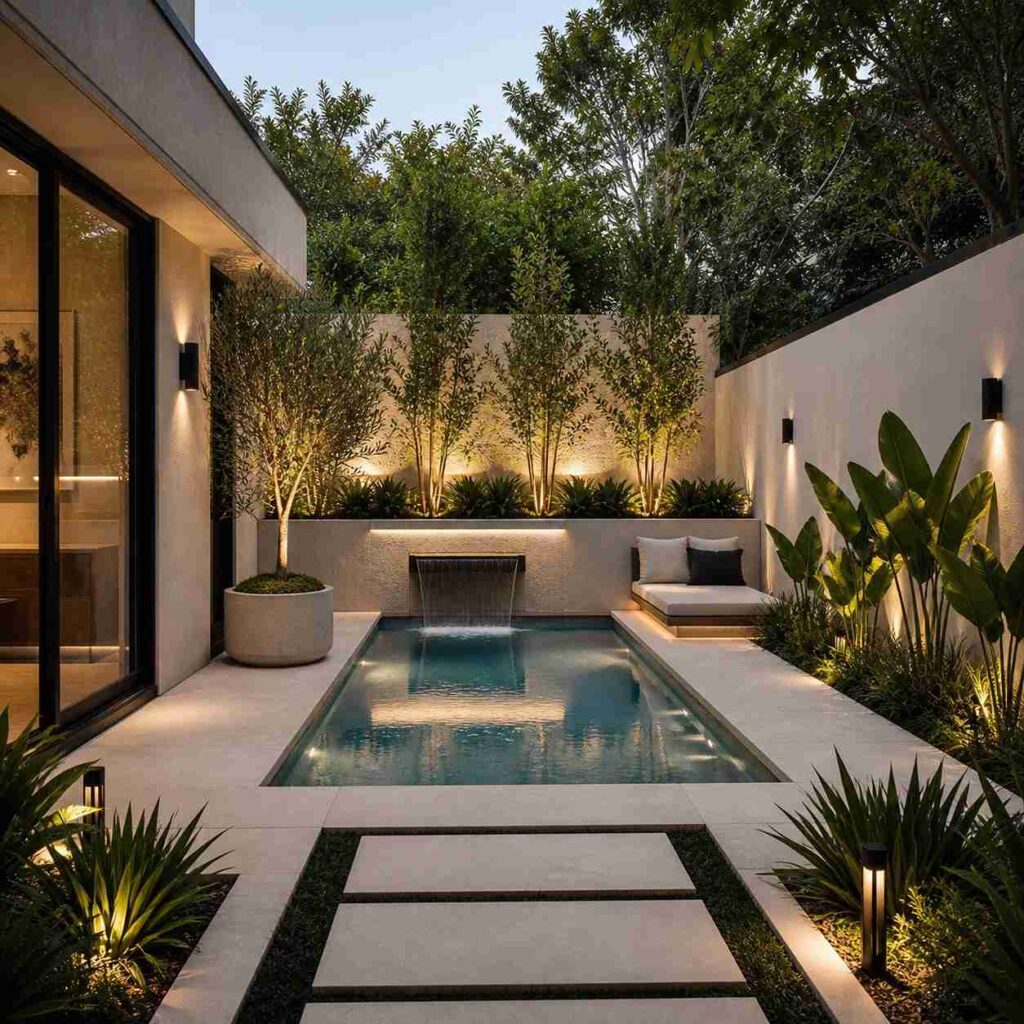
Not every backyard project needs power tools and weekend construction.
Large decorative planters offer one of the easiest ways to hide pool equipment. They can be placed around pumps and filters to block views without creating permanent structures.
Tall ceramic pots, concrete containers, and modern fiberglass planters work particularly well. Pair them with ornamental grasses, dwarf shrubs, or flowering plants to create a softer appearance.
One advantage is flexibility. If you need access to equipment, simply move the planters. This makes the idea especially useful for renters or homeowners who prefer temporary solutions.
Planters also allow you to experiment with different layouts before committing to a larger project.
While they may not completely hide large pool systems, they can significantly reduce visual clutter at a very reasonable cost.
For homeowners seeking a premium appearance, stone or brick walls provide a more permanent solution.
12. Build a Stone or Brick Equipment Wall
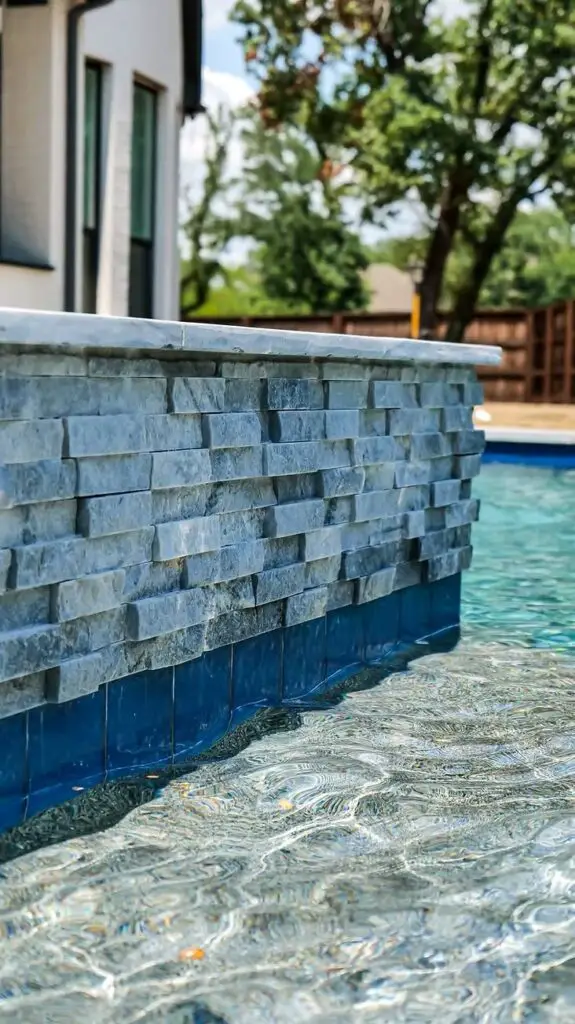
A stone or brick wall can transform an unattractive equipment area into a feature that complements the rest of your outdoor space.
This solution works particularly well when the backyard already includes stone patios, outdoor kitchens, fire pits, or retaining walls. Matching materials helps everything feel connected.
Instead of building a fully enclosed structure, most homeowners create a partial wall that blocks visibility from key viewing angles while leaving room for airflow and maintenance access.
Natural stone provides a timeless appearance. Brick offers a more traditional look. Manufactured stone veneer can reduce costs while achieving a similar effect.
The main advantage is durability. A properly built wall can last for decades with very little maintenance.
However, careful planning is important. Leave enough room for service technicians and always maintain manufacturer-recommended clearances.
If your budget allows for a larger backyard project, incorporating equipment into a pool house can provide the cleanest result of all.
13. Incorporate Equipment Into a Pool House Design
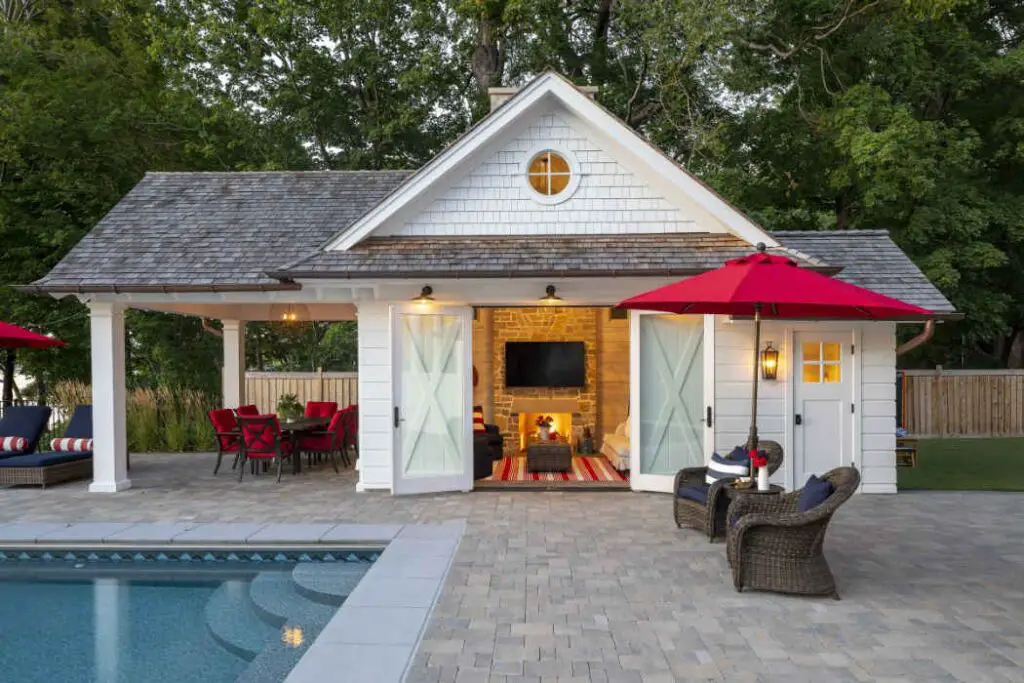
When building a new pool area or planning a major renovation, a pool house can solve several problems at once.
A dedicated utility room inside the structure can completely hide pumps, filters, heaters, automation systems, and plumbing equipment. From the outside, visitors see only a finished building.
This approach creates a cleaner backyard while also providing useful storage space. Many pool houses include bathrooms, changing rooms, outdoor kitchens, lounges, or entertainment areas.
Because equipment is stored inside a dedicated room, it remains protected from direct sunlight and harsh weather conditions.
Proper ventilation is still required. The utility room should include vents, louvers, or mechanical airflow systems designed to handle heat generated by pool equipment.
While this is the most expensive option on the list, it delivers one of the most attractive and organized results.
For many homeowners, combining several smaller solutions creates a similar effect at a much lower cost.
14. Combine Screening and Landscaping
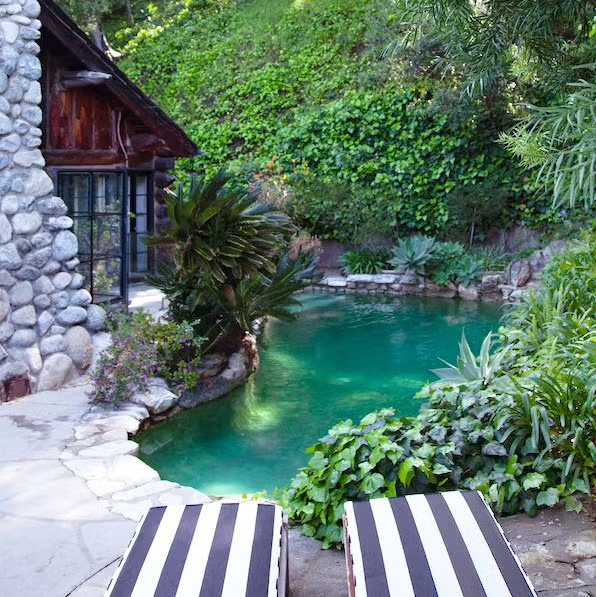
One screening method is good. Combining multiple methods is often even better.
A decorative wood screen paired with evergreen shrubs creates layers that help equipment disappear into the landscape. Instead of focusing on one barrier, the eye notices plants, textures, and design features.
This approach often provides better sound reduction than a single screen alone. The combination of hard surfaces and vegetation helps soften pump noise.
For example, you might install a cedar privacy screen behind the equipment and add Viburnum shrubs in front. The result feels natural and intentional rather than purely functional.
Layered screening also works well in larger backyards where equipment is visible from multiple directions.
Just avoid overcrowding the area. Adequate airflow and service access should always come first.
If you enjoy DIY projects, decorative trellis panels offer another affordable option.
15. Use Outdoor Decorative Trellis Panels
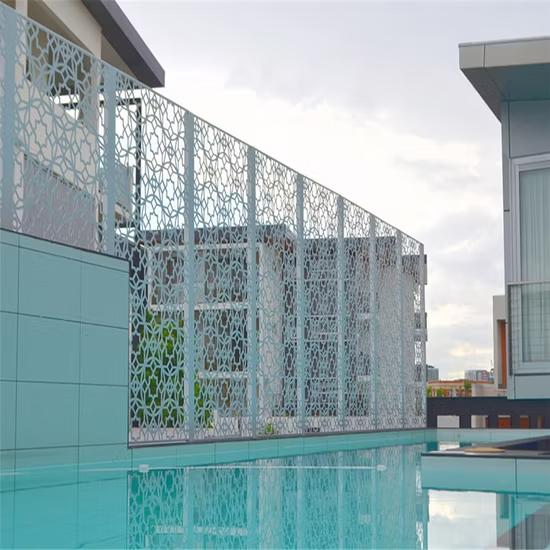
Trellis panels provide an easy and budget-friendly way to hide pool equipment while adding character to your backyard.
Unlike solid fences, trellises allow air to move freely through the structure. This makes them a safer option around pool equipment that requires ventilation.
Many homeowners install wooden or vinyl trellis panels and train climbing plants to grow across them. Popular choices include star jasmine, climbing roses, and clematis.
As the plants mature, the equipment becomes less visible while the backyard gains additional greenery.
Trellis panels are also beginner-friendly. Most can be installed in a single afternoon using basic tools.
Although this option takes time to reach full coverage, it can create one of the most natural-looking screening solutions available.
Common Mistakes When Hiding Pool Equipment
Even the best-looking enclosure can create problems if it is designed incorrectly.
Mistake 1: Blocking Airflow
Pool equipment needs fresh air to operate properly. Surrounding pumps and heaters with solid walls can trap heat and shorten equipment life.
Mistake 2: Ignoring Service Access
Technicians need room to inspect, repair, and replace equipment. If every panel is fixed in place, even simple maintenance becomes difficult.
Mistake 3: Planting Too Close
Shrubs and vines may look neat at first. A few years later, they can block valves, restrict airflow, and create extra maintenance work.
Mistake 4: Ignoring Heater Clearances
Gas heaters require specific side and overhead clearances. Always follow the manufacturer’s instructions before building around them.
Mistake 5: Using Solid Walls on All Sides
A fully enclosed structure often creates ventilation issues. Open slats, louvers, vents, or gaps are usually a safer choice.
The goal is to improve appearance while maintaining proper pool equipment ventilation and accessibility.
Best Solution Based on Your Budget
The right solution often depends on how much you want to spend.
| Budget | Recommended Solutions |
|---|---|
| Under $100 | Decorative planters, trellis panels, small shrubs |
| $100 to $500 | Privacy screens, fence extensions, basic landscaping |
| $500 to $2,000 | Custom enclosures, composite fencing, decorative metal panels |
| $2,000+ | Equipment sheds, stone walls, pool house integration |
Homeowners with limited budgets can still achieve impressive results using plants and screens.
Mid-range budgets allow for more durable and attractive structures.
Larger budgets open the door to custom-built solutions that completely transform the appearance of the backyard.
Choose the option that balances appearance, maintenance needs, and long-term value.
Frequently Asked Questions
Can Pool Equipment Be Completely Enclosed?
No. Pool equipment requires airflow and maintenance access. Completely sealed enclosures can create overheating and safety issues.
How Far Should Plants Be From Pool Equipment?
Leave enough room for airflow, equipment access, and future plant growth. Avoid placing dense shrubs directly against equipment.
Does Hiding Pool Equipment Reduce Noise?
Yes. Screens, fences, walls, and landscaping can help reduce the amount of equipment noise you hear around the yard.
What Is the Cheapest Way to Hide Pool Equipment?
Large planters, shrubs, and trellis panels are usually the most affordable options.
Do Pool Equipment Enclosures Increase Equipment Life?
A properly ventilated enclosure can help protect equipment from weather exposure while still allowing safe operation.
Conclusion
Pool equipment is necessary, but it does not have to become the focal point of your backyard. Decorative screens, fencing, landscaping, planter beds, custom enclosures, sheds, and pool houses can all improve the appearance of your outdoor space while keeping equipment accessible and properly ventilated.
The best solution depends on your budget, available space, and the type of equipment you own. Before starting any project, review manufacturer clearance requirements and make sure technicians can still access the equipment when needed.
Take a look at your current pool setup, identify the biggest visual problem, and start with the solution that fits your space and budget. By using these ideas for how to hide pool equipment in the backyard, you can improve the appearance of your outdoor space without compromising safety or equipment performance.