
Looking for yard drainage ideas that actually solve standing water? The right solution can help prevent muddy patches, protect your foundation, reduce erosion, and keep your landscape looking its best without turning your yard into a major construction project.
Water has a way of finding the worst places to collect. One heavy rain can leave puddles across the lawn, soggy flower beds, or water sitting far too close to your home’s foundation.
I’ve dealt with yards that stayed wet for days after every storm, and I know how frustrating it is to watch healthy grass disappear while muddy spots keep getting bigger. Trying random fixes rarely works because every yard drains a little differently.
Learning how water naturally moves across your property makes a huge difference. Small changes, like improving runoff, redirecting downspouts, or adding the right drainage feature, can solve problems before they become expensive repairs.
After seeing these ideas in action, it’s easy to understand why good drainage is one of the smartest upgrades you can make for a healthier, cleaner, and easier to maintain yard.
1. Decorative Catch Basin With River Rocks
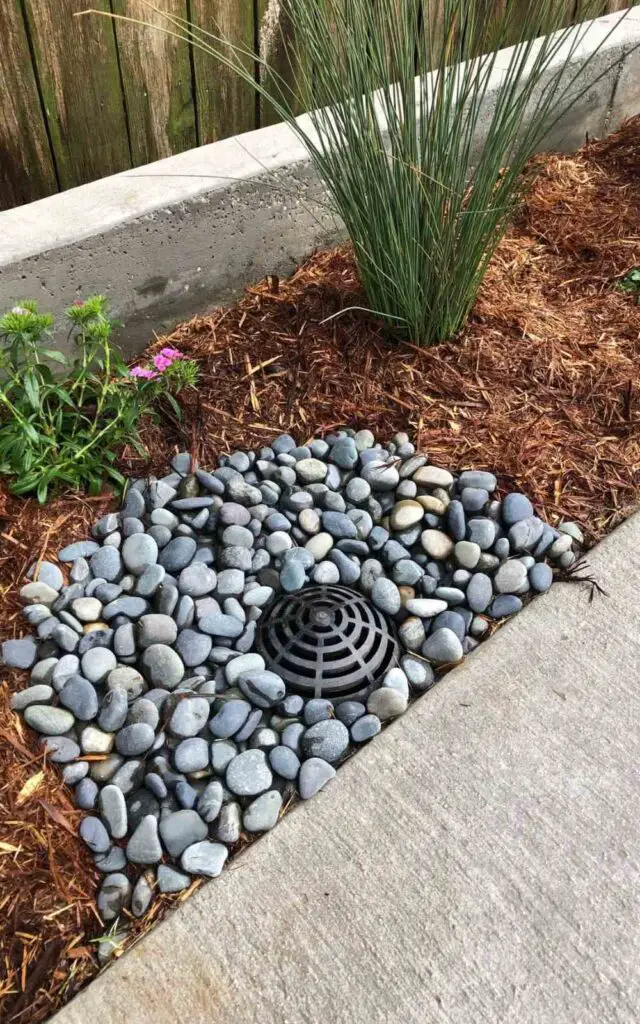
Right beside the walkway, this catch basin collects rainwater before it spreads across the yard. Smooth river rocks help guide water into the drain while keeping mulch and soil in place.
Surrounding plants soften the look, making the drain blend into the garden. Clear the grate now and then to keep water flowing freely.
2. Dry Creek Bed Drainage
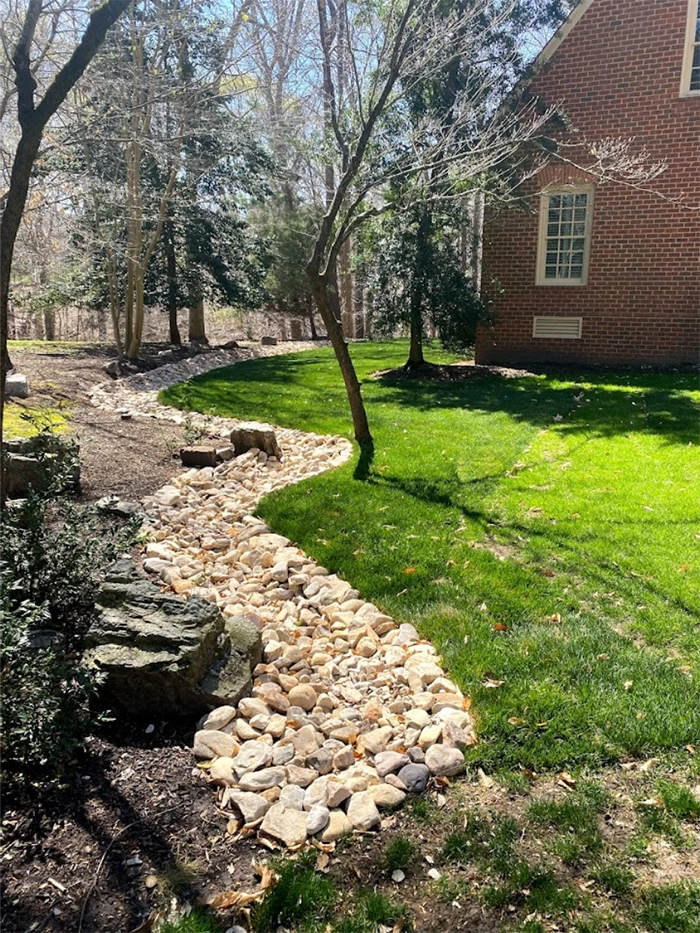
Curving across the yard, this dry creek bed gives rainwater a natural path to follow. River rocks slow the flow and help reduce soil erosion during heavy storms.
The winding layout also adds texture to the landscape. Larger stones along the edges help keep the channel stable over time.
3. Linear Trench Drain Along the Lawn
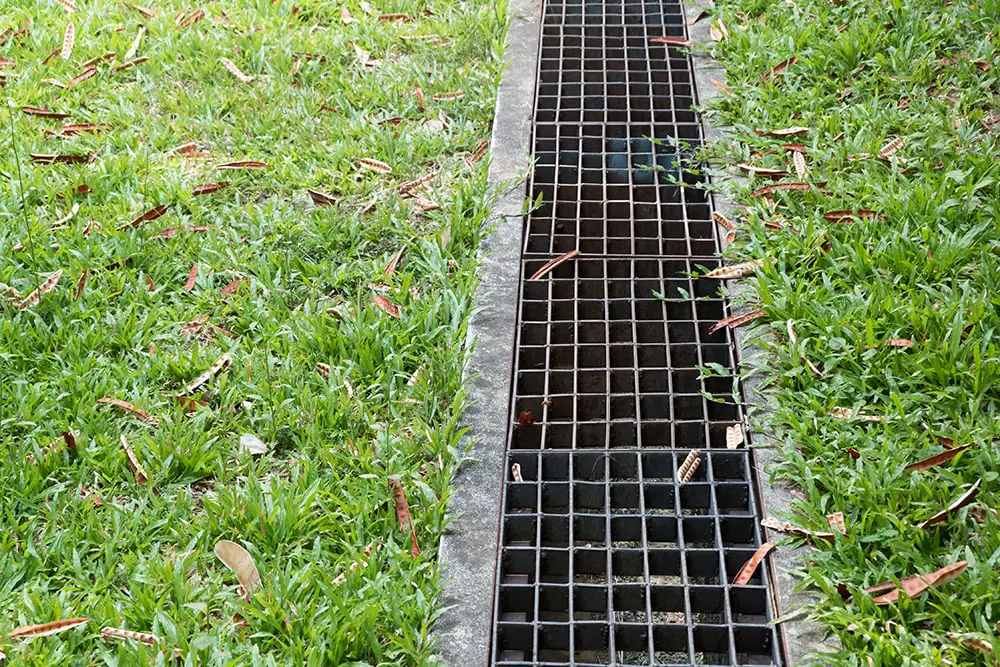
Long metal grates collect runoff before puddles form on the grass. The narrow design sits flush with the ground, making it easy to mow and walk across.
Leaves and grass clippings should be removed regularly to prevent blockages. This style works well in low areas that collect water.
4. Natural Rock Swale Drainage
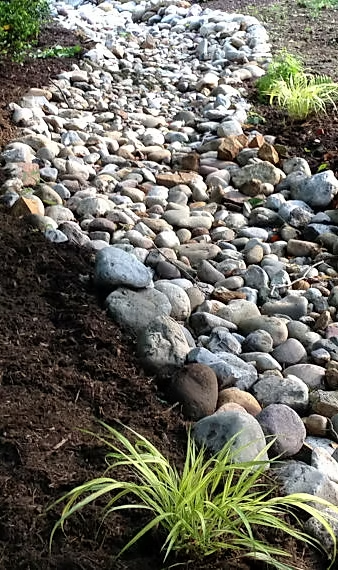
Instead of letting water wash across the yard, this rock swale directs it through a stone-lined channel. Mixed rock sizes slow the flow and protect the surrounding soil.
Small ornamental grasses soften the edges and create a more natural look. Check the channel after storms and remove any built-up debris.
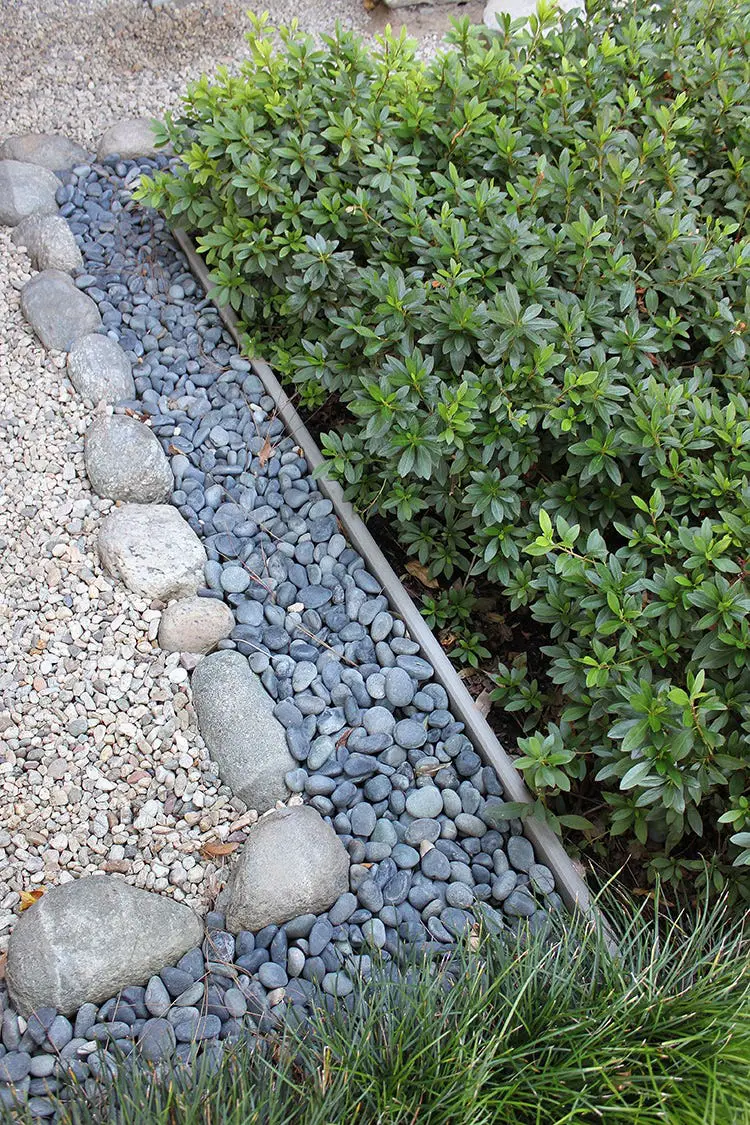
5. River Rock Border Drainage Channel
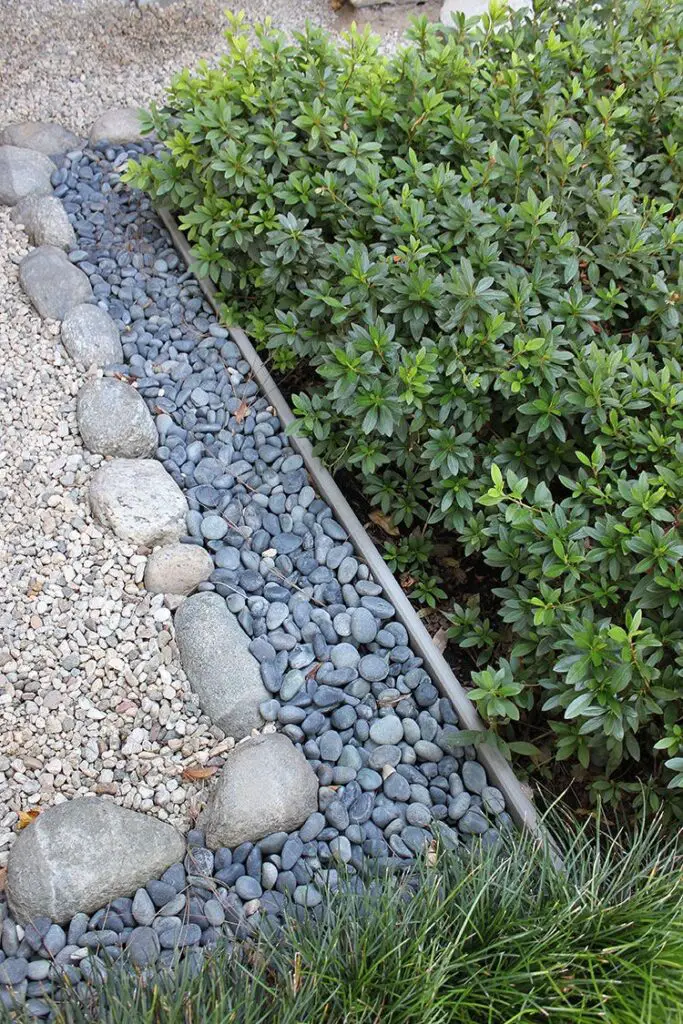
Smooth river rocks create a narrow channel that carries excess water through the garden bed. Large border stones keep everything contained and give the feature a clean shape.
Evergreen shrubs help hide the drainage system without affecting its function. Remove leaves from the rocks occasionally so water can pass through with ease.
6. French Drain Installation
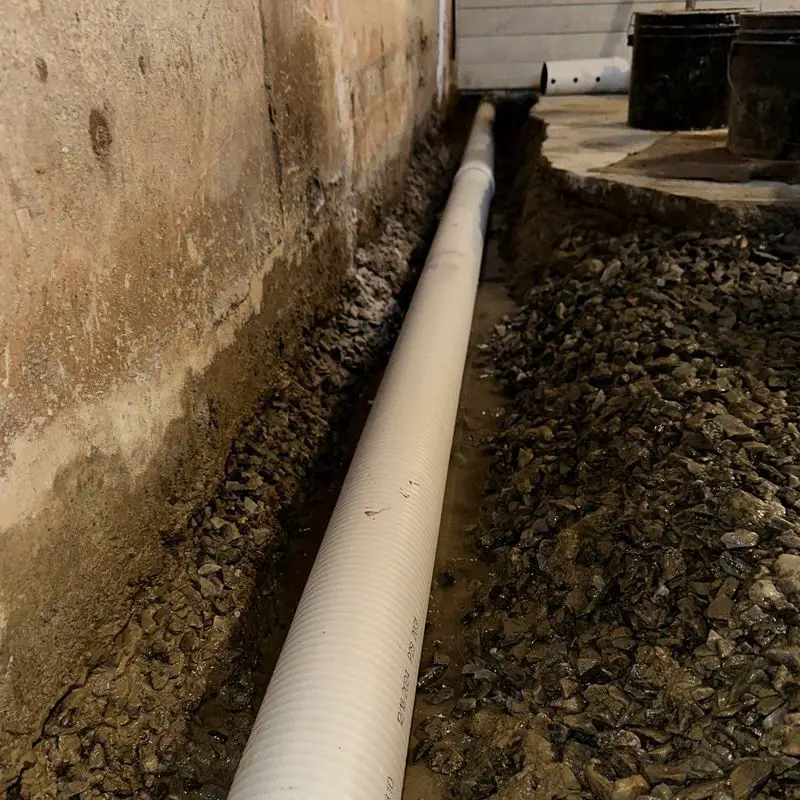
Hidden below the ground, this French drain moves water away from the foundation before moisture becomes a bigger problem. The perforated pipe sits inside a gravel-filled trench, allowing water to enter and flow to a safer outlet.
This system works well for yards with wet basements or standing water near the house. A proper slope is important so water drains away instead of collecting inside the pipe.
7. Downspout Rock Drainage Garden
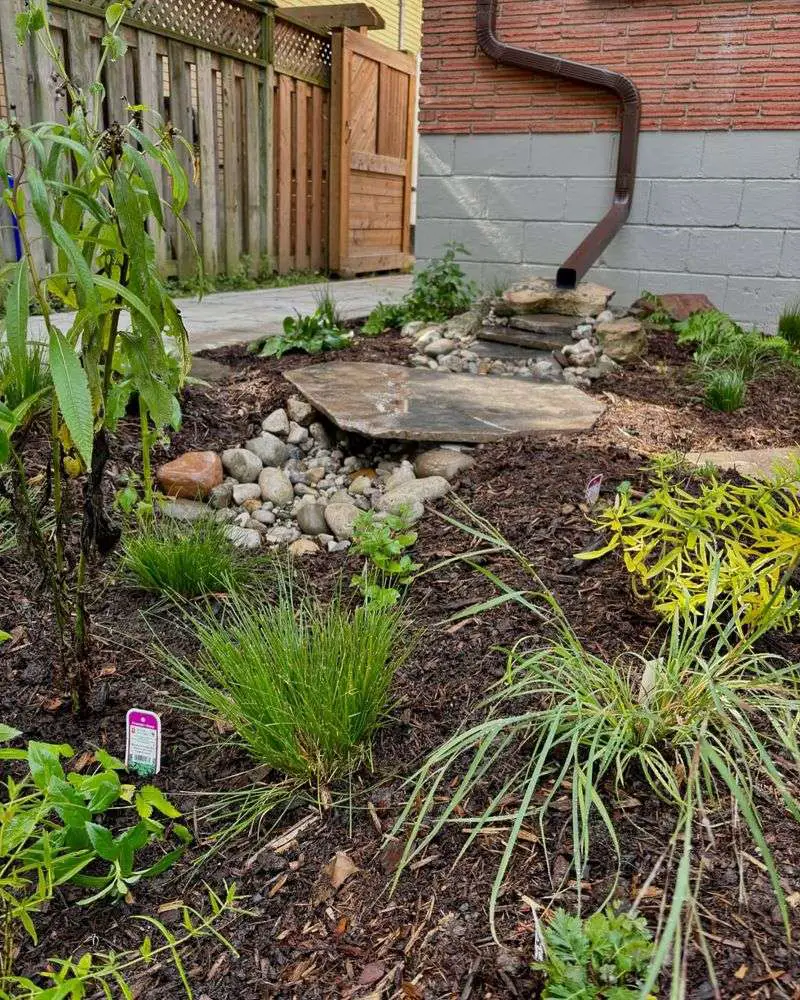
Instead of letting the downspout empty onto bare soil, this setup directs water into a small rock-filled drainage area. Decorative stones slow the flow and help protect the garden bed from erosion.
Native plants around the rocks make the space look natural while handling extra moisture. The feature blends into the landscape without drawing too much attention.
8. Dry Well Drainage Pit
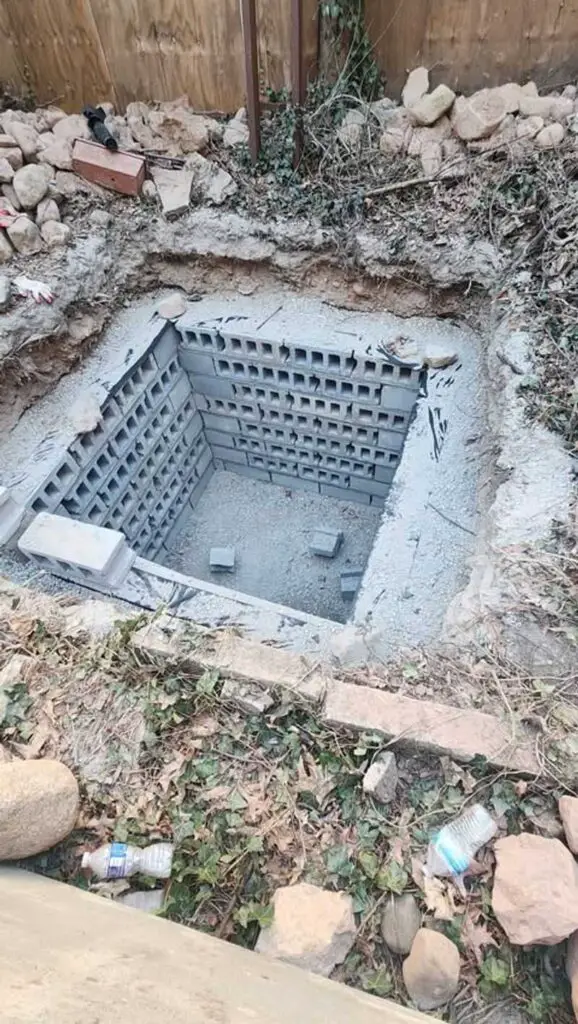
Buried below ground, this dry well stores excess rainwater and lets it soak slowly into the surrounding soil. The deep chamber helps reduce surface flooding after heavy rain.
This option works best where water has nowhere else to drain naturally. Cover the opening securely and inspect it occasionally for sediment buildup.
9. Underground Yard Drainage Outlet
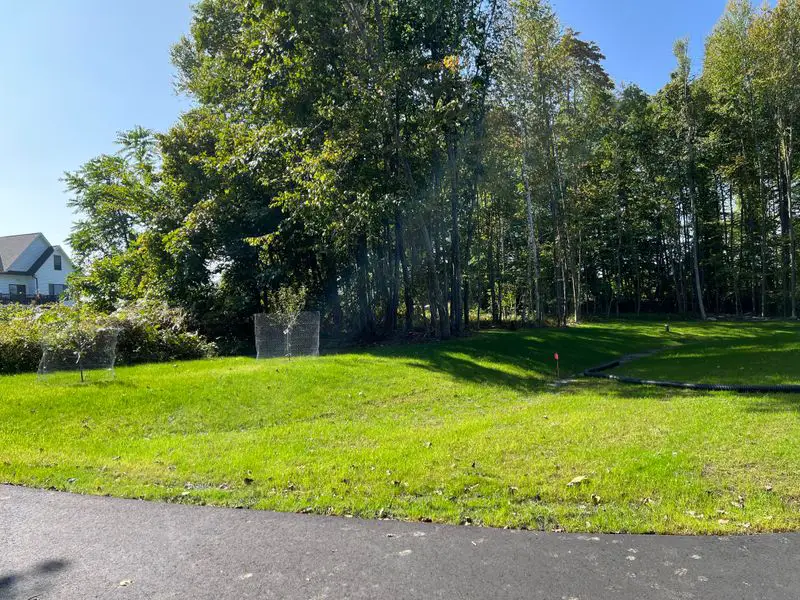
Wide open lawns often need a place for collected water to exit safely. This drainage outlet releases runoff away from the house without creating muddy areas around the foundation.
Keeping the outlet clear of grass and debris helps maintain steady water flow. The discharge point should always face the lower part of the property.
10. Gravel Drainage Pathway
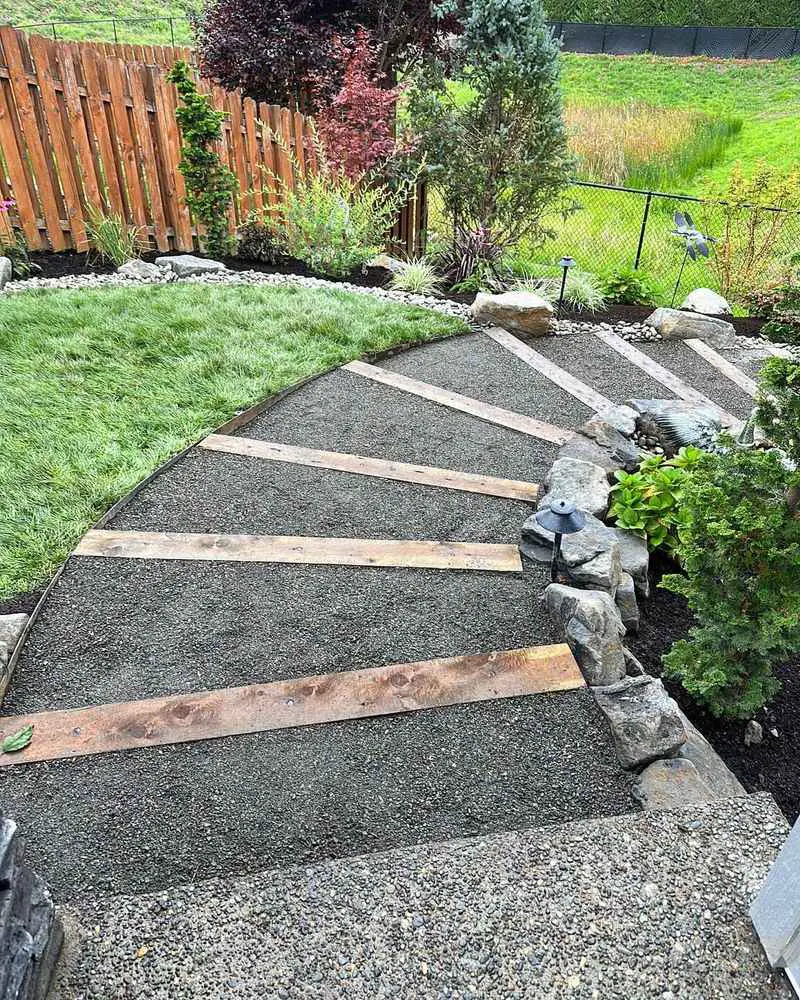
More than a simple walkway, this gravel path also helps manage rainwater across the landscape. Loose gravel allows water to soak through while reducing runoff during storms.
Large rocks along the edge keep the gravel contained and give the path a finished appearance. Regular raking helps maintain an even surface over time.
11. Lawn Core Aeration
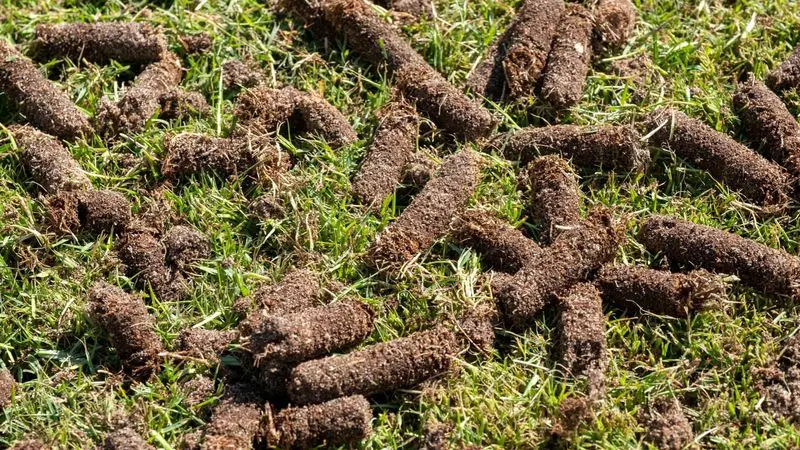
Small soil plugs removed during core aeration help loosen compacted ground. Water can soak deeper into the soil instead of sitting on the surface after rain.
Repeat aeration once or twice a year if the lawn gets heavy foot traffic. Healthier soil usually means better drainage and stronger grass.
12. Flexible Downspout Extension
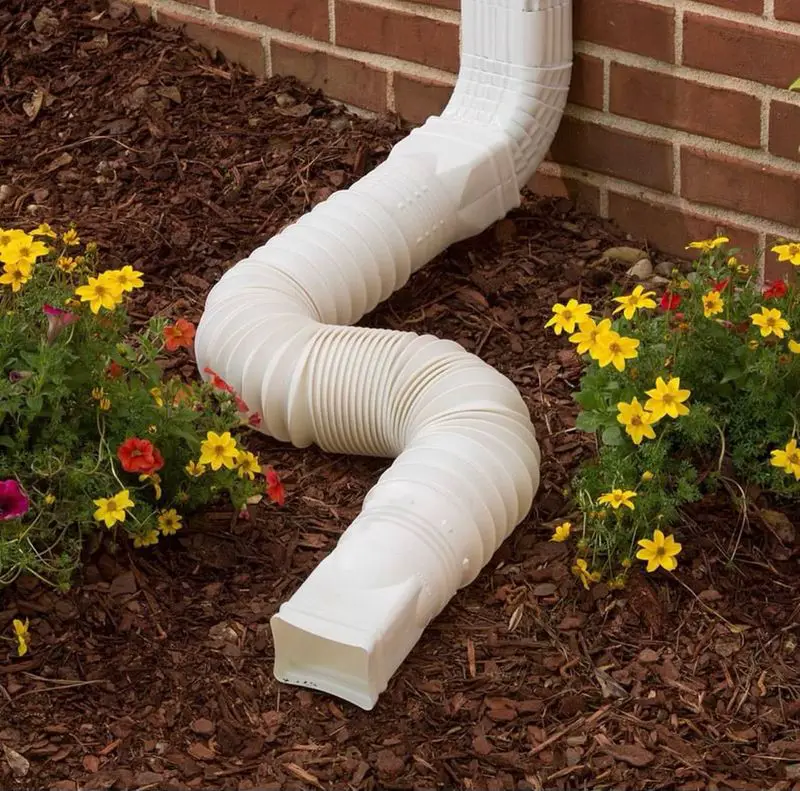
Flexible drain tubing carries rainwater farther away from the foundation. This helps keep water from collecting beside the house after storms.
The extension bends easily around flower beds and landscaping. Make sure the outlet ends on lower ground for better drainage.
13. Rain Barrel Collection System
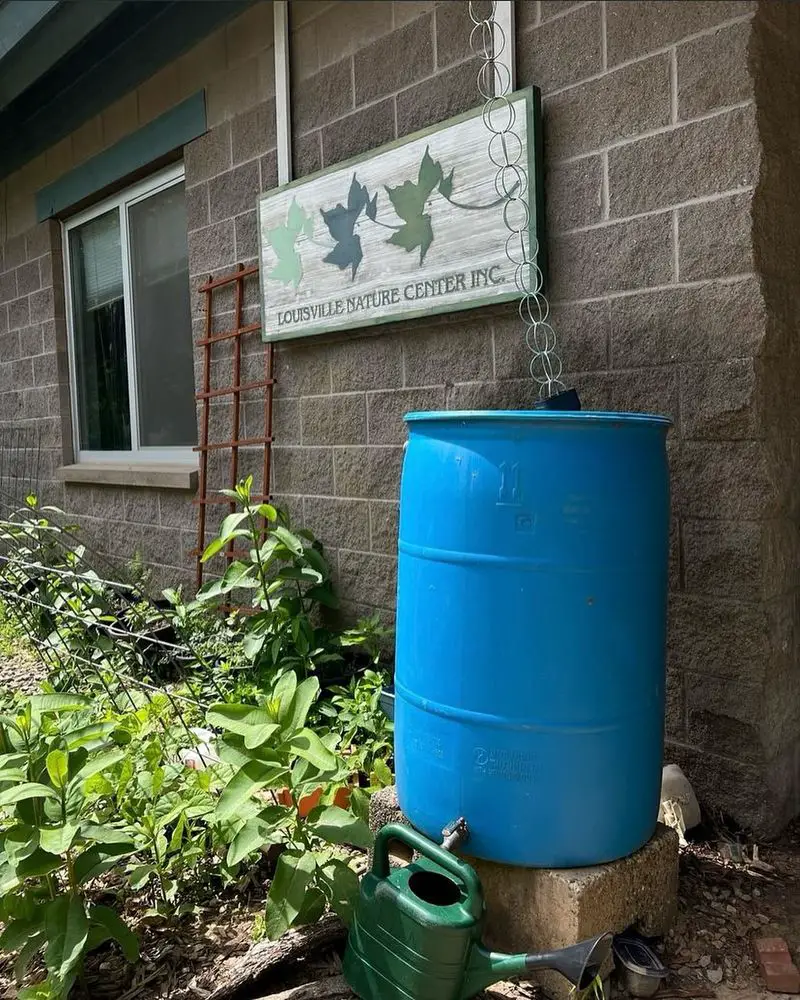
Rainwater from the roof flows into a storage barrel instead of running across the yard. The collected water can later be used for watering plants and garden beds.
Raising the barrel on blocks makes it easier to fill a watering can. Clean the screen regularly to keep leaves out.
14. Driveway Channel Drain
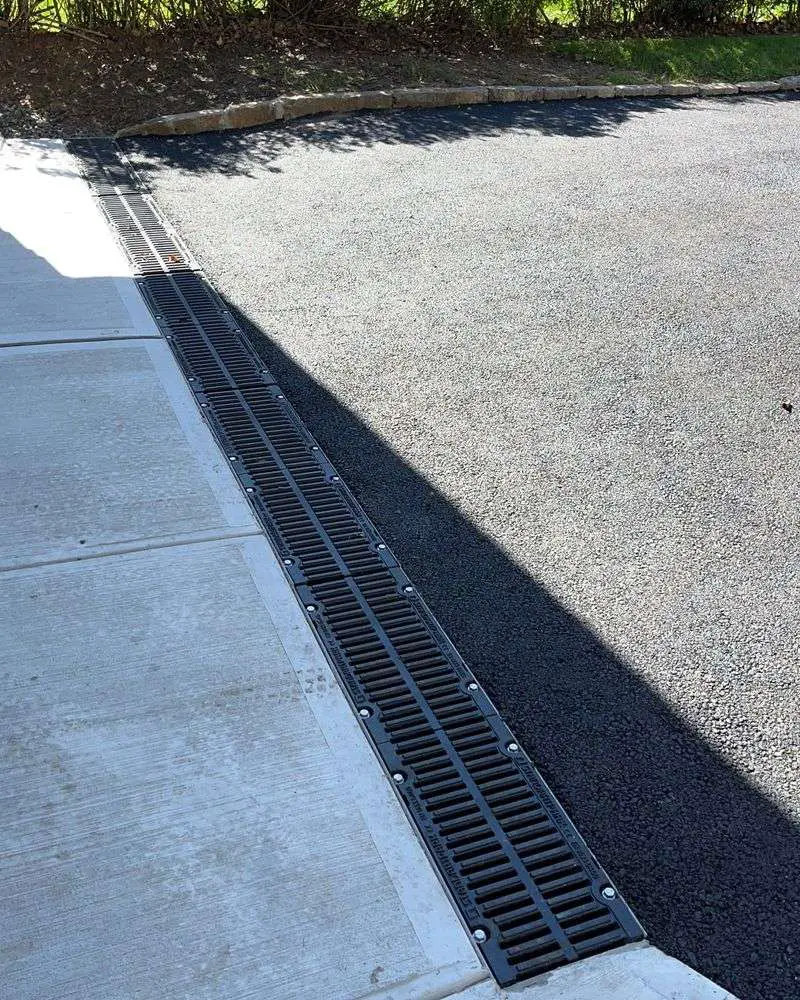
Running along the edge of the driveway, this channel drain captures runoff before it reaches the garage or nearby walkway. The long grate handles large amounts of water during heavy rain.
Remove leaves and dirt from the grate every so often. Regular cleaning helps water move through the system without slowing down.
15. Gravel Landscape Drainage Strip
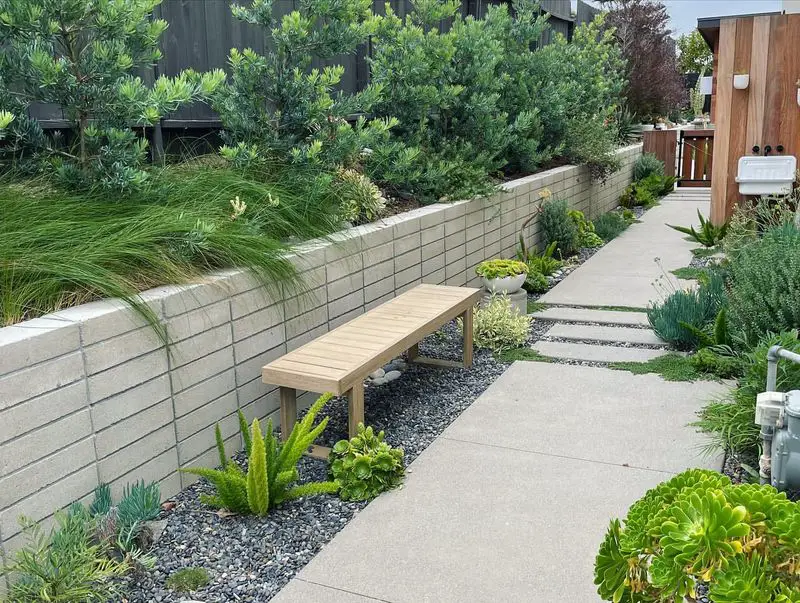
Decorative gravel placed beside the walkway improves drainage while giving the landscape a clean finish. Water drains through the stones instead of pooling against the retaining wall.
Low-maintenance plants soften the space and blend with the gravel. Refresh the stones occasionally to keep the area looking neat.
16. Terraced Garden Drainage
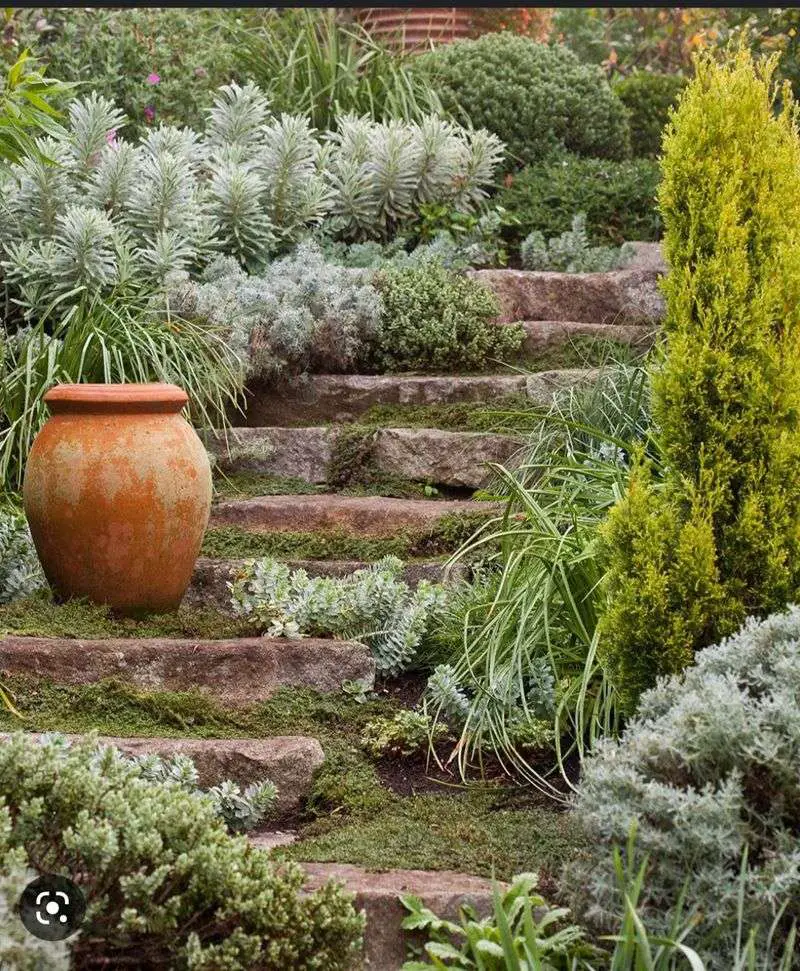
Stone terraces slow rainwater as it moves down the slope. The stepped layout reduces erosion while giving plants more stable growing areas.
Ground covers between the stones help hold the soil in place. This approach works well on sloped yards with drainage issues.
17. Organic Mulch Ground Cover
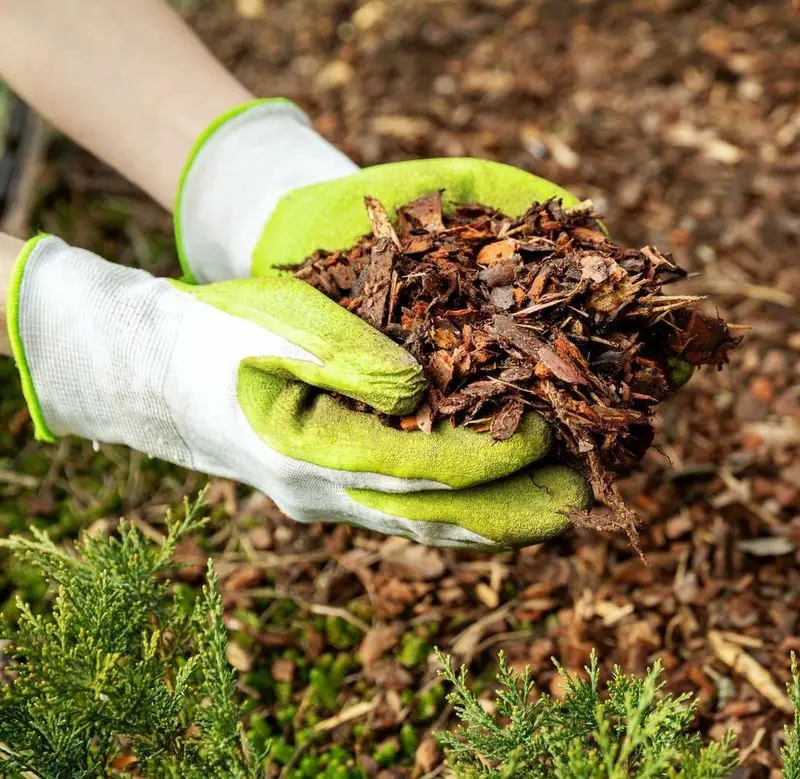
Fresh mulch helps the soil absorb rainwater more evenly. It also reduces runoff by slowing water before it reaches bare ground.
Spread mulch in an even layer around plants without piling it against stems. Replace it as it breaks down over time.
18. Culvert Drain Under the Driveway
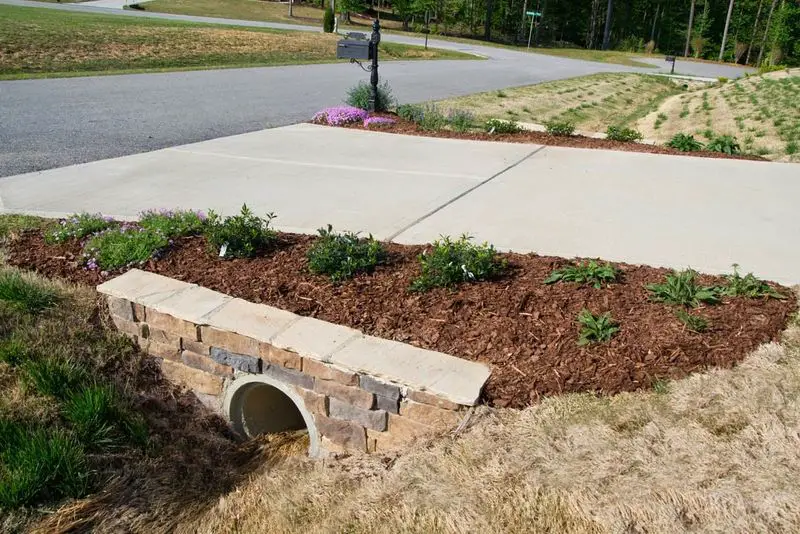
A culvert pipe carries water beneath the driveway instead of allowing it to flood the surface. The retaining wall helps support the soil around the pipe.
Keep the pipe opening clear of weeds and debris. Good water flow helps prevent erosion around the entrance.
19. Foundation Gravel Drain
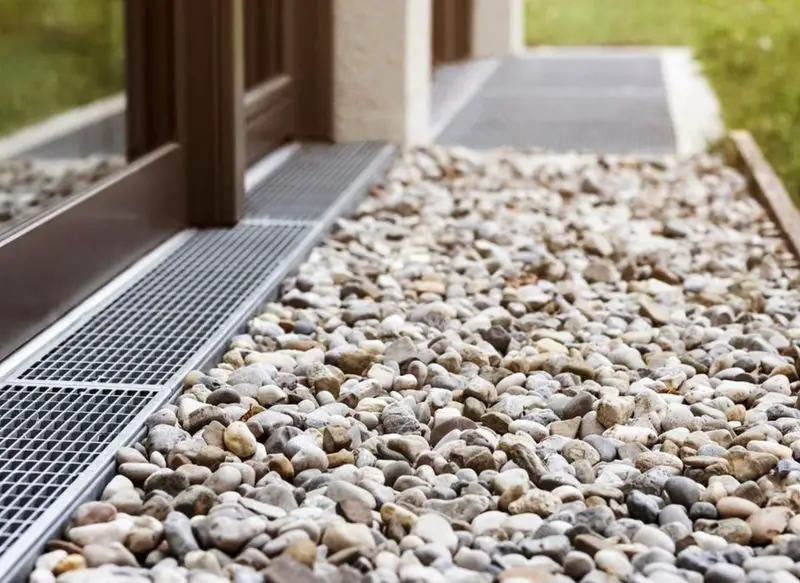
River rocks beside the foundation help rainwater drain away from the house. The metal grate collects excess water before it reaches doors or windows.
This combination protects the foundation while giving the edge of the home a clean appearance. Check the grate regularly for leaves and dirt.
20. Downspout Drain Connection
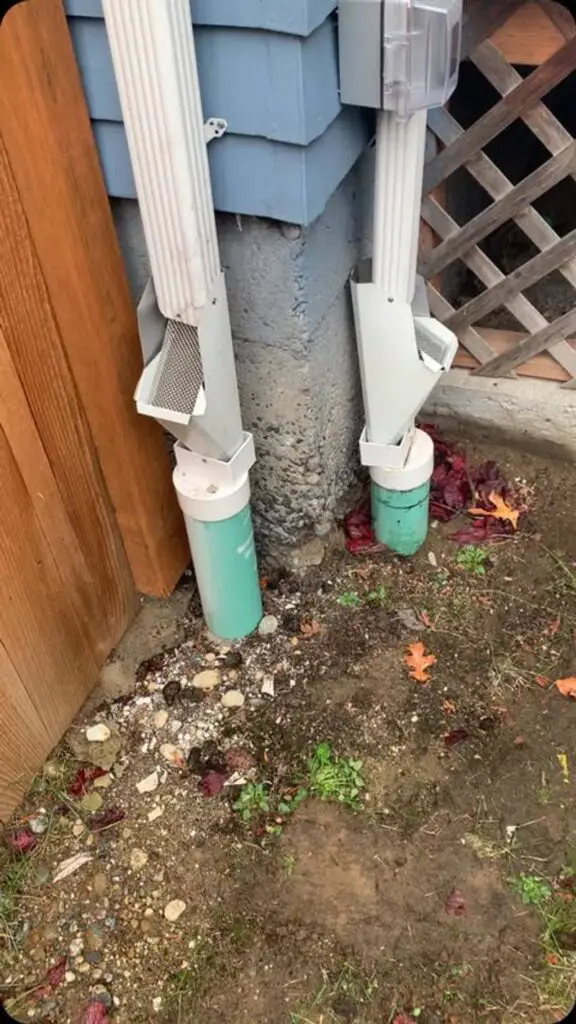
Underground drain connections move roof runoff directly into buried pipes. Water leaves the foundation area without flowing across the yard.
Clean the downspout filter occasionally to prevent blockages. This setup helps reduce erosion around the base of the house.
21. Catch Basin With French Drain
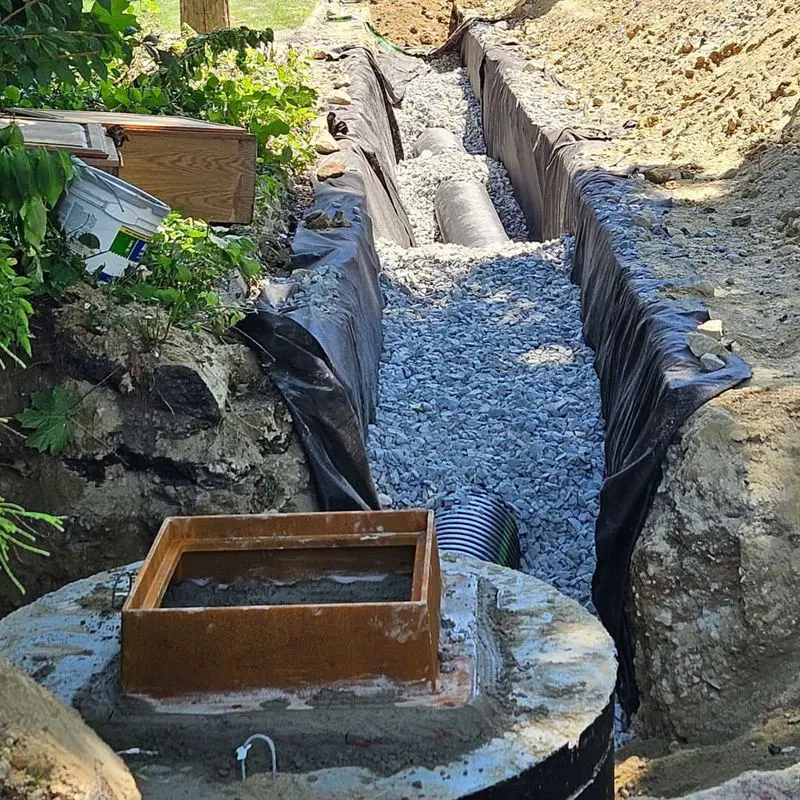
This drainage system combines a catch basin with a buried French drain. Water enters the basin first, then travels through the gravel-filled pipe to a safer discharge point.
Landscape fabric around the trench helps keep soil out of the gravel. This setup works well in yards that stay wet after heavy rain.
22. Rain Garden Basin
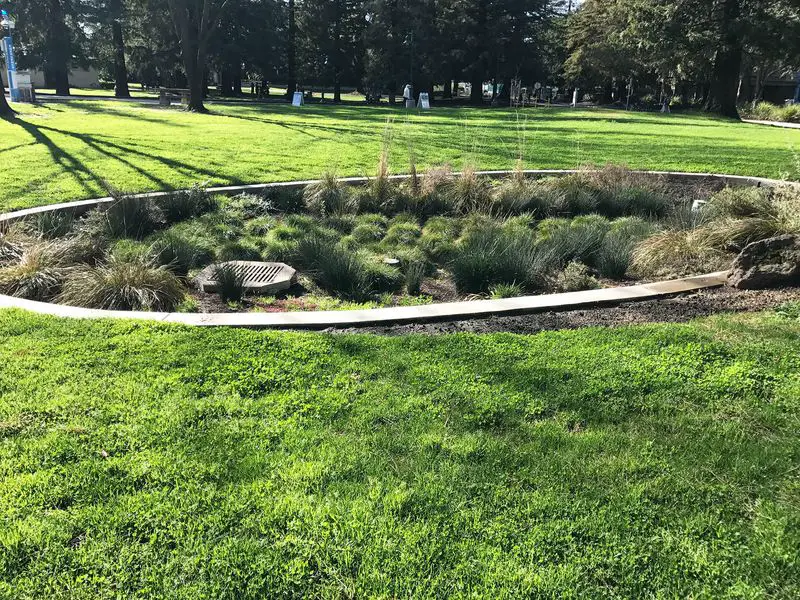
Shallow rain gardens collect stormwater and allow it to soak slowly into the soil. Moisture-loving grasses and plants help absorb excess water while adding greenery.
The lowered shape keeps runoff contained during storms. Native plants usually need less maintenance once established.
23. Retaining Wall With Drainage
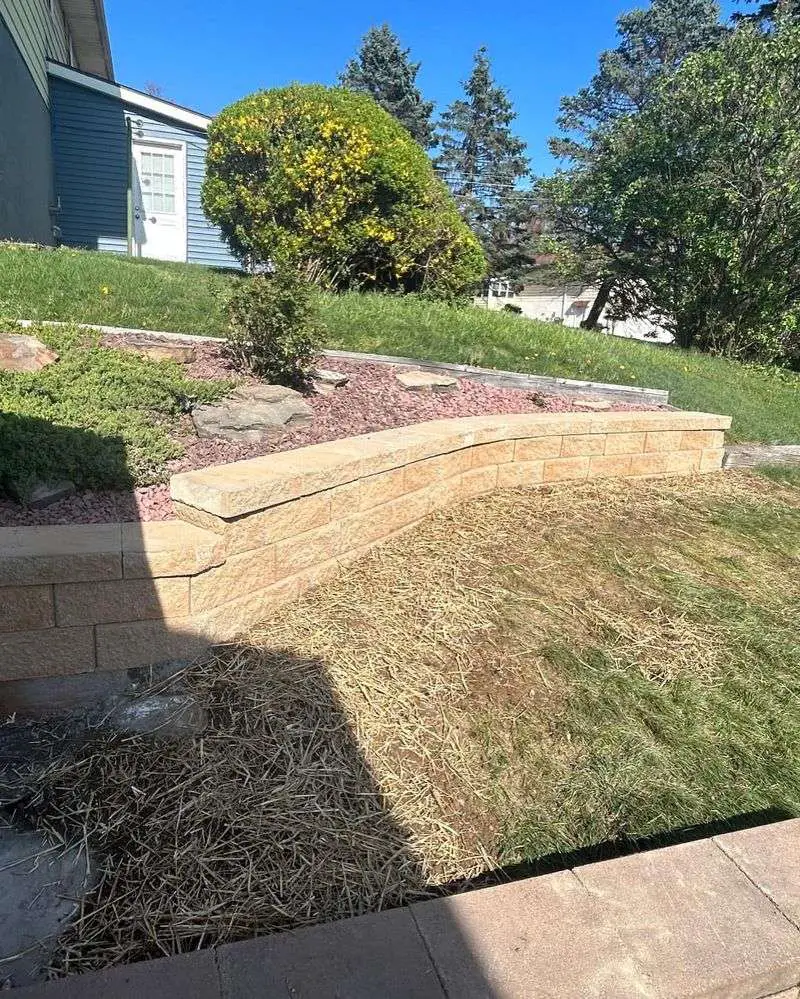
Retaining walls help hold back soil on sloped properties while improving water control. Proper grading behind the wall reduces pressure from trapped water.
Adding drainage behind the wall helps protect it over time. This approach also reduces erosion around the slope.
24. Smart Sprinkler Coverage
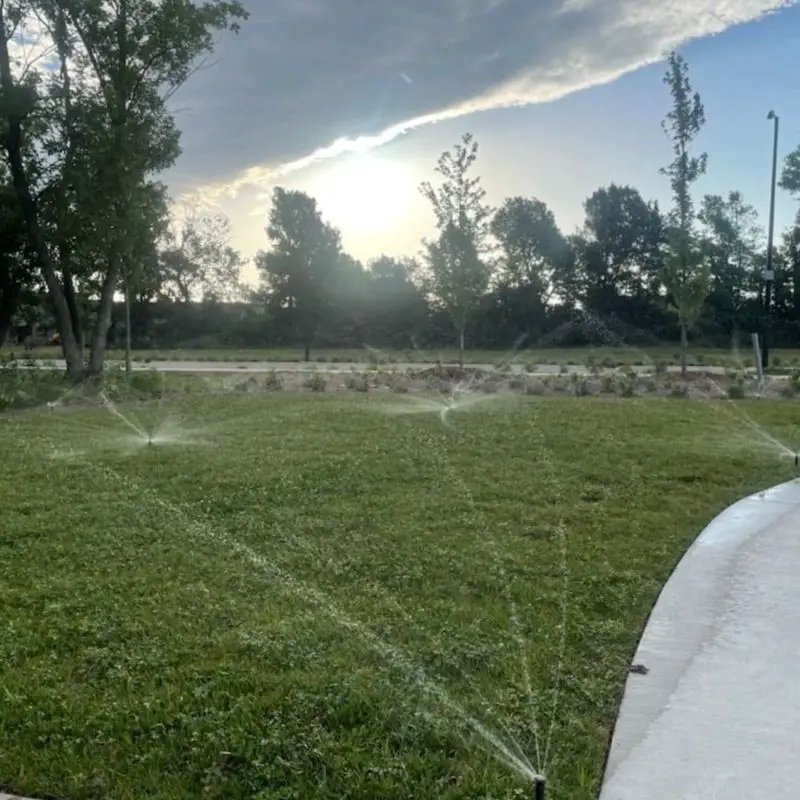
Proper sprinkler coverage keeps the lawn evenly watered without creating soggy spots. Well-spaced sprinkler heads help prevent water from collecting in one area.
Adjust the watering schedule after rainfall to avoid oversaturating the soil. Healthy grass absorbs water more effectively.
25. Sump Pump Discharge Extension
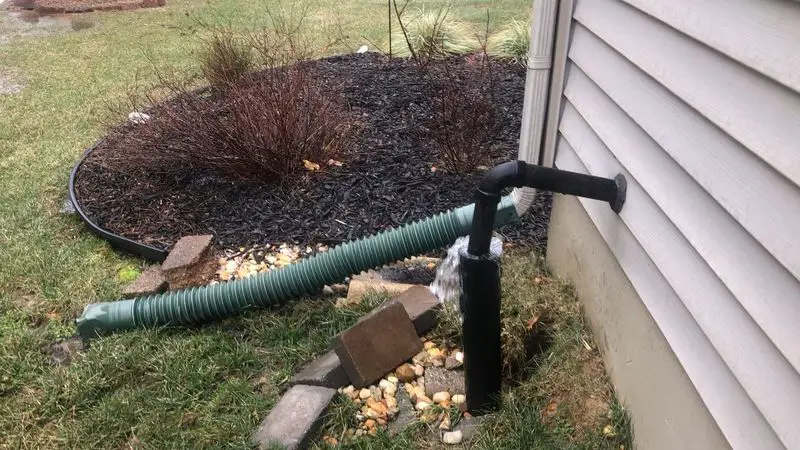
A sump pump discharge pipe moves collected groundwater away from the foundation. The extension helps prevent water from returning to the same area.
Direct the outlet toward lower ground where water can drain safely. Inspect the pipe regularly to make sure it stays clear.
Conclusion
Managing excess water does not always require one large project. In many cases, the right drainage solution depends on your yard’s layout, soil, and where water naturally collects.
From simple downspout extensions to French drains and rain gardens, each option offers a practical way to protect your lawn, landscaping, and foundation.
Use these 25 Yard Drainage Ideas as inspiration to find an approach that fits your outdoor space. If you found this guide helpful, share it with your friends and family so they can improve their yards too.