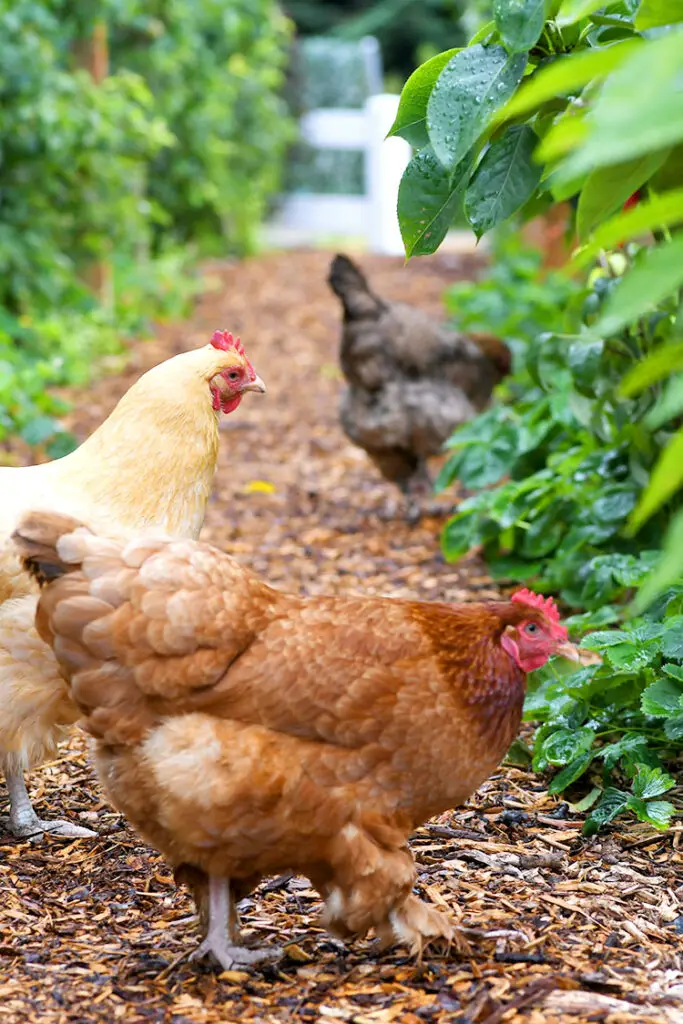

Plants for chicken run areas can turn a plain enclosure into a greener, more interesting space for your flock.
Chicken runs can quickly become bare and muddy…
… but the right plants can add shade, shelter, visual interest, and opportunities for chickens to explore!
That’s why choosing plants for chicken run spaces is worth considering when planning your coop area.
I love how sturdy shrubs, herbs, grasses, and chicken-safe plants can soften the enclosure while creating a more natural environment.
Whether you’re improving an existing run or designing a new chicken area, these planting ideas offer plenty of inspiration for creating a practical backyard setup.
They’re functional, attractive, and perfect for giving your chicken run a fresh, natural look. 🐔🌿
(🐓 Planning more upgrades for your flock? Explore our Chicken Coop With Wheels Ideas, How to Build a Chicken Coop on Wheels, Nesting Boxes for Chickens, and Pallet Chicken Coop Ideas for more practical backyard chicken inspiration.)
Save this article for later! 👇👇👇

What to Look for in Plants for Your Chicken Run
Not every garden plant is a good match for a busy chicken run. I like to focus on plants that offer a mix of durability, safety, and practical benefits for the flock.
Chicken-Safe: Safety comes first. Choose non-toxic plants that are suitable for areas where chickens may peck at leaves, flowers, seeds, or fallen fruit.
Tough and Resilient: Chickens scratch and trample constantly. Look for hardy plants that can recover from light grazing and occasional foot traffic.
Fast Growing: Quick-growing plants have a better chance of recovering after chickens nibble the foliage. Clover, grasses, and many forage plants work particularly well.
Strong Root Systems: Plants with established or deep roots are harder for chickens to completely scratch out of the ground.
Useful for Foraging: Edible leaves, seeds, flowers, or fruits give chickens something interesting to explore while encouraging natural foraging behavior.
Good Ground Coverage: Spreading plants can help cover exposed soil, reduce dust, and limit erosion around the run.
Suitable for Your Climate: Pick plants that naturally perform well in your local temperatures, rainfall, sunlight, and soil conditions.
Provides Shade or Shelter: Taller grasses, shrubs, and climbing vines can create cooler areas and extra cover, making the chicken run more comfortable during warm weather.
My rule of thumb: If a plant is safe, hardy, quick to recover, and useful to the flock, it has a much better chance of earning a permanent spot in the chicken run.
Ground Cover Plants
These low-growing plants help cover bare soil, reduce dust, and give chickens something fresh to peck at. Let them establish before giving your flock full access.
- Clover: Chickens love nibbling on clover, and it handles light grazing well. It also helps improve the soil by fixing nitrogen.
- Creeping Thyme: This hardy herb creates a fragrant ground cover and can tolerate occasional foot traffic once established.
- White Clover: A durable option for chicken runs that provides tender greens while helping keep exposed soil covered.
- Chickweed: Chickens naturally enjoy chickweed, and it can spread quickly in cool, moist areas of the run.
- Dandelions: These tough plants provide edible leaves and flowers. They also grow back surprisingly well after occasional grazing.
- Plantain: Broadleaf plantain is resilient and produces nutritious greens that many chickens happily peck at.
- Alfalfa: Packed with nutritious foliage, alfalfa can provide chickens with fresh greens while helping improve the soil.
- Creeping Jenny: This fast-spreading ground cover works well around protected edges where chickens cannot completely scratch it up.
Herbs for a Chicken Run
Herbs are some of my favorite plants to add around a chicken run. They smell great, attract beneficial insects, and many can be grown where chickens can occasionally nibble them.
- Oregano: A hardy herb that grows well around chicken areas and provides fragrant leaves for curious hens.
- Mint: Mint grows quickly and smells fresh, making it useful around the edges of a chicken run. Keep it contained because it spreads aggressively.
- Lemon Balm: Chickens may nibble the soft leaves, while the fresh lemon scent makes it a lovely addition near the coop.
- Rosemary: This woody herb is tougher than many tender plants and works especially well along protected borders.
- Sage: Sage handles warm, dry conditions well and gives your chicken run another aromatic plant to explore.
- Parsley: Fresh parsley can be grown in protected planters and offered to chickens as an occasional green treat.
- Basil: Chickens often enjoy pecking at basil leaves. Grow several plants behind fencing so they can reach the leaves without destroying the roots.
- Lavender: Lavender adds fragrance and beautiful flowers around the chicken run while attracting plenty of pollinators.
Grasses and Forage Plants
Forage plants give chickens something natural to scratch, peck, and graze on. Growing them behind temporary fencing is one of the easiest ways to keep them alive longer.
- Perennial Ryegrass: Fast-growing ryegrass provides fresh greenery and can recover from moderate grazing when given occasional rest.
- Fescue: This durable grass forms a strong root system and can help reduce muddy or dusty patches.
- Orchard Grass: Orchard grass produces soft green blades that chickens can nibble throughout the growing season.
- Wheatgrass: Chickens usually love fresh wheatgrass. Grow trays or protected patches and let the flock trim the tops.
- Oats: Young oat shoots make excellent forage and are easy to grow in small sections of the chicken run.
- Barley: Barley sprouts quickly and creates tender greens that can be grown in grazing frames for chickens.
- Millet: Millet provides leafy growth along with seed heads that chickens may enjoy later in the season.
- Buckwheat: This quick-growing plant provides greenery, attracts beneficial insects, and can help cover unused soil.
Shrubs and Taller Plants
Taller plants can make a chicken run feel more natural while creating shade, shelter, and places for chickens to explore. Protect young roots and stems until the plants are established.
- Mulberry: Mulberry trees provide valuable summer shade, and fallen ripe berries can become a tasty seasonal treat for chickens.
- Elderberry: This attractive shrub can create shade around the run. Keep chickens focused on the ripe fruit rather than other parts of the plant.
- Rose Bushes: Established roses can provide shade and cover while adding beautiful flowers around the chicken enclosure.
- Hibiscus: Hibiscus adds tropical-looking foliage and colorful blooms. Chickens may also enjoy pecking at fallen petals.
- Blueberry Bushes: Blueberry bushes can provide shade and seasonal fruit, although protecting the plants from aggressive scratching is important.
- Raspberry Bushes: Plant raspberries along the outside edge of the run so chickens can enjoy occasional berries without damaging the roots.
- Currant Bushes: Currants create leafy cover and produce small fruits that can add variety to the chicken run.
- Grape Vines: Train grape vines over fencing, pergolas, or the roof of the run to create natural summer shade and occasional fruit.
Quick tip: Chickens are enthusiastic gardeners, which usually means newly planted greenery does not stand much of a chance! Protect young plants with wire cages, grazing frames, raised beds, or temporary fencing until their roots are strong enough to handle scratching and pecking.
Leafy Greens and Edible Plants
These plants give chickens fresh greens to peck at while adding more variety to the run. Growing them behind wire or inside grazing frames helps them last much longer.
- Kale: One of the easiest leafy greens to grow around chickens. Mature plants can handle repeated harvesting better than delicate greens.
- Swiss Chard: Large, colorful leaves make this a productive option for giving chickens occasional fresh greens.
- Collard Greens: Tough leaves and sturdy stems make collards a better choice than many softer garden vegetables.
- Mustard Greens: These fast-growing greens are easy to establish and can provide fresh foliage during cooler weather.
- Turnip Greens: Chickens can enjoy the leafy tops while the roots remain protected below the soil.
- Beet Greens: Grow beets in protected areas and let chickens occasionally nibble the nutritious leafy tops.
- Lettuce: Chickens love tender lettuce leaves. Plant it in grazing boxes so they cannot scratch up the roots.
- Spinach: Spinach grows well during cooler months and can be offered as part of a varied forage area.
Chicken-Friendly Forage Plants
Forage plants are perfect for making the chicken run more interesting. Many grow quickly enough to provide repeated greenery when protected from constant scratching.
- Field Peas: These leafy legumes grow quickly and can provide tender shoots for chickens to nibble.
- Cowpeas: A heat-tolerant forage plant that works especially well in warm climates.
- Red Clover: Red clover produces nutritious foliage and attractive flowers while helping improve soil fertility.
- Crimson Clover: This colorful clover works well as seasonal forage and also attracts pollinators.
- Vetch: Vetch can create dense green growth and works well in mixed forage plots.
- Sunflower: Chickens can enjoy leaves, petals, and mature seeds. Tall plants can also provide some summer shade.
- Sorghum: This tall-growing plant can create shade and produce seed heads for additional enrichment.
- Amaranth: Amaranth grows tall, produces edible leaves, and develops seed heads that chickens may enjoy.
Flowers for a Chicken Run
Flowers can brighten up the enclosure while adding natural forage and attracting beneficial insects. Plant them around protected borders for the best results.
- Nasturtium: Both the leaves and flowers are edible, making this colorful plant a great addition around a chicken run.
- Calendula: These cheerful flowers are easy to grow and can provide edible petals for your flock.
- Marigolds: Bright blooms add color around the enclosure, and chickens may occasionally peck at the petals.
- Sunflowers: Besides looking beautiful, sunflowers produce seed-filled heads that can become natural chicken treats.
- Roses: Established rose bushes provide shelter and fallen petals while making the chicken area look more attractive.
- Zinnias: These colorful annuals attract pollinators and work beautifully around the outside edge of a chicken run.
- Bee Balm: Bee balm produces fragrant foliage and flowers while attracting bees and butterflies.
- Echinacea: Also known as coneflower, this sturdy perennial adds long-lasting flowers around the chicken area.
Vines and Climbing Plants
Vines are especially useful because you can grow them along fencing or over the top of a run. They can create natural shade without taking up much floor space.
- Grapes: Train grape vines over the chicken run to provide summer shade and occasional fallen fruit.
- Cucumbers: Let cucumber vines climb along outside fencing so chickens can enjoy occasional leaves or overripe fruit.
- Pumpkins: Pumpkin vines spread quickly and can provide shade around the edges of a large chicken enclosure.
- Winter Squash: These vigorous vines can cover bare areas while producing vegetables you can share with the flock.
- Peas: Pea vines grow quickly during cool weather and provide tender shoots and pods.
- Pole Beans: Grow climbing beans outside the run where chickens can reach some foliage without destroying the entire plant.
- Hops: This vigorous perennial vine can quickly cover fencing or overhead structures and provide excellent summer shade.
- Passionflower: A climbing vine with eye-catching flowers that can create dense seasonal shade when grown along the outside of the run.
Tips for Growing Plants in a Chicken Run
Growing plants inside a chicken run takes a little planning. Chickens love scratching, digging, and pecking, so even tough plants may need protection while getting established.
- Protect New Plants: Use wire cages, small fences, or plant guards around young plants until they develop strong roots.
- Use Grazing Frames: Cover ground-level plants with a wooden frame and wire mesh. Chickens can eat the leaves without digging up the roots.
- Plant Around the Edges: Herbs, shrubs, and vines often survive better along the perimeter where chickens spend less time scratching.
- Choose Hardy Plants: Clover, oregano, thyme, mint, grasses, and established shrubs usually handle chicken activity better than delicate plants.
- Grow Several Varieties: Mixing grasses, herbs, flowers, and forage plants gives your chickens more variety and keeps the run interesting.
- Rotate Grazing Areas: Divide a large run into sections and give plants time to recover between grazing periods.
- Use Raised Planters: Raised beds and containers are perfect for herbs and leafy greens that chickens might otherwise destroy.
- Create Natural Shade: Grow grape vines, sunflowers, shrubs, or other taller plants around the run to provide shade during hot weather.
- Water Protected Areas: Chickens can quickly turn wet soil into mud. Place watering points where birds cannot constantly scratch around plant roots.
- Let Plants Establish First: Give new plants several weeks to develop before allowing chickens unrestricted access.
Common Mistakes to Avoid
Even chicken-friendly plants can struggle if the run is not planned properly. Avoiding these common mistakes can save you from repeatedly replacing plants.
- Planting Directly Into a Busy Run: Chickens may dig up seedlings within hours. Establish plants first or protect them with fencing.
- Choosing Toxic Plants: Never assume a common garden plant is safe. Check that every plant is suitable around chickens before adding it to the run.
- Leaving Roots Exposed: Chickens naturally scratch around roots looking for insects. Use stones, wire guards, or barriers to protect vulnerable root zones.
- Overcrowding the Run: Too many chickens in a small area can destroy almost any living ground cover.
- Using Only One Plant: A single type of grass or ground cover can quickly disappear. Mixing several hardy species gives the run a better chance of staying green.
- Ignoring Sunlight: Some plants need full sun, while others perform better in partial shade. Match each plant to the conditions inside your run.
- Forgetting About Drainage: Poor drainage creates muddy areas where plants struggle to survive. Improve drainage before planting problem spots.
- Allowing Constant Grazing: Even tough plants need recovery time. Temporary fencing can give heavily grazed areas a chance to regrow.
- Planting Invasive Species Carelessly: Plants like mint can spread beyond the chicken run. Containers or root barriers can help keep aggressive growers under control.
- Expecting a Perfect Lawn: Chickens scratch by nature. Instead of trying to maintain flawless grass, focus on hardy forage patches, protected planting zones, and plants around the perimeter.
Quick tip: The easiest way to keep a chicken run green is to grow plants where chickens can reach the leaves but not the roots. Grazing frames, wire cages, raised beds, and perimeter planting can make a huge difference.
FAQ
What plants are good for a chicken run?
Chicken-safe herbs, sturdy shrubs, grasses, and other non-toxic plants can work well. Rosemary, thyme, sage, mint, lavender, and some ornamental grasses are popular choices, depending on your climate and growing conditions.
How do I stop chickens from destroying plants in their run?
Protect young plants with wire cages, rocks, raised planters, or barriers until they’re established. Choosing larger, sturdy plants can also help them withstand scratching and pecking.
Can I grow herbs inside a chicken run?
Yes. Chicken-safe herbs can add greenery and fragrance to the area. Raised containers or protected planting zones can help prevent chickens from digging up the roots.
What plants can provide shade for chickens?
Established shrubs, small trees, vines grown safely over sturdy structures, and tall grasses can provide varying amounts of shade. Make sure anything planted in or around the run is non-toxic to chickens.
What plants should I avoid around chickens?
Avoid plants known to be toxic to poultry. Because toxicity can vary by plant species and plant part, check a reliable veterinary or agricultural source before introducing unfamiliar plants to an area chickens can access.
Conclusion
Plants for chicken run spaces can make your flock’s enclosure feel greener and more inviting while providing useful features such as shade, shelter, and natural areas to explore. The key is choosing chicken-safe varieties that can handle scratching, pecking, and everyday activity.
Use protective cages or raised planting areas while new plants become established, and combine different herbs, grasses, and sturdy shrubs to create a more layered environment.
For more backyard chicken inspiration, explore our Chicken Coop With Wheels Ideas, How to Build a Chicken Coop on Wheels, Nesting Boxes for Chickens, and Pallet Chicken Coop Ideas